African Kalahari
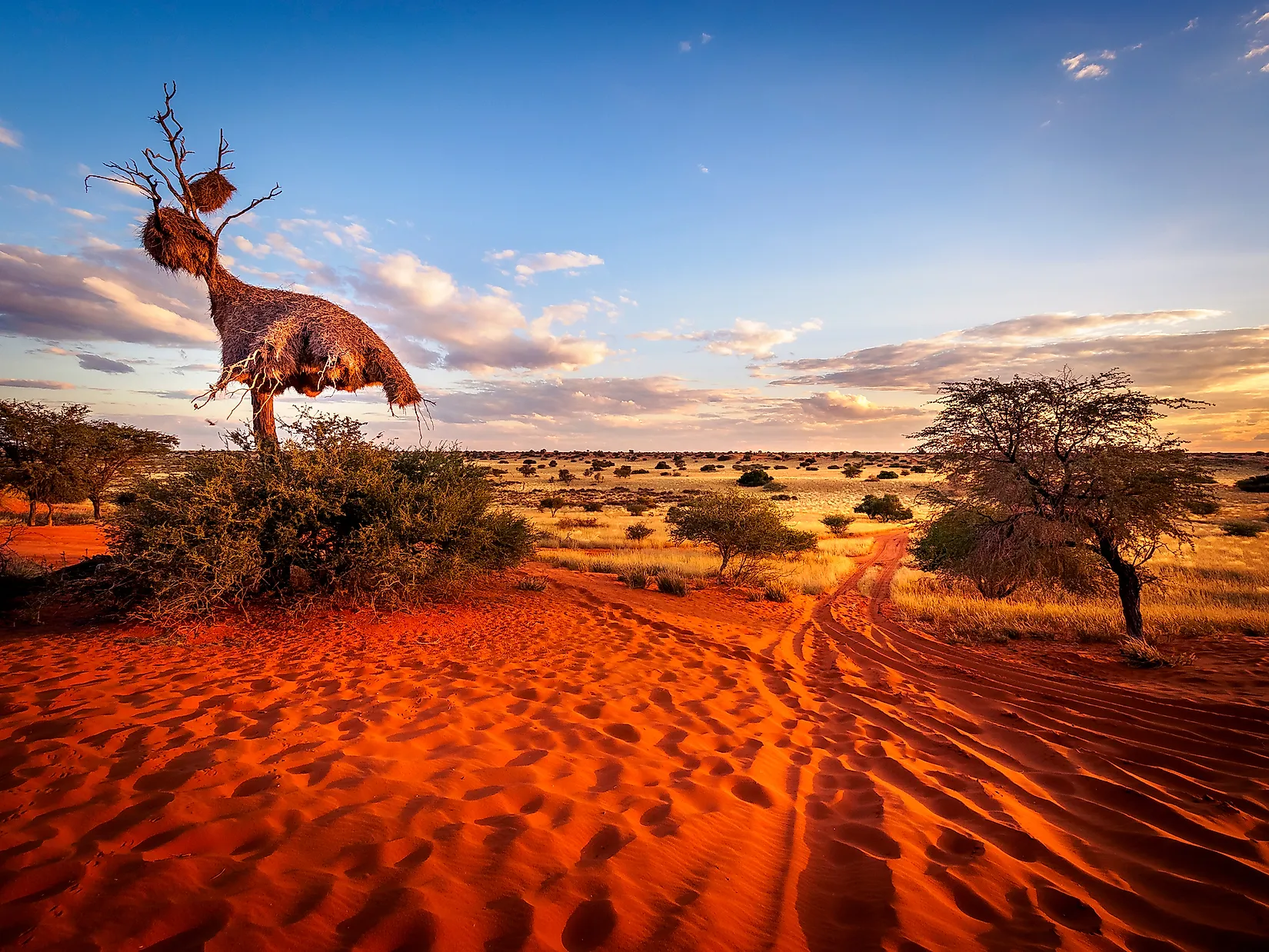
The African Kalahari is a vast and fascinating semi-arid wilderness that captures the imagination with its sweeping dunes, resilient wildlife, and ancient cultures.
Understanding the Kalahari Landscape
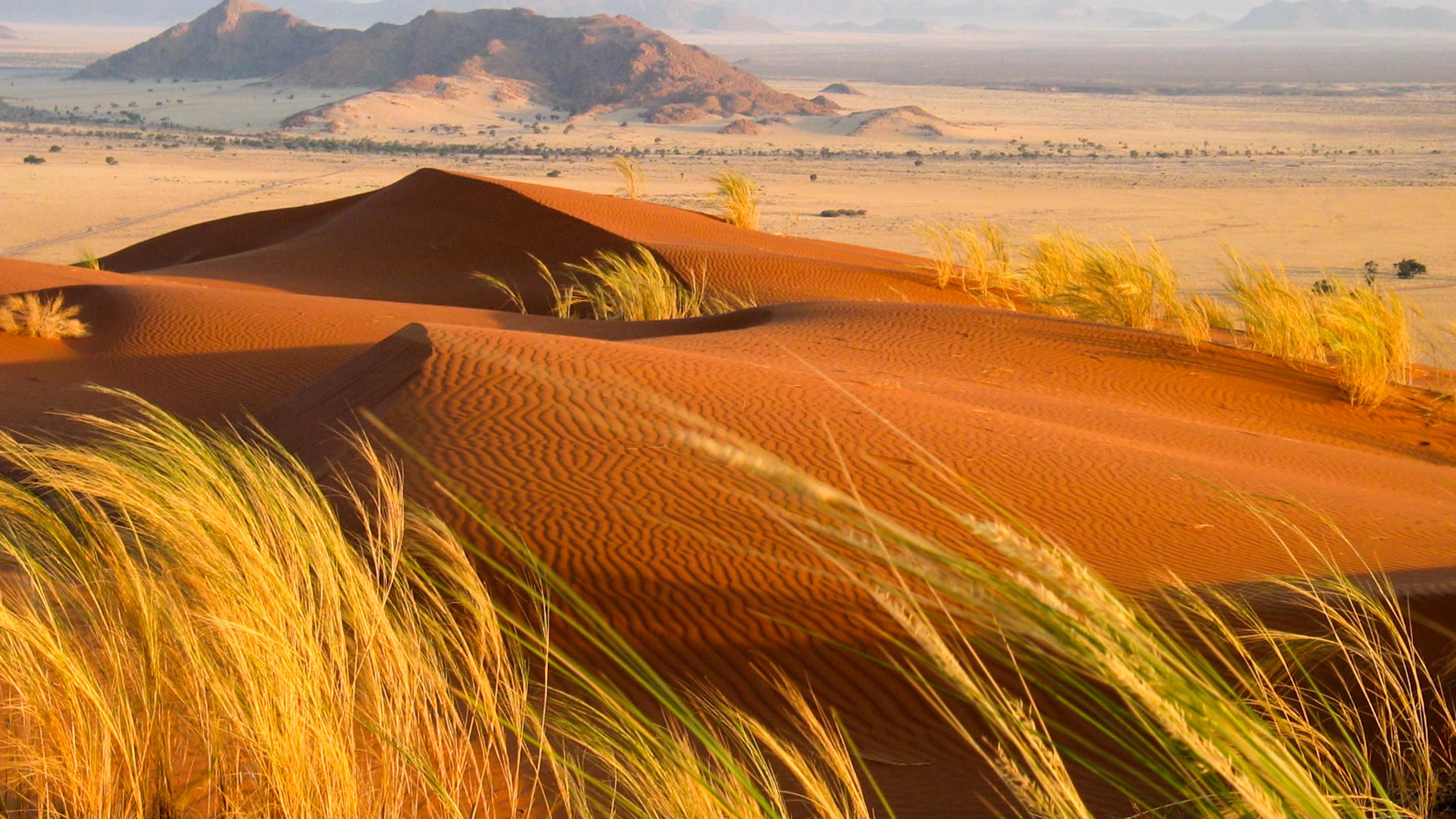
The African Kalahari spans multiple countries, covering parts of Botswana, Namibia, and South Africa in a mosaic of plains, salt pans, and scattered trees. Unlike a true desert, it receives enough seasonal rainfall to support grasses, shrubs, and iconic species such as giraffe, lion, and the endangered black rhino. The landscape is dominated by red sand dunes, dry riverbeds called omuramba, and hardy vegetation that has adapted to long, hot summers and cool winters. This delicate balance of sand, soil, and survival makes the region a living laboratory for ecological adaptation.
Geologically, the basin sits on ancient rock formations, some of the oldest on Earth, which shape the soil and influence water flow across the terrain. Rainfall is unpredictable, often arriving in short, intense bursts that quickly drain into the sands or collect in seasonal pans. During these brief wet periods, the African Kalahari bursts into life, with wildflowers carpeting the ground and dormant seeds springing up overnight. The interplay between scarcity and sudden abundance defines the rhythm of life here, affecting both human communities and wildlife migrations.
Wildlife and Biodiversity
The African Kalahari hosts a remarkable array of animals that have evolved ingenious strategies to cope with heat and limited water. Large predators like the African wild dog and cheetah rely on endurance hunting across open plains, while smaller creatures such as the meerkat live in complex social groups to protect their young. Nocturnal species, including owls, bats, and aardvarks, become active after sunset to avoid the daytime heat and conserve precious energy. The fragile ecosystem depends on each species, from dung beetles that recycle nutrients to termites that aerate the soil.
- Herbivores such as springbok, gemsbok, and giraffe feed on drought-resistant shrubs and grasses.
- Birds like the lilac-breasted roller and secretary bird add color and drama to the open skies.
- Reptiles, including snakes and lizards, play a vital role in controlling insect and rodent populations.
Conservation efforts in designated reserves and community areas help protect these species, ensuring that the African Kalahari remains a sanctuary for biodiversity rather than a fragmented landscape. Anti-poaching patrols, habitat restoration, and sustainable tourism practices all contribute to the long-term survival of this unique environment.
Indigenous Peoples and Cultural Heritage
For thousands of years, the African Kalahari has been home to Indigenous groups, most notably the San people, who have developed a deep understanding of the land, plants, and animals. Their traditional knowledge includes identifying edible roots, tracking animals, and using natural resources for medicine and shelter. Rock art sites scattered across the region offer glimpses into ancient spiritual practices and daily life, connecting modern visitors with the stories of those who lived here long before contemporary borders were drawn.

Today, many San communities face challenges as their ancestral lands are affected by agriculture, mining, and conservation policies. Efforts to recognize Indigenous rights and involve local people in managing the African Kalahari have led to community-based initiatives that combine traditional wisdom with modern conservation. By supporting these programs, travelers and conservationists alike help preserve not only the wildlife but also the rich cultural tapestry of the region.
Climate and Seasonal Patterns
The climate of the African Kalahari is characterized by hot summers and mild winters, with most of the limited rainfall occurring during the summer months. Daytime temperatures can soar above 40°C, while nights may drop close to freezing in the winter, creating extreme temperature swings. These conditions require both animals and plants to adapt through behaviors such as burrowing, estivation, or storing water in thick stems and roots.
- The wet season, typically from November to March, transforms the landscape with temporary greenery and abundant waterholes.
- The dry season, from May to September, concentrates wildlife around reliable water sources, making it an excellent time for observation.
- Spring and autumn serve as transitional periods with moderate temperatures and blooming vegetation.
Understanding these patterns is essential for planning visits, supporting local guides, and respecting the fragile balance of the ecosystem. Climate change is already altering rainfall and temperature trends, adding urgency to conservation and sustainable development efforts in the African Kalahari.
Responsible Tourism and Conservation
Travelers drawn to the African Kalahari have a unique opportunity to engage with the region in ways that benefit both people and nature. Choosing lodges and tours that prioritize low-impact practices, support local communities, and contribute to conservation projects ensures that visits help rather than harm. Simple actions such as staying on designated paths, minimizing water use, and respecting wildlife distances can significantly reduce the footprint of tourism.
Community-based tourism initiatives allow visitors to learn about San culture, participate in traditional activities, and directly support local livelihoods. By combining education, conservation funding, and respectful engagement, the African Kalahari can continue to inspire future generations while safeguarding its extraordinary natural and cultural heritage.
In the end, the African Kalahari reminds us of the resilience of life in even the harshest environments, offering lessons in adaptation, cooperation, and stewardship that resonate far beyond its sandy horizons.

South Africa's breathtaking flora and fauna: from the Kalahari Desert to the Karoo Rockies
The second episode shows how, in South Africa, from Kalahari Desert to Namaqualand, the dry zones are transformed into fields ...
