Cable Connector

Understanding the cable connector is essential for building reliable networks, whether you are wiring a home office or managing a large data center.
What Is a Cable Connector and Why It Matters
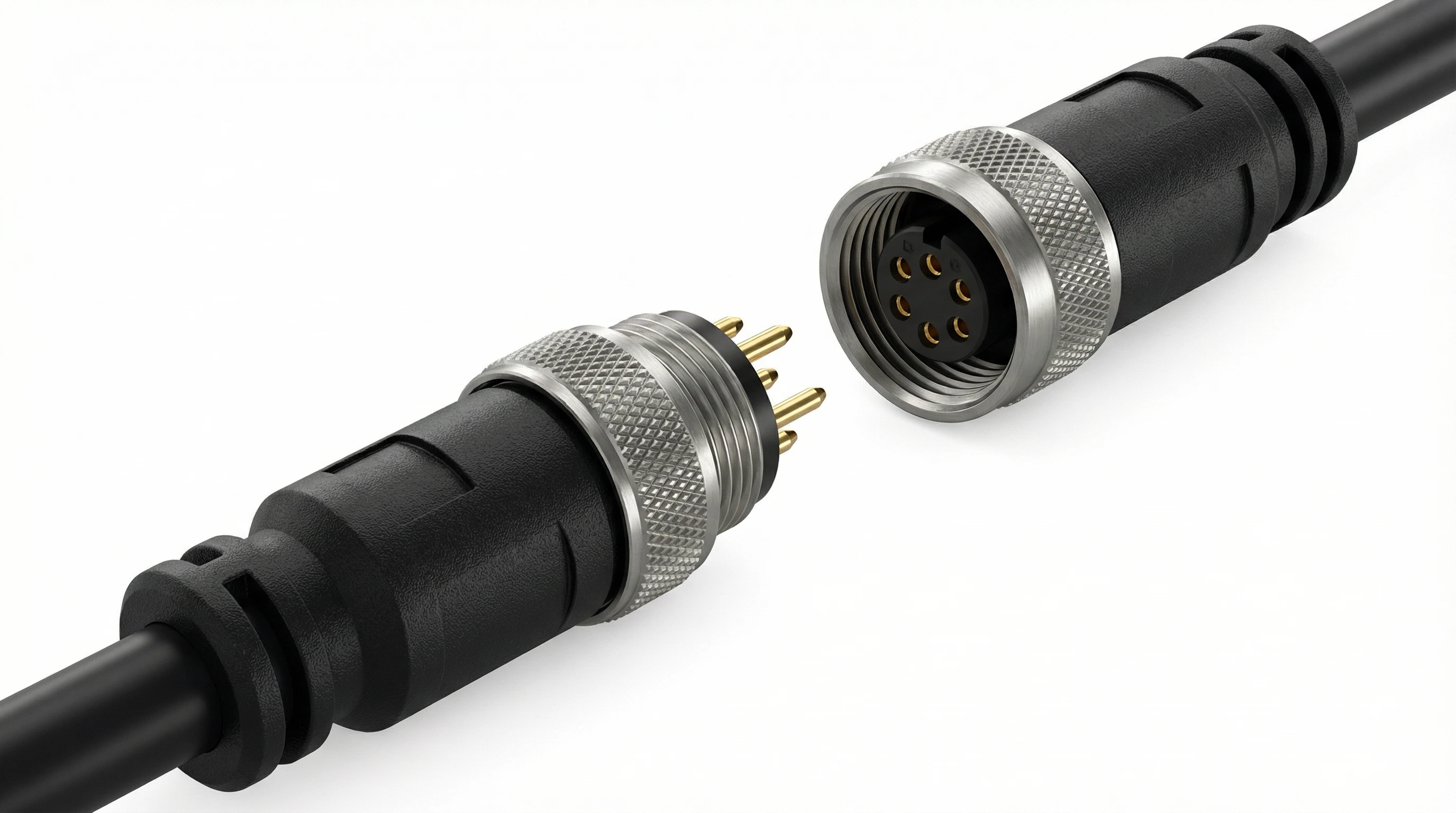
A cable connector is the interface that joins cables to devices, allowing power or data to flow smoothly and securely. These components come in many shapes and sizes, from compact modular plugs to rugged industrial shells designed for harsh environments. Choosing the right type directly affects signal integrity, connection durability, and overall system performance.
Because they sit at the point of physical contact, cable connectors are vulnerable to wear, contamination, and improper mating. A poorly seated plug can cause intermittent faults, increased latency, or complete service interruption. Investing in high quality connectors and following best practices for installation pays off in fewer troubleshooting sessions and more stable operation.
Common Types of Connectors in Networking and AV
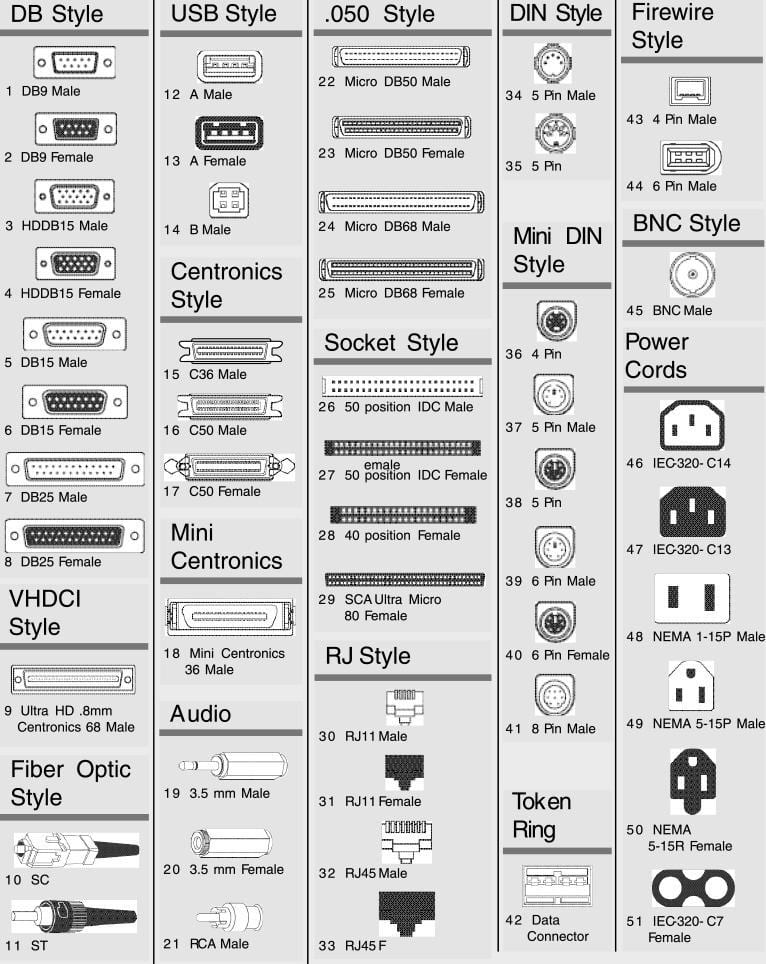
In local area networks, you will often encounter modular connectors such as RJ45 for Ethernet and smaller variants for telephone lines. These plugs lock into place with a clip, providing a secure connection for twisted pair cabling that supports everything from basic voice to gigabit data. For fiber optics, SC, LC, and ST connectors offer low loss transitions between cables and transceivers.
Audio visual setups rely on a different family of cable connector designs, including XLR for balanced microphone lines, RCA for consumer level analog audio and video, and BNC for coaxial video and test equipment. HDMI and DisplayPort connectors carry high bandwidth digital video and audio in a single assembly, simplifying home theater and professional display installations.
Key Design Features That Define Performance
Contact material, insulation geometry, and locking mechanism all determine how well a cable connector performs under real world conditions. Gold plated contacts resist corrosion and maintain low resistance, while robust locking features prevent accidental disconnection during movement or vibration. The strain relief area protects the cable jacket from stress, reducing the risk of intermittent shorts or open circuits.

Shielding is another critical factor, especially in environments with high electromagnetic interference. Many connectors incorporate metal shells or additional layers of foil and braid to keep noise out of sensitive signals. When evaluating options, look for specifications that clarify insertion loss, return loss, and compatibility with your cable type.
How to Choose the Right Connector for Your Application
Start by identifying the cable type, impedance, and bandwidth requirements of your setup, then match them to a connector that meets those electrical and mechanical criteria. Consider the operating environment, including temperature range, exposure to moisture, and potential for physical impact, since these factors influence housing material and sealing design.
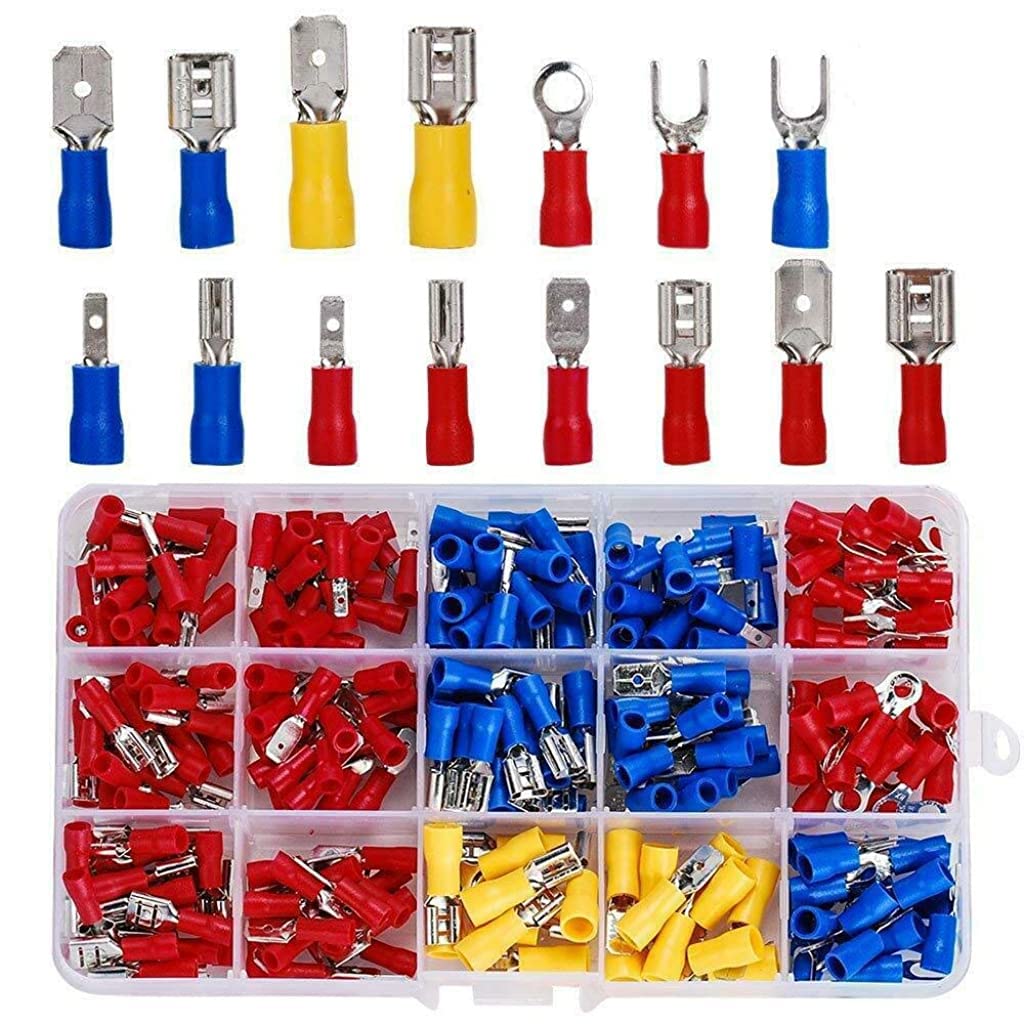
Installation style also matters, as some connectors are designed for field termination with screw terminals or crimp slots, while others are pre terminated for quick plug and play use. Balance initial cost against long term reliability, because a connector that fails frequently can increase downtime and maintenance expenses far beyond its purchase price.
Best Practices for Installation and Maintenance
Proper handling is the first step in preserving connector quality, so avoid pulling on the cable itself when disconnecting and use strain reliefs or cable glands to absorb tugging forces. Before mating, inspect contacts for dirt, oxidation, or physical damage, and clean them with appropriate tools if necessary.
- Use the correct tools for crimping, termination, and locking to avoid damaging the connector body or cable.
- Follow the manufacturer’s pinout and wiring diagrams precisely to prevent miswiring that can degrade performance or create safety hazards.
- Label cables and document connection details to simplify future changes and reduce downtime during troubleshooting.
Periodic inspection and testing help catch issues before they lead to larger failures, especially in mission critical installations where downtime is costly. Simple checks for continuity, shielding integrity, and mechanical fit can extend the life of your cable infrastructure and keep performance predictable.
Future Trends in Cable Connector Technology
As data rates and power demands grow, connector developers are focusing on higher density designs that pack more contacts into smaller footprints without sacrificing reliability. Advanced locking systems, improved sealing methods, and new materials aim to support faster protocols and more challenging environments.
Sustainability is also shaping the next generation of cable connector, with manufacturers exploring recyclable materials, longer life cycles, and designs that minimize waste during installation. For end users, this evolution means more options for high performance connections that are easier to install, maintain, and eventually recycle responsibly.
Conclusion
Whether you are upgrading a home network, equipping a workshop, or deploying enterprise grade infrastructure, a solid grasp of the cable connector landscape helps you make smarter decisions. By matching connector type to application, following sound installation practices, and staying aware of emerging trends, you build a foundation for dependable, high quality connectivity over the long term.
USB Ports, Cables, Types, & Connectors
This is an animated video that describes the different kinds of USB (universal serial bus) ports, USB cables, and connectors.
