Computer Monitor Qhd
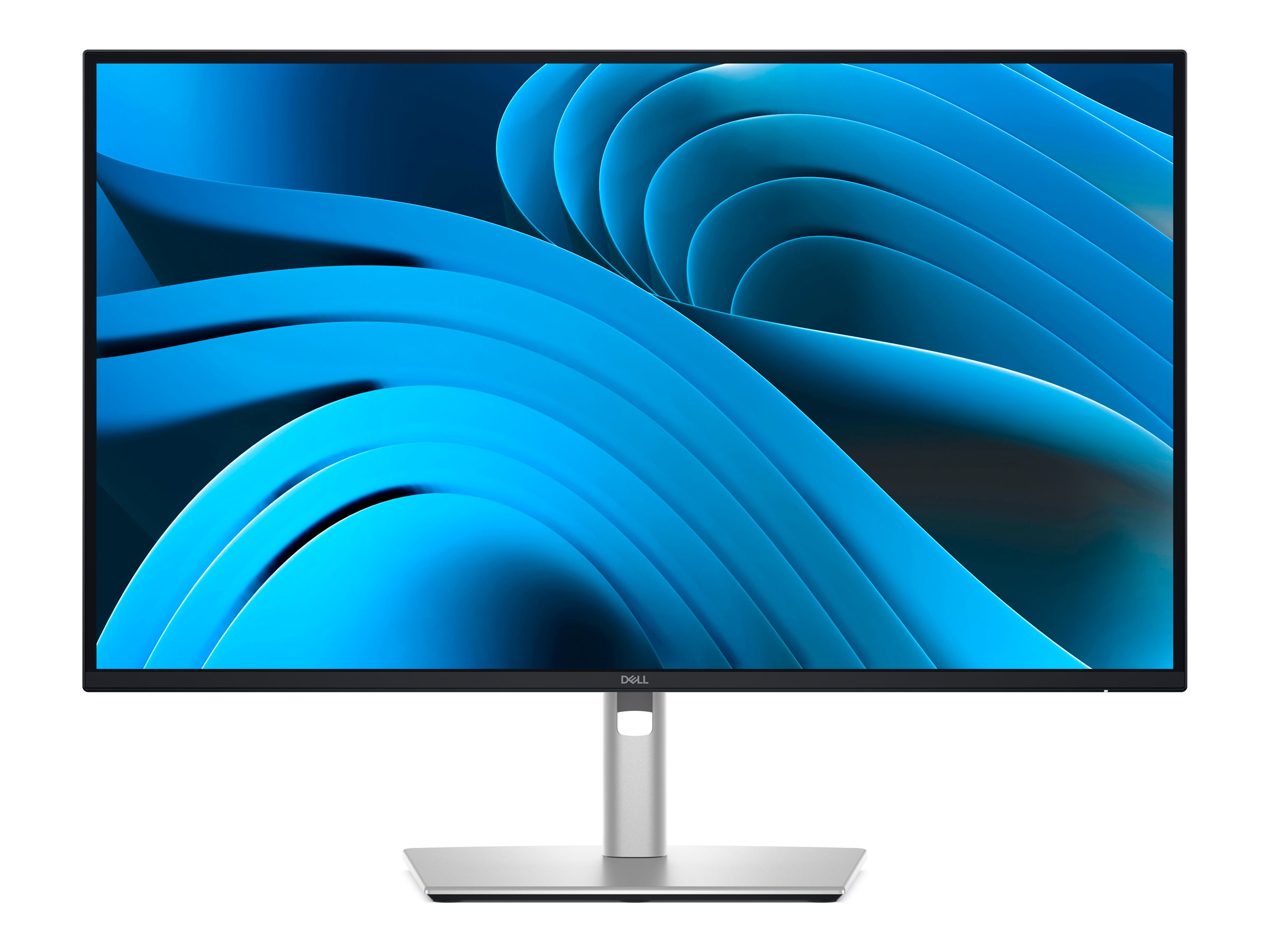
A computer monitor QHD delivers a sweet spot of resolution that balances crisp detail and practical performance for most users.
What is QHD and why it matters for monitors
QHD, or Quad High Definition, refers to a resolution of 2560x1440 pixels, and it sits between full HD and 4K on the clarity ladder. On a computer monitor, this resolution means noticeably sharper text, smoother gradients, and more screen real estate than 1080p without the bandwidth and hardware demands of 4K. If you care about image quality, productivity, and comfortable viewing, understanding QHD is a smart place to start.
When you compare 1080p, QHD, and 4K, QHD often hits the best balance for everyday computing. You gain enough pixels for clean, readable text and detailed visuals, while keeping demands on graphics cards and refresh rates more manageable than 4K. For office work, creative tasks, and even casual gaming, a computer monitor QHD can feel like the Goldilocks zone of resolution.
Key benefits of using a QHD monitor
One of the biggest advantages of a QHD display is the extra screen space that helps you comfortably fit more windows side by side. Instead of constantly resizing or switching between apps, you can keep email, documents, and design tools open at once, which boosts focus and efficiency. This makes a QHD monitor especially valuable for professionals who juggle many tools at once.

Visual clarity improves too, because 2560x1440 provides roughly 78 percent more pixels than 1080p, so icons, photos, and text look crisper and less pixelated. For photo editing, video color grading, or reading long documents, that extra detail reduces eye strain and helps you catch small nuances. A well-tuned QHD panel with good contrast and color accuracy can make a tangible difference in creative workflows.
Gaming also benefits from QHD when paired with a capable graphics card and high refresh rate. You get smoother frame pacing and more detailed environments than at 1080p, and many modern games use smart upscaling to approach 4K quality without a massive performance hit. For competitive play, you can often prioritize high refresh rates and adaptive sync while still enjoying sharper visuals than full HD.
Panel types and technologies to consider
Not all QHD screens feel the same, because panel technology shapes color, contrast, and viewing angles. IPS panels are popular for their balanced color reproduction and wide viewing angles, making them a safe choice for both work and entertainment. VA panels often deliver deeper blacks and higher contrast, which can be great for movies and darker game scenes, while TN panels are less common now but can offer faster response times for some gamers.
Beyond panel type, look for features that enhance comfort and image quality in a QHD monitor. HDR support can expand contrast and color, though the impact varies between budget and premium models. Adaptive sync technologies like FreeSync or G-SYNC help reduce tearing and stutter when your GPU and monitor are not perfectly matched. A high refresh rate, such as 144 Hz or 165 Hz, can make fast-moving content feel smoother, especially in competitive games.

Ergonomics and connectivity matter too, because you will spend long hours in front of the screen. A stand that supports height adjustment, tilt, and swivel can make a big difference in posture and comfort. Multiple USB ports, convenient video inputs, and good cable management options help keep your desk tidy and make it easier to plug in laptops, drives, and peripherals.
Choosing the right size and aspect ratio
Screen size plays a big role in how a QHD resolution feels in practice. A 27 inch QHD monitor is a common sweet spot, offering a pixel density that looks sharp without making text and icons too small. If you prefer a more spacious setup or sit very close to the screen, a 32 inch model can be immersive, though you might notice some individual pixels if you lean in too close.
Most QHD monitors use a 16:9 aspect ratio, which matches standard video, games, and most productivity tasks. Ultrawide QHD variants with a 21:9 ratio are available for those who want extra horizontal space for spreadsheets, coding, or cinematic gaming. When you compare sizes and shapes, think about how you use your computer and how much desk space you have.
Consider your desk setup and viewing distance when planning your workspace. A larger QHD monitor at a comfortable distance can reduce the need to squint, while a smaller screen at a closer range might feel just as detailed without taking up too much room. Matching the size and shape to your habits ensures you get the most out of that 2560x1440 resolution.

Productivity and creative advantages
For office work, a QHD monitor gives you more room for toolbars, panels, and reference materials without constant zooming or scrolling. Spreadsheets with many columns, code editors with side panels, and long documents all benefit from the extra horizontal space. When you can see more of your work at once, you spend less time switching contexts and more time doing meaningful tasks.
Creative professionals often appreciate QHD for design, illustration, and video editing, where detail matters and color accuracy is important. The higher pixel count helps with precise selections, clean typography, and fine adjustments that might be lost on lower resolutions. With good calibration, a QHD display can serve as a reliable reference for color-critical work, especially when paired with hardware calibration tools.
Even everyday users gain from the clarity of a well-adjusted QHD screen, from reading small text to browsing high density photo galleries. The combination of sharpness and screen real estate makes it easier to work longer with less fatigue, especially when the panel also has good brightness uniformity and anti glare coatings.
Gaming performance and compatibility
In gaming, a QHD monitor strikes a practical balance between detail and performance, offering more pixels than 1080p while demanding less from your GPU than native 4K. Many modern games look excellent at QHD, especially when paired with smart upscaling and high frame rates. If you enjoy both single story adventures and competitive shooters, this resolution can satisfy both visual quality and smooth gameplay.

To get the best experience, pair your computer monitor QHD with a graphics card that can maintain solid frame rates at this resolution, and enable adaptive sync if your monitor supports it. High refresh rate modes, when available, can make movement feel more responsive, and features like low latency mode can help keep input lag in check. Checking in-game settings for dynamic resolution, texture quality, and anti aliasing can help you dial in the right mix of looks and performance.
Remember that not all games scale perfectly to QHD, and some older titles might look better in full HD and then be upscaled by the monitor. Reading reviews and user comments about specific games can save you from surprises. Overall, QHD remains a great choice for gamers who want detailed visuals without sacrificing smooth frame rates.
Setting up and calibrating for best results
Getting the most from a computer monitor QHD often starts with correct scaling and text size settings on your operating system. Windows, macOS, and Linux usually handle high resolution well, but you may need to adjust the scale to make icons and menus comfortable to read. Proper scaling ensures that UI elements are crisp without feeling tiny or overly large.
Color calibration matters more if you work with photos, video, or design, and even a modest calibration can improve consistency across projects. Many monitors come with software tools or hardware calibration support to help you set accurate white point, brightness, and gamma. Taking a few minutes to tune these settings can reveal details you did not notice before.

Finally, fine tune your viewing environment by adjusting monitor height, distance, and ambient lighting to reduce glare and neck strain. A QHD screen shows its full potential when you can sit comfortably, see accurate colors, and enjoy sharp, stable images during long sessions. With the right setup, a QHD monitor becomes a versatile centerpiece that supports both work and play.
In short, a computer monitor QHD offers a practical and visually pleasing middle ground that suits a wide range of users, from office workers to gamers and creators.
Is Full HD enough at 27-inch? (1080P vs 1440P 27-inch gaming monitors)
monitors #actualconsumeradvise #Iknowright In this video, I try to answer: Is 1080P good enough for 27-inch gaming monitors?
