Ectopia Cervical
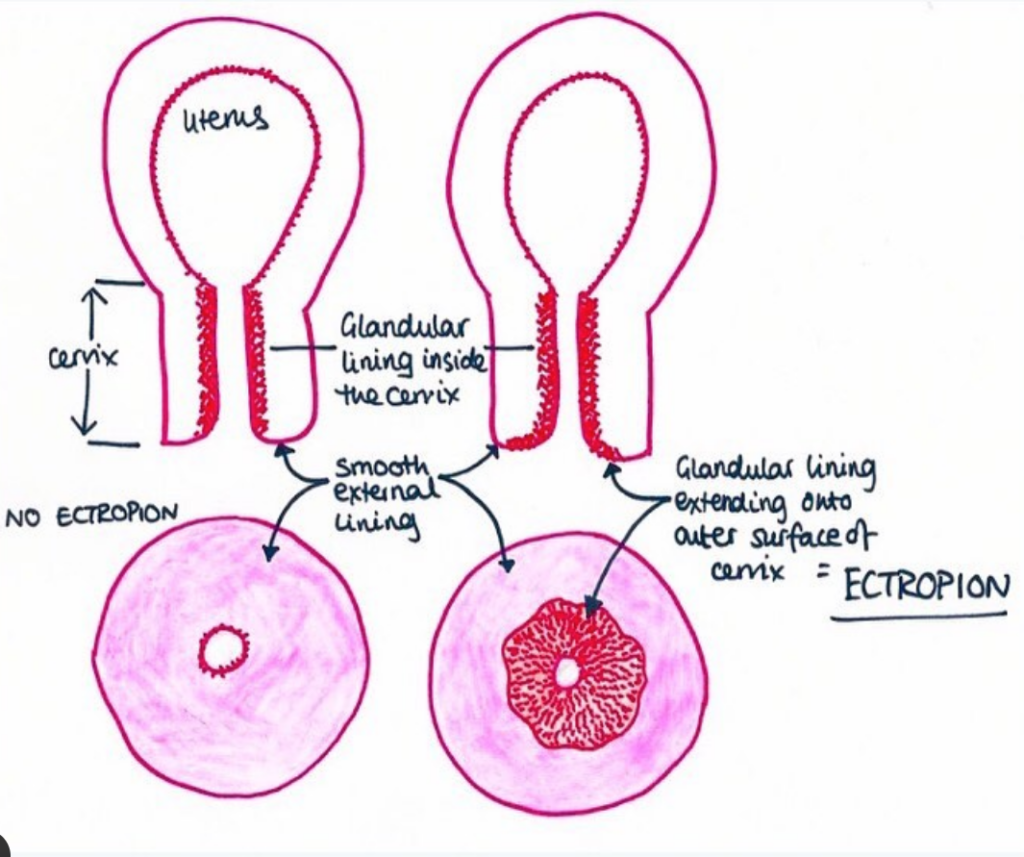
What Is Ectopia Cervical and How Does It Happen
Ectopia cervical, sometimes called cervical ectopy or ectropion, occurs when glandular cells from the inside of the uterus are present on the outer surface of the cervix. These cells are usually found in the endocervical canal, but in people with ectopia cervical, they extend onto the ectocervix, the part of the cervix that projects into the vagina. The condition is more common in people who are younger, taking hormonal contraception, or pregnant, because elevated levels of estrogen can encourage this cellular migration.
From a clinical perspective, ectopia cervical is considered a normal variation rather than a disease in most cases. The glandular cells on the cervix may look red and velvety during a speculum exam, which can be surprising at first glance. It is important to distinguish this benign ectopy from other conditions such as cervical polyps, infections, or precancerous changes, which is why a thorough examination by a healthcare professional is essential.
Common Symptoms and When to Seek Medical Advice
Many people with ectopia cervical do not experience any symptoms at all and may only notice it during a routine pelvic exam. When symptoms do occur, they can include light spotting after intercourse, increased vaginal discharge, or a sensation of heaviness in the pelvic area. Because these signs can overlap with other gynecological issues, such as infections or cervical lesions, medical evaluation is important to confirm the diagnosis.

If you experience persistent bleeding between periods, pain during sex, or unusually heavy bleeding, it is wise to consult a healthcare provider. While these symptoms are not always linked to ectopia cervical, they should be investigated to rule out other causes. Keeping track of your symptoms, menstrual cycle patterns, and any changes can help your clinician make an accurate assessment and recommend appropriate tests if needed.
Diagnosis and Tests Used to Confirm Ectopia Cervical
Diagnosis typically begins with a pelvic exam, during which a clinician uses a speculum to visualize the cervix. The characteristic appearance of glandular tissue on the ectocervix, often described as red and shiny, can suggest ectopia cervical. However, because the appearance alone is not enough to confirm the condition, further evaluation is usually recommended.
To ensure an accurate diagnosis, clinicians may recommend one or more of the following tests:
- Pap smear and HPV testing to screen for abnormal cells and infections.
- Cervical swabs or cultures to check for bacterial or sexually transmitted infections.

Treatment Options and Management Strategies
In the majority of cases, ectopia cervical does not require treatment, especially when there are no troubling symptoms and other tests show no concerning findings. Simple reassurance and regular cervical screening are often sufficient, as the condition may resolve on its own over time, particularly after pregnancy or when hormonal levels stabilize.
When treatment is considered, it is usually due to persistent symptoms, heavy discharge, or recurrent bleeding. Options may include:
- Observation with follow-up exams to monitor changes.
Potential Complications and Long Term Outlook
Ectopia cervical is generally harmless and not linked to cancer, but it can sometimes make it more difficult to interpret cervical screening results. The presence of glandular cells on the cervix may lead to atypical findings on a Pap test, which can cause concern and additional testing. Clear communication with your clinician about these results can help avoid unnecessary worry and ensure that any real abnormalities are identified promptly.

For people planning pregnancy, ectopia cervical rarely affects fertility or pregnancy outcomes. In some cases, the increased cervical discharge and sensitivity may be more noticeable during pregnancy due to hormonal changes. Regular prenatal care and open discussions with your healthcare provider can address any concerns and support a healthy pregnancy.
When to Talk to a Healthcare Professional and Key Takeaways
It is a good idea to speak with a clinician if you notice changes in your cervical or vaginal health, especially if you experience unexplained bleeding, pain, or heavy discharge. While ectopia cervical is usually benign, getting an accurate diagnosis can provide peace of mind and ensure that any other conditions are identified early. Understanding your body and asking questions empowers you to take an active role in your healthcare decisions.
Key takeaways include recognizing that ectopia cervical is a common variation, knowing that it often causes no symptoms, and understanding that serious complications are rare. Regular screening, open communication with your healthcare provider, and attention to any new symptoms will help you manage your reproductive health confidently over time.

Mulher com ectopia ou ferida no colo do útero.
Mulher com ectopia ou ferida no colo do útero é frequente em avaliação. A ectopia ou ferida no colo do útero é achado benigno.
