Eldritch Horrors
Eldritch horrors have haunted the edges of storytelling, slipping into dreams and nightmares with a presence that feels older than language itself.
The Shape of Unknowable Terror
Eldritch horrors often appear as vast, formless entities that warp perception and defy ordinary physics. Unlike simple monsters, they suggest a scale of existence that makes human concerns seem trivial and fleeting. Their shapes may shift, blur, or fold in impossible ways, hinting at dimensions beyond familiar reality. This deliberate strangeness is what makes eldritch horrors so unsettling rather than merely frightening.
Many stories emphasize that seeing an eldritch horror directly can fracture the mind. Human senses and logic are inadequate tools for comprehending such beings, and the glimpse of a true form may linger as intrusive visions. The terror is not only in the creature but in the awareness that reality is far stranger and more fragile than it seems. In this sense, eldritch horrors function as living embodiments of cosmic insignificance.
Origins in Myth and Ancient Lore
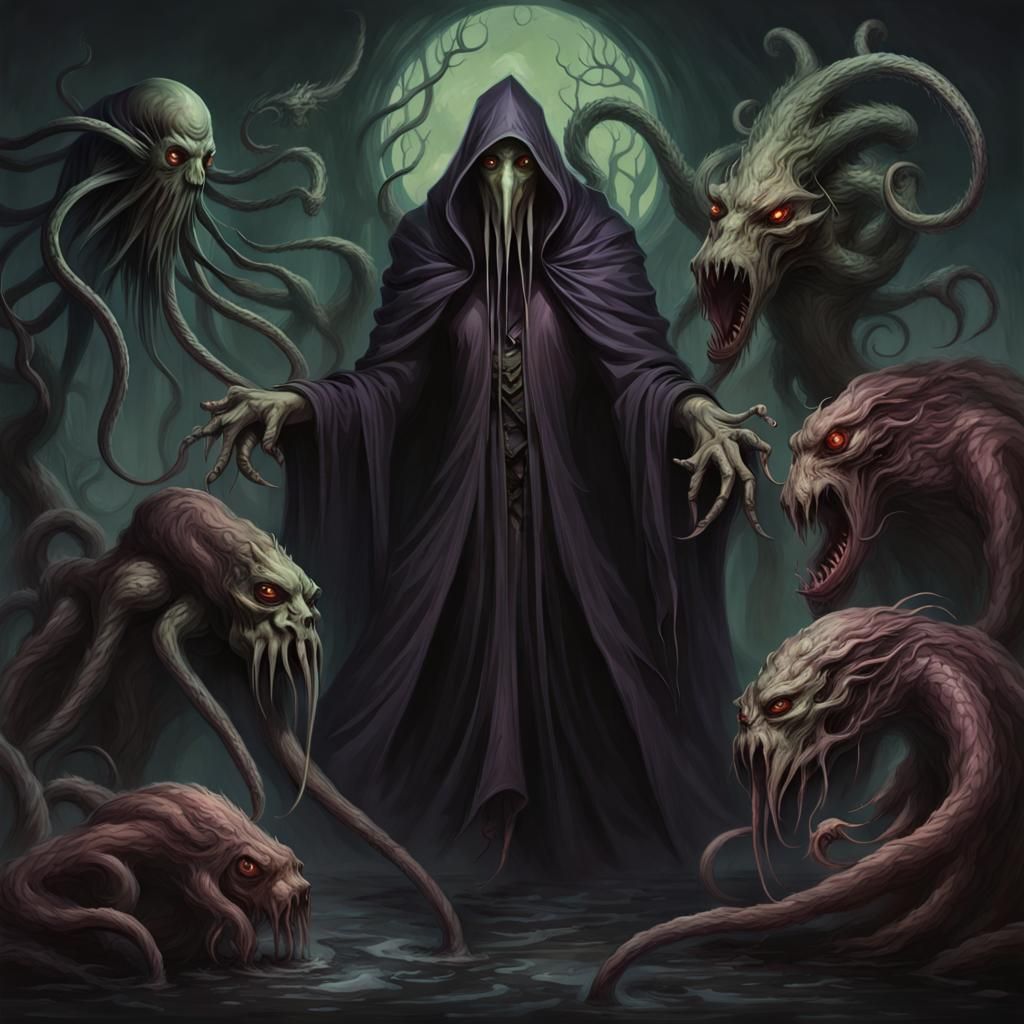
Before modern fiction, similar figures appeared in myth, folklore, and religious texts as chaotic forces lurking beyond human understanding. Ancient cultures often named unseen terrors that lurked in darkness, beneath the sea, or between worlds. Writers like H. P. Lovecraft later drew on these traditions, weaving a shared sense that the universe is fundamentally alien. This lineage gives eldritch horrors a feeling of deep history, as if the stories were uncovered rather than invented.
Common motifs include cyclopean cities, non-Euclidean geometry, and skies that should not exist. Such images evoke a sense of forbidden knowledge that corrupts those who seek it. The recurring themes suggest that contact with eldritch horrors is less a battle and more an unavoidable unveiling of truth. By rooting these concepts in cultural memory, creators tap into a primal unease about what might lie just beyond perception.
The Psychology Behind the Fear
On a psychological level, eldritch horrors tap into the uncanny, that chill when something seems almost human yet deeply wrong. Our brains are wired to recognize patterns, especially faces and figures, and when those patterns break in strange ways, alarm bells ring. Eldritch horrors exaggerate this by twisting familiar forms into something distorted and inhuman. The resulting discomfort feels primal, because it challenges our sense of a stable, knowable world.
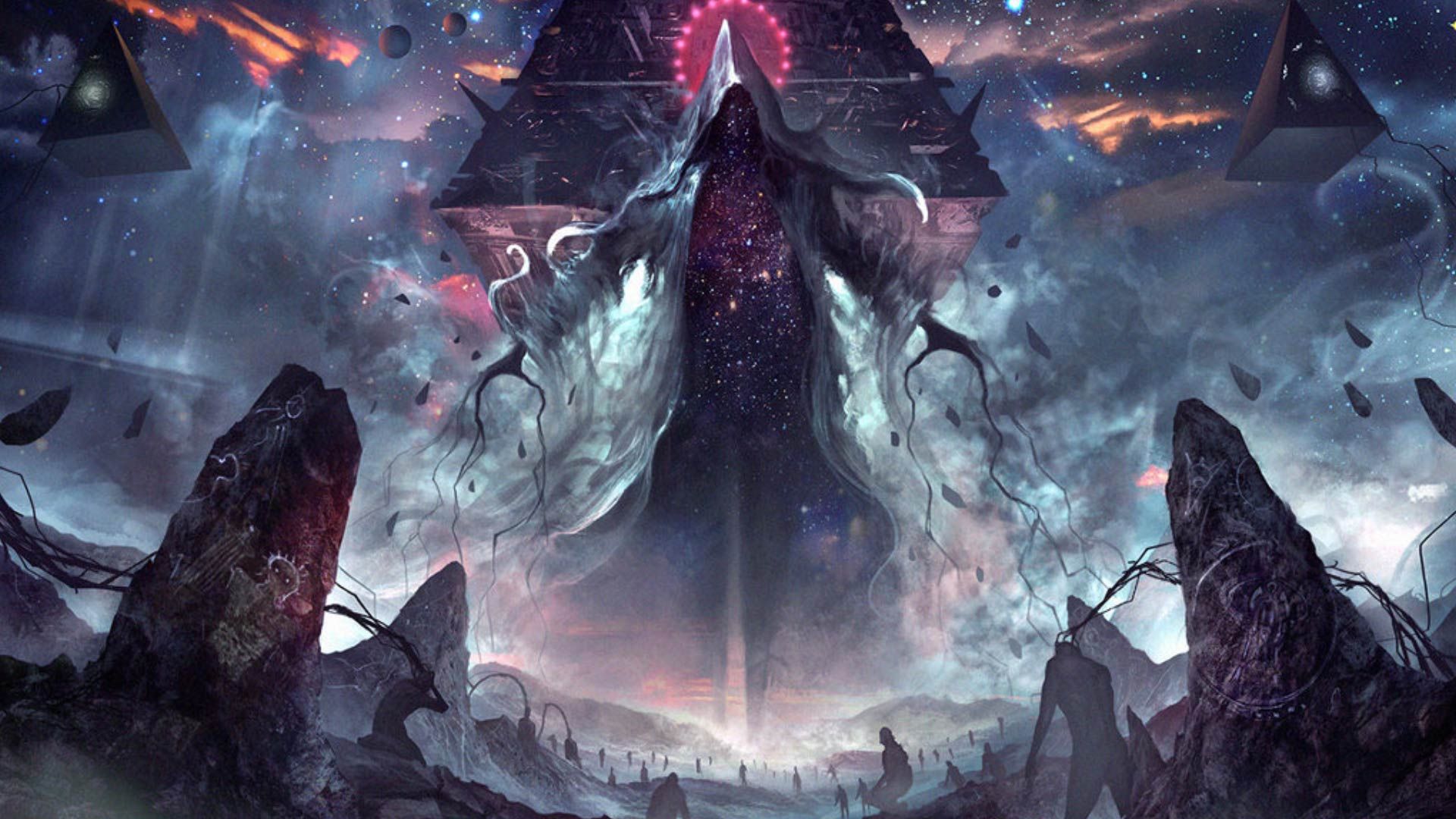
Existential dread also plays a key role, as these entities hint at a cosmos without purpose or protection. Characters who encounter eldritch horrors often lose their sense of safety and certainty, which can mirror deep anxieties about mortality and the unknown. Writers use this to create tension that lingers after the story ends, inviting readers to question what else might be hidden in the dark. In this way, eldritch horrors become metaphors for fears that words alone cannot express.
Symbolism and Hidden Messages
Beyond surface terror, eldritch horrors can symbolize the limits of human understanding. They embody ideas that are too complex or disturbing to grasp fully, reflecting how some truths may be unbearable if fully known. This makes them powerful tools for exploring themes of madness, faith, and the fragile nature of sanity. The horror is not only in the creature but in the realization that the universe does not bend to human expectations.
Some interpretations link these beings to the subconscious, where repressed fears and desires writhe in the dark. An eldritch horror might represent a personal trauma or a collective cultural anxiety, emerging when we feel most vulnerable. By giving form to the formless, stories allow us to confront abstract dread in a controlled, imaginative space. This symbolic layer adds richness, making encounters with eldritch horrors feel strangely meaningful.

Modern Echoes in Media and Pop Culture
Today, eldritch horrors appear in novels, games, films, and series, often updated for contemporary audiences. Creators blend cosmic dread with current fears about technology, climate change, or the unknown reaches of space. The core idea remains: humanity is small within a vast, indifferent universe. This adaptability ensures that eldritch horrors stay relevant, evolving with each new generation of storytellers.
Games and interactive media take these concepts further by letting players feel the weight of discovery and helplessness. Instead of watching a hero fight a monster, participants may slowly uncover forbidden truths themselves. The experience can blur the line between fascination and unease, making the horror deeply personal. As a result, modern portrayals of eldritch horrors often linger in the mind long after the screen fades to black.
Creating Your Own Eldritch Horrors
Building a memorable eldritch horror starts with atmosphere rather than explicit description. Suggesting shapes, sounds, and sensations can be more powerful than laying out every detail. Focus on how the entity distorts reality, from warped time to impossible architecture. Let the audience fill in the gaps, because the mind will invent horrors that are uniquely terrifying.
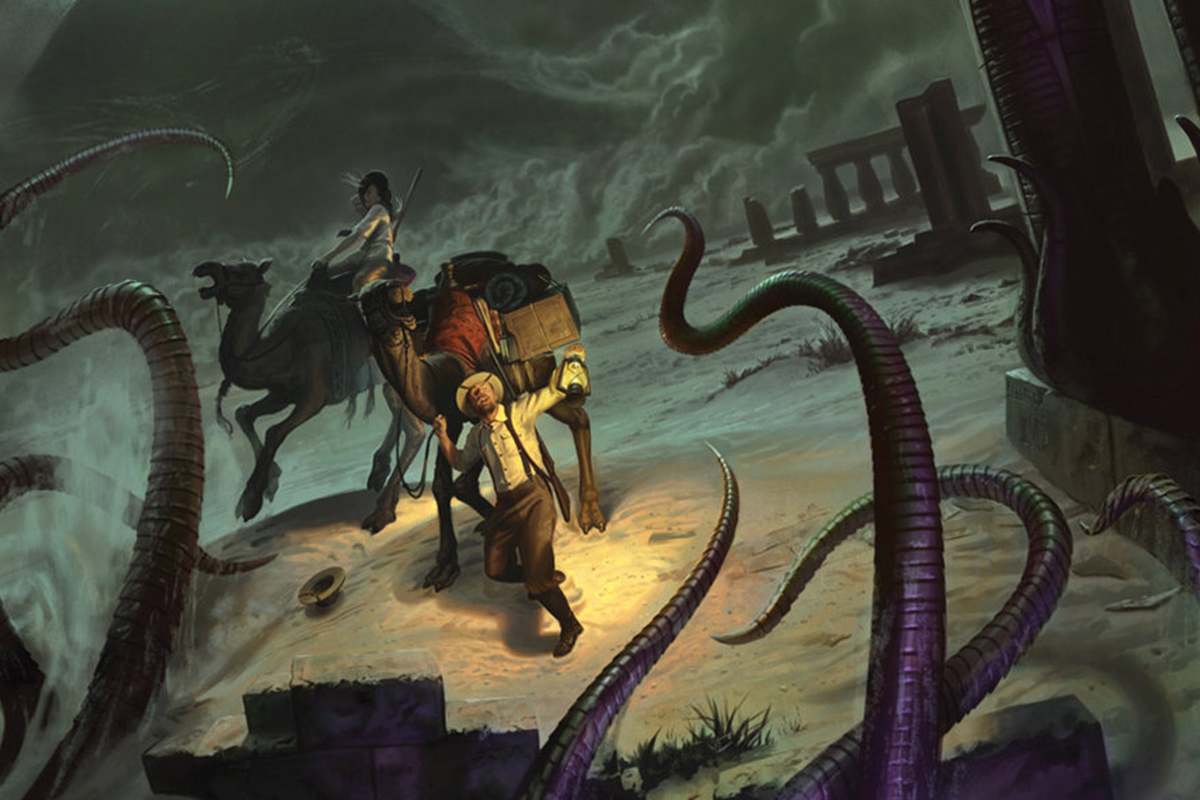
- Emphasize the incomprehensible scale, making human characters feel tiny and temporary.
- Use sensory distortion, such as colors that should not exist or sounds that hurt the mind.
- Tie the horror to deeper themes like isolation, the unknown, or the fragility of perception.
- Leave room for mystery, allowing the audience to imagine the worst parts for themselves.
When done well, an eldritch horror becomes more than a monster; it becomes an experience that reshapes how viewers see the world. The most enduring examples feel like genuine discoveries, as if the terror has always been there, waiting just beyond the edge of sight. By respecting the mystery and power of these entities, storytellers can craft work that resonates long after the story ends.
Conclusion
Eldritch horrors endure because they touch something deep within us, a quiet recognition that the universe is strange and humanity is not at its center. They challenge our need for control, inviting us to sit with uncertainty and fear. In stories, games, and dreams, these beings remind us that not everything can be explained or tamed. Ultimately, the lasting appeal of eldritch horrors lies in their ability to turn the unknown into a shared, haunting experience.
Terrifying Cosmic Horrors Explained in 14 Minutes
Terrifying Cosmic Horrors Explained in 14 Minutes takes you through the most haunting depictions of cosmic horror in fiction.
