Hanabi Board Game
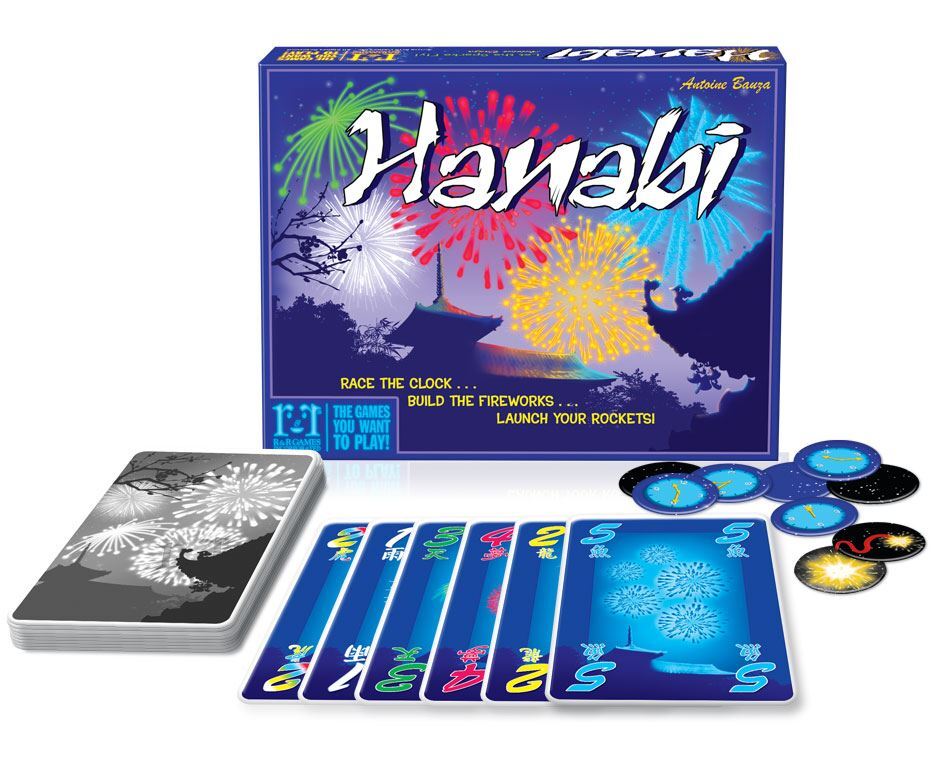
Hanabi is a cooperative board game that turns fireworks planning into a tense, social puzzle for your tabletop.
What is Hanabi and Why It Stands Out
Hanabi is a board game designed by Antoine Bauza and published by Cocktail Games, famous for introducing innovative deduction mechanics to a wide audience. Unlike most games where players compete to win, Hanabi centers on collaboration, with everyone trying to create a perfect fireworks display together. The name itself means "fireworks" in Japanese, and the artwork, icons, and tension all echo that festive theme. It stands out because it limits what you can see, forcing you to communicate clearly without speaking the obvious information aloud.
The game uses a clever card-holding mechanic where you hold your cards facing other players, so only they can see your hand while you rely on their hints to play efficiently. This reversal of perspective creates a unique memory and deduction challenge that feels fresh even after many plays. Because each round is relatively short, you can quickly test theories, adjust your strategy, and experience the satisfaction of synchronized planning. For groups that enjoy light strategy, cooperative puzzles, and a touch of theater, Hanabi remains a standout choice in the crowded landscape of modern board games.

How the Hanabi Gameplay Flow Works
At the start of a Hanabi game, you build a display of firework cards, and each player receives a hand of cards facing outward so teammates can see them but you cannot. On your turn, you perform one action, such as giving a hint to a neighbor about the color or value of their cards, playing a card that matches the current fireworks stack, or discarding to refresh your hand. The tension rises as you carefully manage limited hints, avoid mistakes that damage the display, and coordinate who will play which card next.
Each successful play pushes a firework closer to completion, while misplays add sad little error tokens to the center of the table, reducing your margin for future mistakes. Because information is scarce, you must infer intentions, remember previous hints, and decide when to take a risk and play a card that might still be uncertain. The shared victory condition creates natural discussion, light negotiation, and moments of delighted realization when the group successfully choreographs a complex sequence without a single error.
Key Strategies to Improve Your Hanabi Play
One of the most effective Hanabi strategies is to always give informative hints, avoiding vague statements that waste the group’s limited hint tokens. Focus on highlighting a color or rank that is critical for the current fireworks stacks or that appears multiple times in your teammates’ hands. Early in the game, you should prioritize giving clues that unlock multiple possibilities, rather than saving hints for later when the situation might be more constrained.
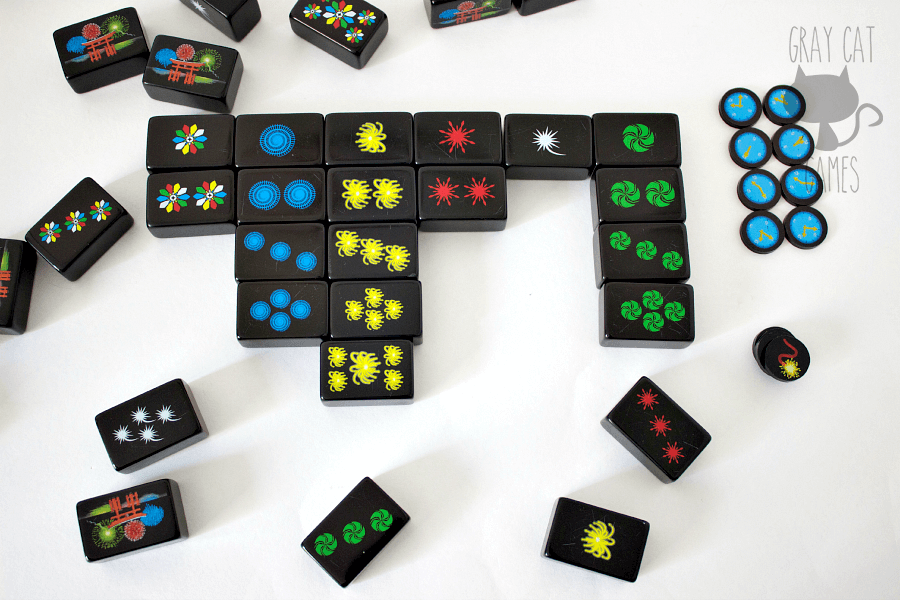
- Pay attention to which cards have already been played or discarded to narrow down what your teammates might still hold.
- Use memory to track likely locations of key cards, such as the top values of the fireworks decks that must still be reached.
- Coordinate with your group to establish subtle conventions for hint timing and emphasis, so intentions are clear without breaking the no-verbal-communication rule.
Another advanced tactic is to manage the discard pile wisely, avoiding unnecessary discards of useful cards that could clog future planning. When you are uncertain about a card, sometimes it is better to hold onto it and let a teammate gain more information before committing to a play. Over time, your group will develop a shared intuition for risk, timing, and when to push for a flawless finish versus playing it safe.
Hanabi Expansions and Variations to Refresh the Experience
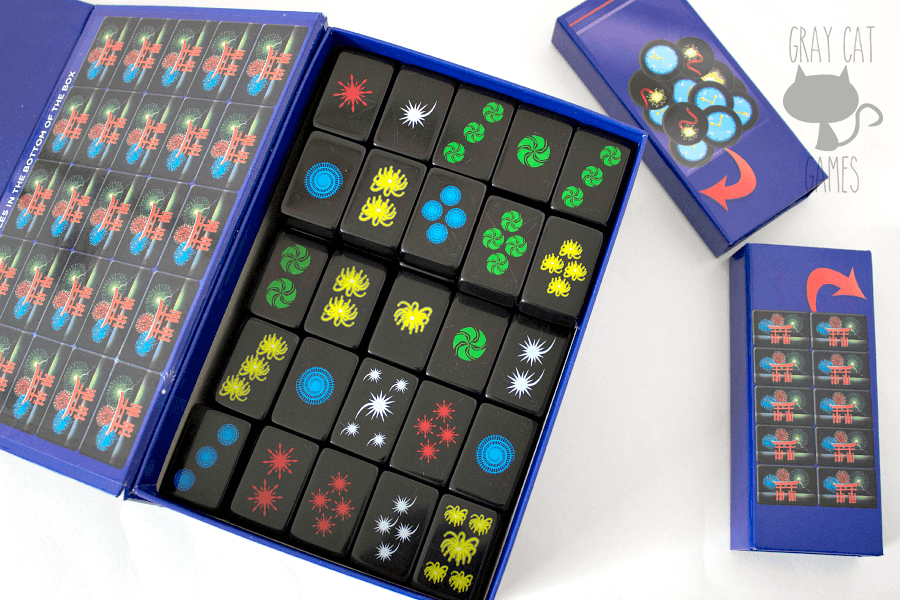
Several official expansions add new layers to the core Hanabi gameplay, including variant rules that change how hints are limited or introduce asymmetrical player abilities. These expansions keep the familiar card-holding system while adding fresh strategic wrinkles, such as restricted information roles or special action tokens that can be spent to influence the table state. They are designed to integrate smoothly with the original, so you can start with the base game and gradually introduce new complexity as your group becomes more comfortable.
Fan-made variants and house rules also appear online, often focusing on adjusting difficulty, adding team roles, or creating narrative themes around different fireworks festivals. These unofficial tweaks can shorten or extend the tension curve, making Hanabi more suitable for casual family nights or intense strategy sessions with experienced gamers. Exploring expansions and variants is a great way to keep the game feeling fresh while still honoring the elegant deduction that made the original so beloved.
Who Will Love Hanabi and When to Play It
Hanabi shines in groups of two to five players who enjoy talking through decisions, reading subtle cues, and solving shared puzzles. It is an excellent choice for game nights with friends who like light strategy but do not want heavy rules or long analysis paralysis. Because communication is restricted to non-verbal hints, it encourages creative thinking about how to convey meaning, making it a fun conversation starter even when you are not actively playing.
The game scales well with player count, offering different dynamics as the number of hands and information channels changes. Short playtime and quick set-up mean you can easily fit multiple rounds into an evening, experimenting with different strategies and learning from each mistake. If your group values cooperation, memory, and elegant simplicity, Hanabi is a reliable centerpiece that will entertain you again and again.
Final Thoughts on the Hanabi Board Game Experience
In summary, Hanabi transforms a simple concept of building fireworks into a memorable exercise in communication, memory, and joint problem-solving. Its intuitive iconography, quick rounds, and cooperative tension make it approachable for newcomers while still offering depth for seasoned players. By balancing limited information with meaningful choices, it consistently delivers moments of suspense, insight, and shared celebration around the table.
Whether you are hosting a relaxed family evening or a focused game night with friends, adding Hanabi to your collection gives you a versatile, replayable experience that highlights the joy of working together to create something beautiful without a single spoken word. Give it a try, pay attention to your hints, and enjoy the delicate choreography of your very own fireworks display.
Como Jogar Hanabi | Rolar para Crítico
Aprenda a jogar o jogo de cartas Hanabi em cinco minutos, ou menos ou mais. Tente não olhar para as suas próprias cartas ...
