Knights And Dragons
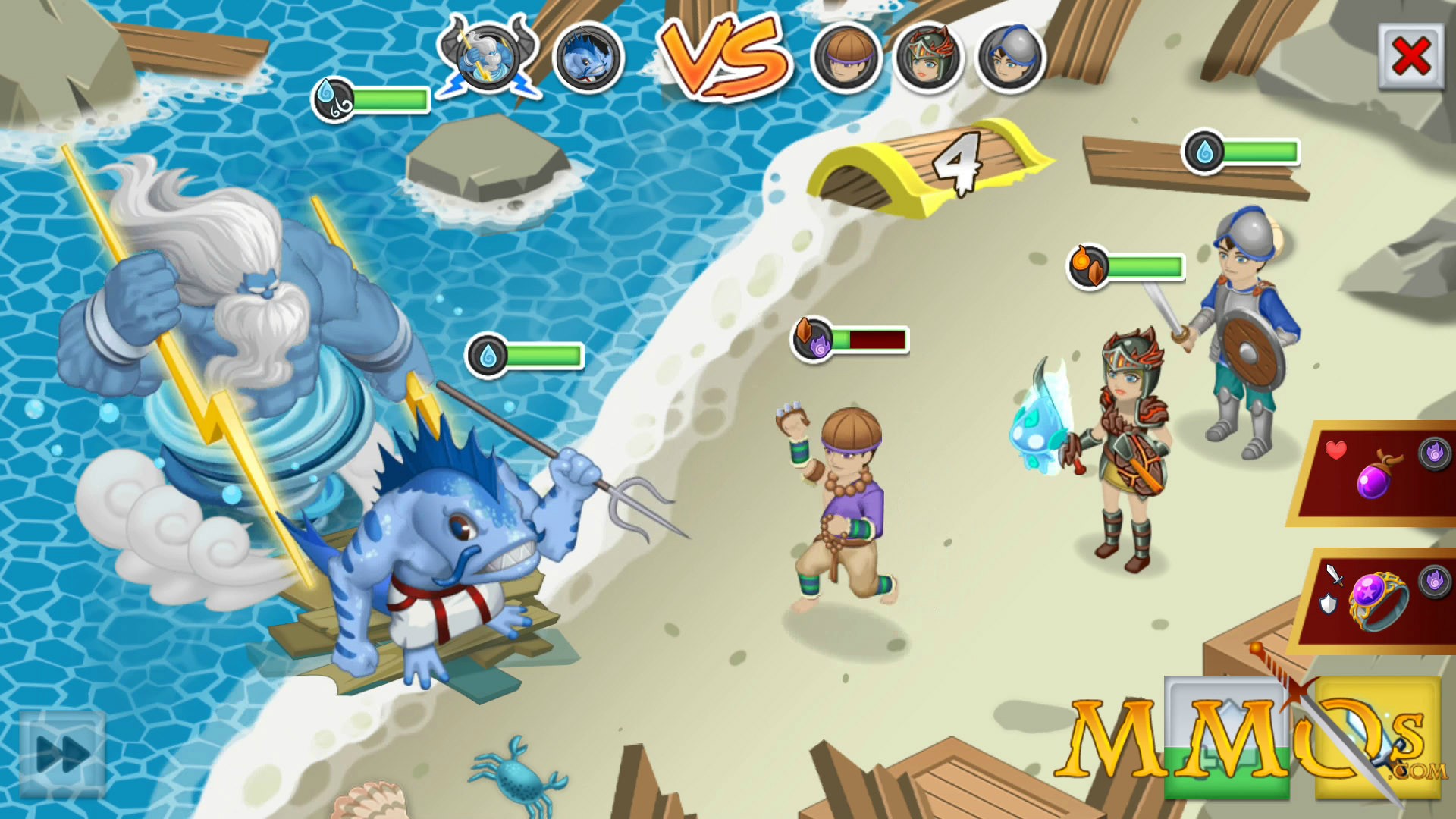
Knights and dragons have long dominated the landscape of legend, where brave warriors on noble steeds face terrifying serpents in battles that decide the fate of kingdoms.
The Historical Roots of Knights
The figure of the knight emerged from the realities of medieval Europe, where heavily armored cavalry became the decisive force on the battlefield. These warriors swore oaths that bound them to ideals such as courage, loyalty, and protection of the weak, turning martial skill into a code of conduct that still fascinates us today.
In historical context, a knight trained for years, first as a page and then as a squire, mastering weapons, horse handling, and the complex etiquette of noble society. The armor evolved from simple chainmail to elaborate plate harnesses that offered increasing protection while allowing surprising mobility. Though less common in later centuries, the legacy of the historical knight shaped literature, heraldry, and the very idea of noble service.
Dragons in Myth and Folklore
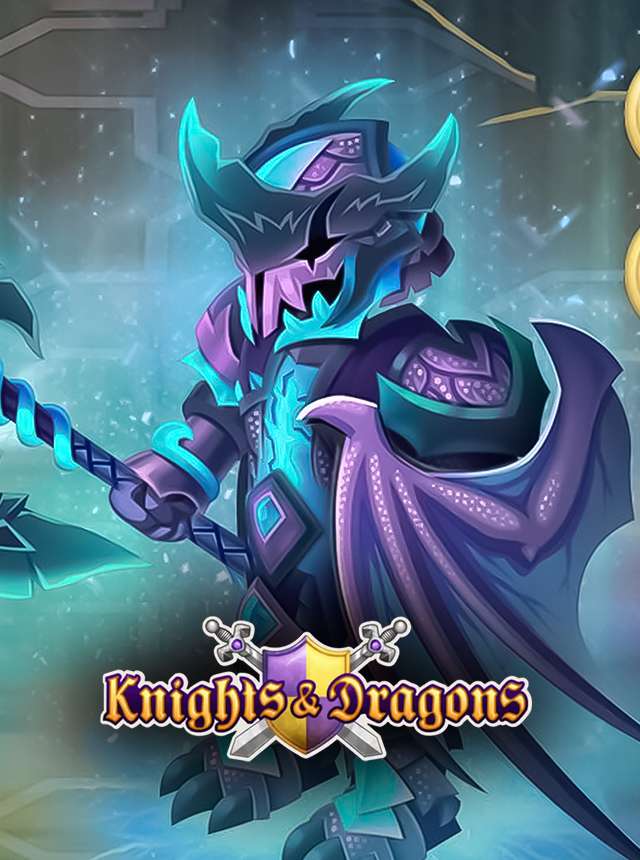
Across cultures, the dragon appears as a symbol of primal power, guarding treasures, controlling the elements, or embodying chaos that must be overcome. In European tales, these creatures are often winged, fire-breathing serpents, while in other traditions they take the form of serpentine water spirits or wise, ancient beings that test the hearts of those who seek them.
Dragons frequently serve as narrative anchors, representing greed, environmental forces, or the fears that a community must confront. By attributing natural disasters or personal struggles to a dragon, storytellers transform abstract dangers into tangible foes that can be challenged, negotiated with, or ultimately defeated. This flexibility explains why dragons endure in myths from the British Isles to East Asia, each culture weaving the beast into its unique moral and spiritual landscape.
The Enduring Appeal of Knight Versus Dragon
The classic confrontation between knights and dragons distills timeless themes of bravery versus mystery, order versus chaos, and human ingenuity versus raw strength. In these stories, the knight often stands as a mortal representative of society, tasked with defending villages, rescuing captives, and restoring balance. The dragon, by contrast, is usually more than a simple monster; it is a force of nature that demands respect and careful strategy rather than mere brute force.
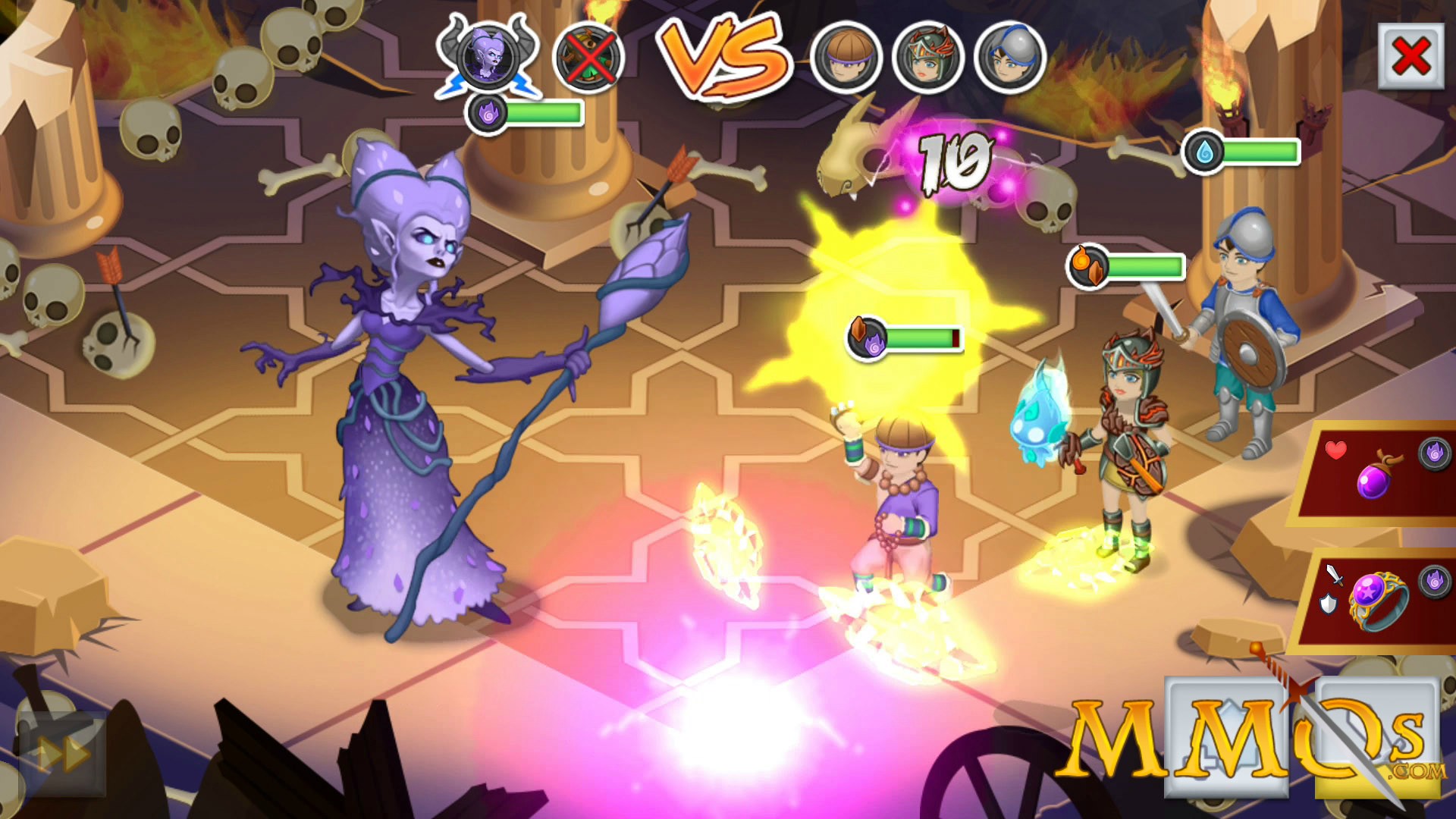
This narrative pattern invites readers to explore questions of honor, sacrifice, and the cost of victory. When a knight faces a dragon, the battle becomes a test not only of physical prowess but also of moral conviction. The outcome shapes the identity of the hero and the future of the realm, making these encounters powerful metaphors for personal challenges and societal struggles.
Symbolism and Moral Lessons
On a symbolic level, knights and dragons can be read as representations of internal struggles, where the armored figure stands for reason, discipline, and conscious will, while the dragon embodies fear, desire, or the unconscious mind. Taming or defeating the dragon often signifies mastering one’s own impulses, overcoming trauma, or achieving a hard-won wisdom that benefits the entire community.
- Justice and protection, as the knight defends the vulnerable.
- Inner transformation, as characters face their metaphorical dragons.
- The balance between civilization and wild, untamed forces.
Many modern adaptations translate these ancient symbols into new settings, showing that the lessons encoded in knight-and-dragon tales remain remarkably relevant. By exploring courage, responsibility, and the consequences of power, these stories continue to offer guidance and inspiration across generations.
Modern Retellings and Cultural Impact
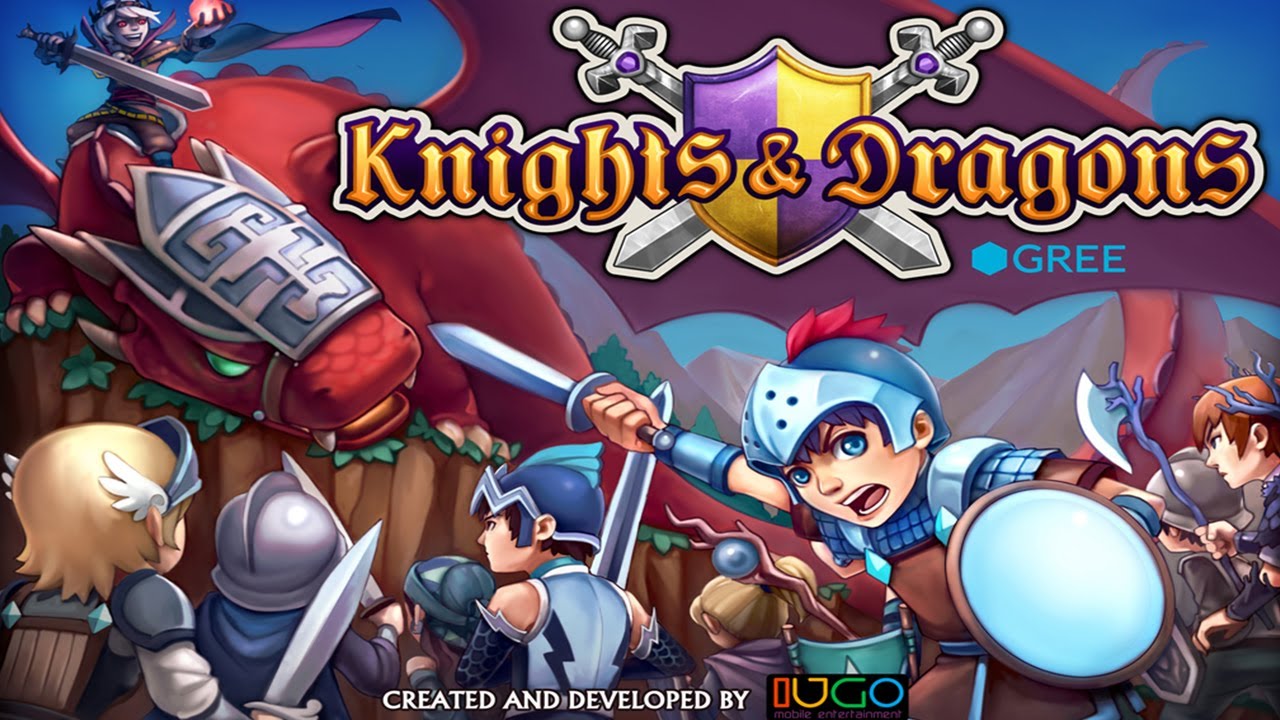
Contemporary fiction, film, and games frequently revisit the motif of knights and dragons, sometimes subverting expectations by portraying dragons as wise allies or questioning the morality of a knight’s mission. These reinterpretations reflect evolving attitudes toward heroism, environmental stewardship, and the complexity of ethical choices.
From animated adventures to gritty dramas, the imagery of armored heroes and colossal serpents continues to captivate audiences. By blending traditional motifs with fresh perspectives, creators keep the legend alive while ensuring that knights and dragons speak to current concerns and diverse viewers. This ongoing dialogue between old and new ensures that the archetypes remain flexible, adaptable, and eternally intriguing.
Why Knights and Dragons Still Matter
Knights and dragons endure because they encapsulate fundamental human experiences: the struggle against overwhelming odds, the quest for meaning, and the tension between fear and courage. They invite us to imagine worlds where extraordinary trials reveal the best and worst within ourselves, offering both thrilling escapism and thoughtful reflection.
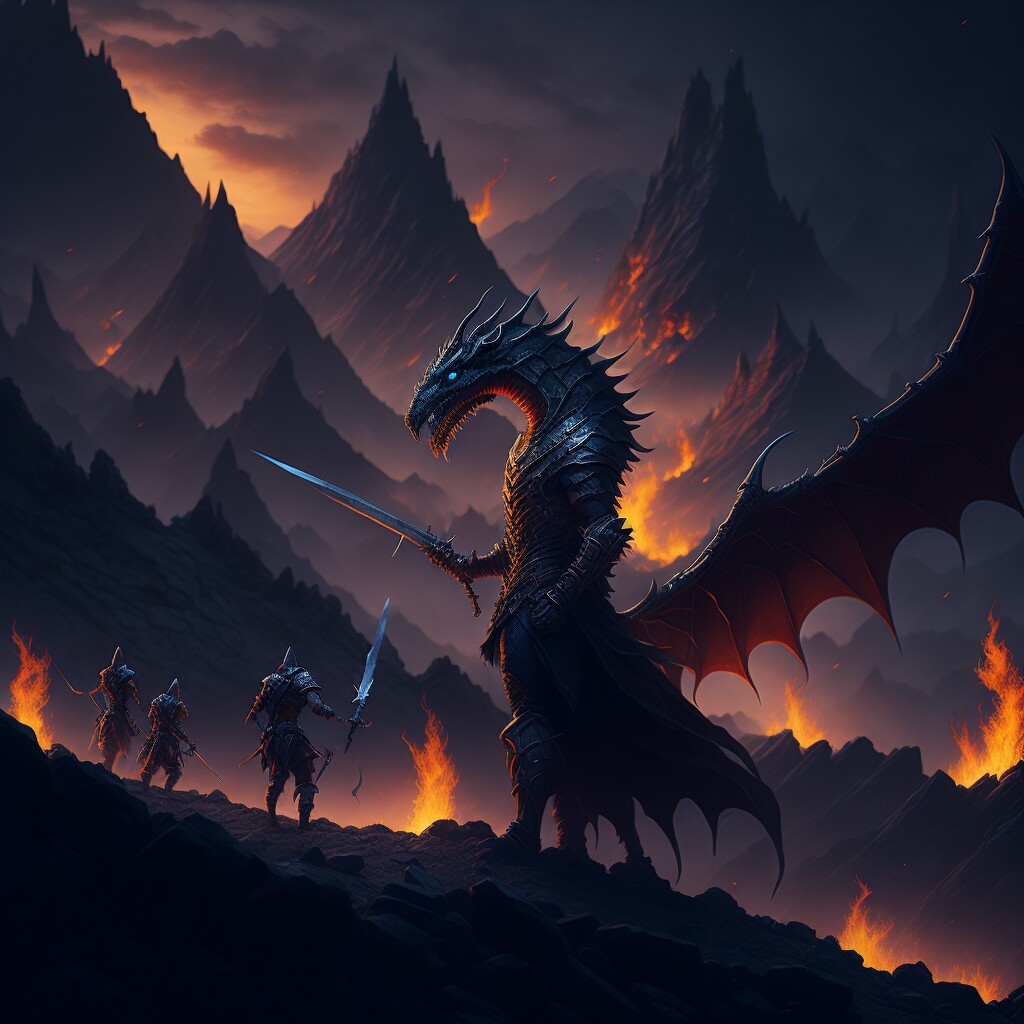
As long as people seek stories that combine excitement with deeper significance, these legendary figures will continue to roam the pages of books, the frames of movies, and the landscapes of our imagination. By honoring both the noble knight and the enigmatic dragon, we keep a rich tradition alive while discovering new ways to understand our own journeys.
In the end, the timeless dance between knights and dragons reminds us that every challenge carries the potential for growth, and that even the most fearsome adversaries can become catalysts for courage, wisdom, and lasting change.
Knights and Dragons Game - Orchard Toys
Prepare for battle and race to complete the knights in this fun twist on a classic game! Players take turns to match as many noble ...
