Lalibela Africa

Lalibela Africa is a name that instantly evokes the dramatic rock-hewn churches of Ethiopia, a place where faith, history, and landscape fuse into one of the most unforgettable experiences on the continent. This small town in the northern highlands is not merely a destination; it is a living testament to human devotion, carved literally from the earth over nine centuries ago. For travelers seeking an authentic encounter with African heritage, the story of Lalibela offers a profound journey that goes far beyond a simple sightseeing checklist.
The Historical Heart of Lalibela
The history of Lalibela is inseparable from King Lalibela himself, a 12th-century monarch of the Zagwe dynasty who is said to have received a divine vision to create a new Jerusalem in Ethiopia. According to tradition, the intricate network of eleven monolithic churches was constructed with the help of angels, who worked by day while the king’s subjects toiled by night. This sacred narrative transforms the town into more than an archaeological site; it becomes a pilgrimage destination where time seems to stand still.
These churches were carved directly from volcanic rock, a feat of engineering that required precise planning and immense skill. Scholars generally agree that the construction spanned several decades, reflecting the unwavering commitment of a kingdom to create a spiritual sanctuary. The result is a complex that remains a vibrant center of worship, where the liturgy, incense, and ancient chants connect the present moment to a distant, yet very alive, past.
The Architectural Marvel of the Churches
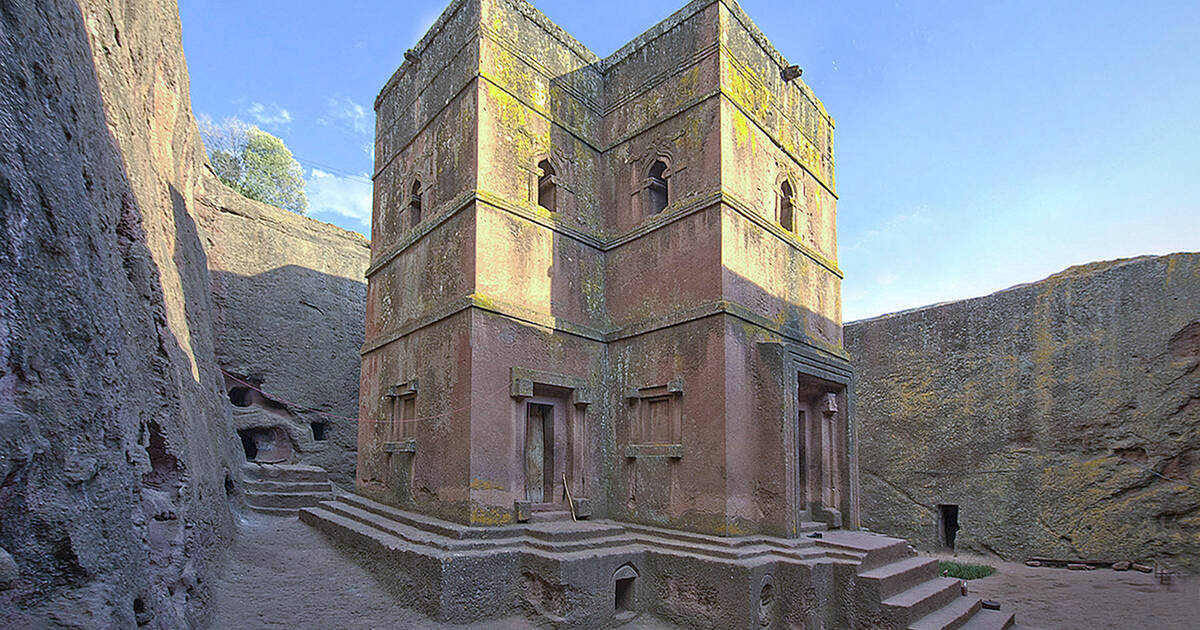
What sets Lalibela apart from other archaeological treasures is its unique method of creation. Instead of building with bricks or stones, the artisans subtracted material, hollowing out trenches and caverns to reveal the churches in their final form. This top-down approach required an intimate understanding of the stone’s composition and a masterful command of geometry and balance. The churches are not isolated monuments but are linked by a maze of tunnels and corridors, designed to guide the faithful through a spiritual journey.
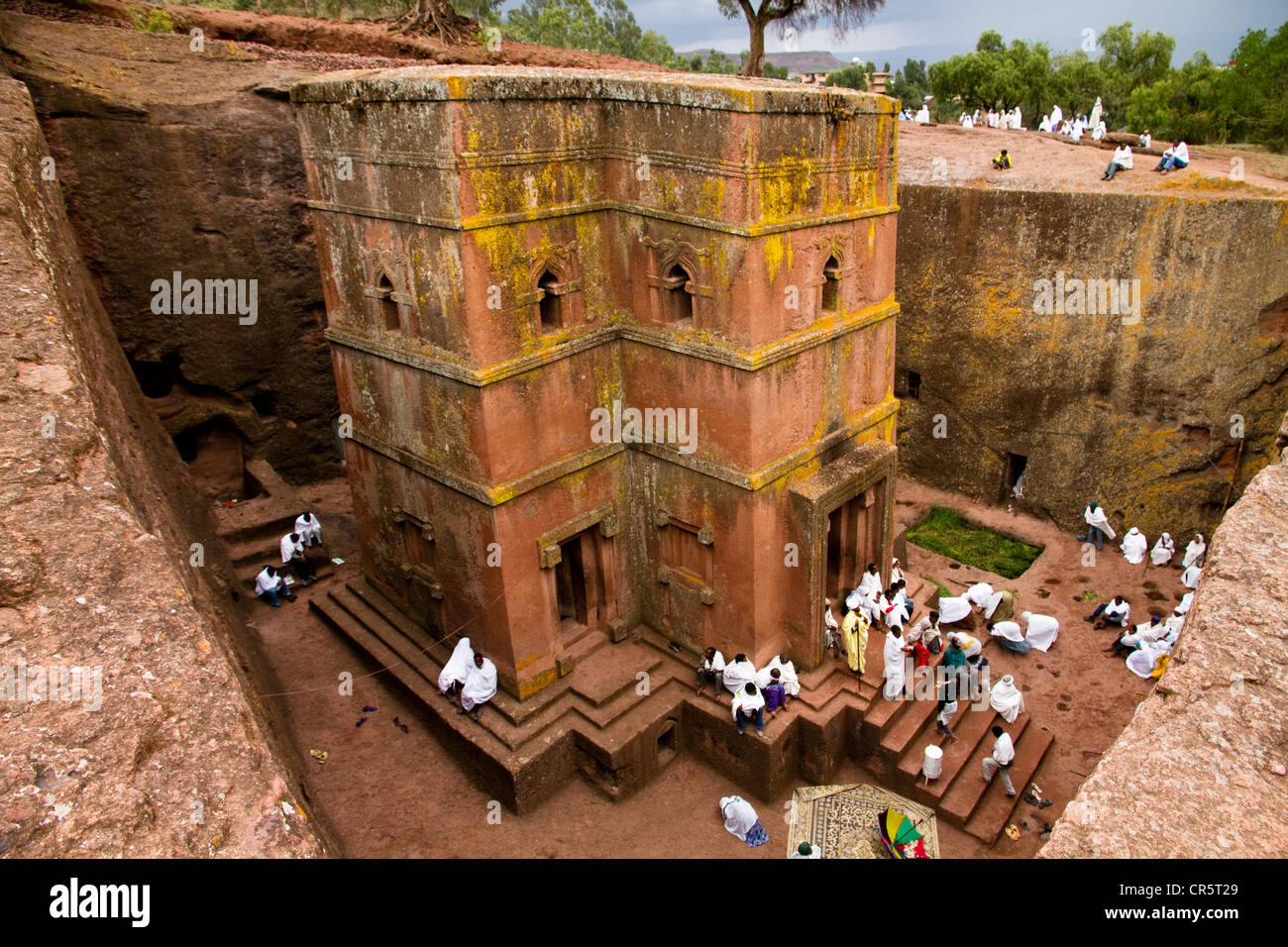
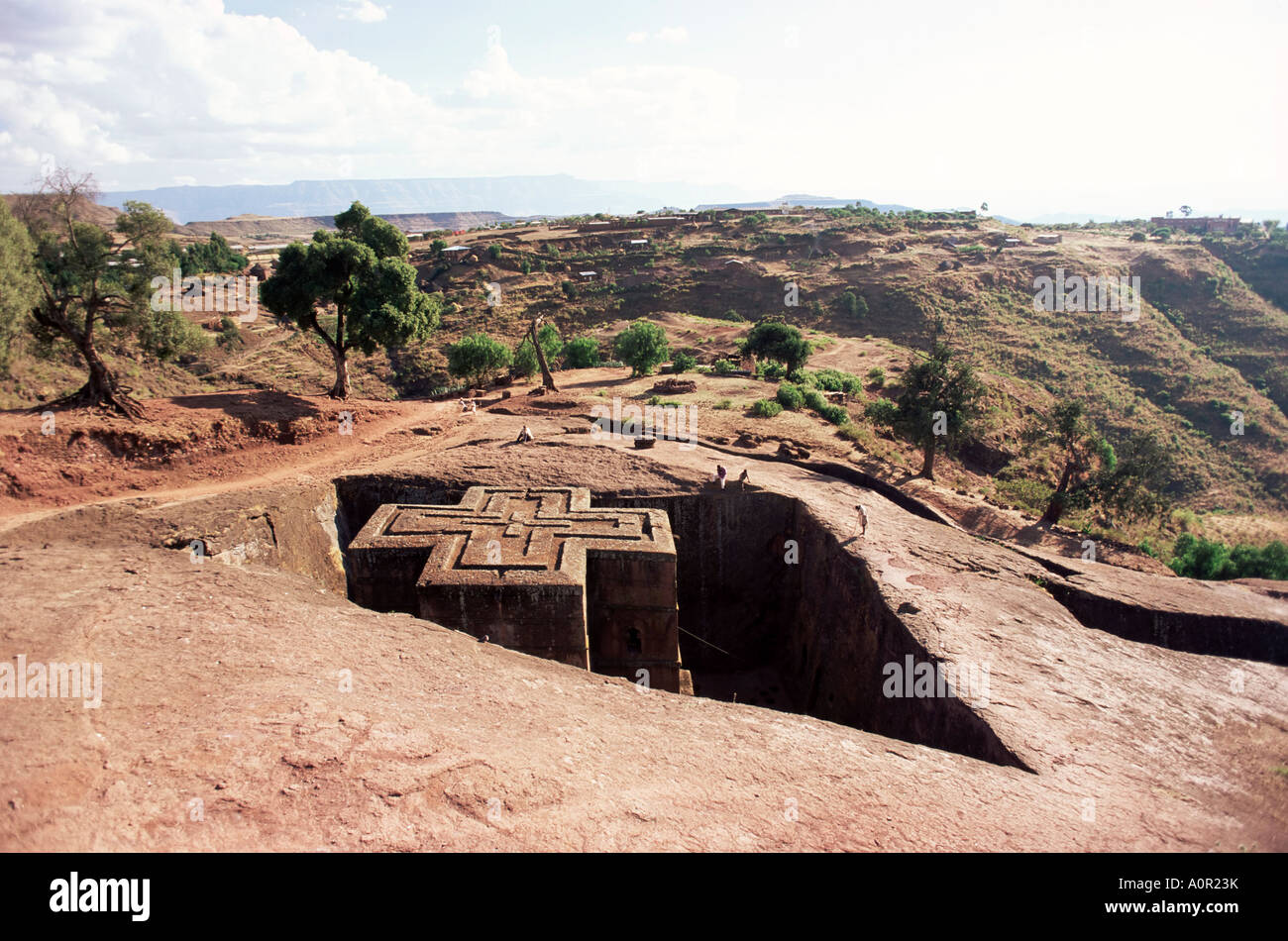
Among the most famous structures is Bete Giyorgis, or Saint George’s Church, which is often regarded as the most perfectly preserved and artistically significant. Shaped like a cross and isolated in a deep pit, its soaring interior and delicate relief carvings appear to float within the rock. Other churches, such as Bete Medhani Alem, house towering ceilings and ancient murals, showcasing a spectrum of artistic styles that reflect the evolving religious and cultural landscape of the region over the centuries.
Daily Life and Spiritual Rhythm
To visit Lalibela is to step into a world where the sacred and the mundane coexist seamlessly. Local residents go about their daily routines—tending to small shops, herding livestock, and preparing meals—often within the shadow of these ancient edifices. The air is filled with the scent of incense, the sound of prayer bells, and the sight of locals in traditional white shamma garments moving with quiet reverence. This living culture ensures that the site is not a frozen museum piece but a thriving community.

Festivals and religious ceremonies provide a window into the soul of the town. During events like Ethiopian Christmas (Genna) or Timkat (Epiphany), the churches come alive with processions, chanting, and rhythmic dancing. Visitors are often welcomed to observe these intimate moments, offering a rare opportunity to witness the deep emotional and communal aspects of Ethiopian Orthodox faith firsthand.
Journeying Through the Ethiopian Highlands
The road to Lalibela is itself a part of the adventure, winding through the breathtaking Ethiopian highlands. As you approach, the landscape shifts from rolling green hills to dramatic escarpments and terraced farms that cling to the mountainside. The cool mountain air and the changing vistas prepare you for the awe that awaits in the town’s dusty streets.
Travelers often combine a visit to Lalibela with other regional highlights, such as the Simien Mountains National Park, known for its endemic wildlife and stunning vistas, or the ancient city of Axum, the historic heart of the Aksumite Empire. This region of northern Ethiopia offers a rich tapestry of experiences, from trekking and birdwatching to exploring the remnants of ancient kingdoms, making it a multifaceted destination for the curious traveler.
Practical Considerations for the Modern Pilgrim
Planning a trip to Lalibela requires some preparation to ensure a smooth and respectful experience. The town’s altitude means that acclimatization is important; taking a day or two to adjust to the thin air can make a significant difference in your comfort and enjoyment. While the town offers a range of accommodation options, from simple guesthouses to more comfortable lodges, booking in advance is advisable, especially during peak tourist seasons.
Guides are highly recommended, not only for navigating the physical site but for providing context and depth to your visit. A knowledgeable local guide can explain the symbolism behind the church layouts, identify details in the carvings, and share stories that bring the stones to life. Respectful dress and behavior are essential, as the churches remain active houses of worship, and modest attire helps maintain the sanctity of the space.
Preserving a Legacy for the Future
Like many of the world’s great heritage sites, Lalibela faces challenges in the modern era, including the pressures of tourism, weathering, and the need for ongoing conservation. Efforts by Ethiopian authorities and international organizations are focused on preserving these rock-hewn wonders for future generations. Responsible tourism plays a crucial role in this, as visitor contributions support local communities and fund vital maintenance work.
By choosing to visit with sensitivity and awareness, travelers become part of a continuum that honors this remarkable place. Lalibela Africa is more than a checklist item; it is an invitation to engage with a profound piece of human history. It reminds us of the power of faith to move mountains, quite literally, and the enduring ability of culture to shape a landscape in the most extraordinary ways.
In the end, the true magic of Lalibela lies in its ability to inspire reflection and wonder. Whether you are a history buff, an architecture enthusiast, or a spiritual seeker, the experience of standing within those ancient rock walls offers a unique perspective on the intersection of humanity, belief, and the enduring spirit of Africa.
Rock-Hewn Churches of Lalibela, Ethiopia | Africa’s Cultural Landmarks
Stepping into one of the rock-hewn churches of Lalibela is an experience unlike any other. Carved directly from volcanic rock, ...
