Monster Evolution
Monster evolution is a fascinating concept that blends biology, mythology, and imagination, showing how creatures can transform across time and stories. From ancient legends to modern games and films, the idea of a monster evolving has captured the minds of creators and audiences alike, offering a dynamic view of fear, power, and adaptation. This exploration dives into the many layers of how monsters change, why we love these transformations, and what they reveal about our culture and creativity.
The Origins of Monster Evolution in Myth and Legend
Long before movies and video games, monster evolution appeared in the myths of cultures around the world. Ancient civilizations told tales of beings that shifted forms, either as punishment, blessing, or a natural part of their life cycle. These early stories laid the groundwork for how we imagine monsters growing, changing, and adapting to their worlds.
In Greek mythology, creatures like the Hydra could regenerate lost heads, showing a kind of evolutionary resilience. Norse legends featured wolves such as Fenrir that grew in power and threat as the gods approached the events of Ragnarok. These myths highlight an early understanding of monsters evolving not just in appearance, but in purpose and symbolism, reflecting human fears and hopes about nature’s uncontrollable forces.
Monster Evolution in Modern Fiction and Media
In contemporary storytelling, monster evolution has become a central theme, especially in science fiction and fantasy. Writers and filmmakers use transformation to explore ideas of identity, survival, and the consequences of tampering with nature. These narratives often blur the line between monster and hero, making evolution a metaphor for personal growth or societal change.
Popular franchises frequently build entire arcs around a monster evolving through challenges, gaining new abilities or forms that alter the story’s stakes. This evolution can be biological, magical, or even psychological, giving creators a flexible tool to keep audiences engaged. As a result, monster evolution in modern media often serves as a powerful narrative device that deepens character and world development.
Game Mechanics and the Evolution of Monster Design
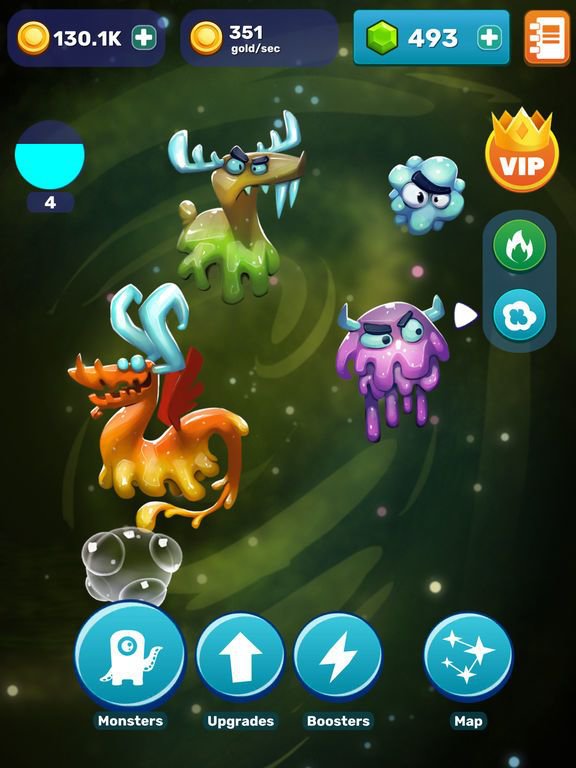
Video games have taken monster evolution to another level by making it interactive and strategic. Players witness, and often trigger, transformations through leveling up, item use, or story progression. This mechanic adds depth to gameplay, encouraging exploration and long-term investment in digital creatures.

- Role-playing games often feature evolution trees, where a monster can branch into multiple forms depending on choices.
- Some games tie evolution to environmental factors, such as time of day, location, or player actions.
- These systems create memorable experiences as players see their monsters grow visually and in power.
Game designers use monster evolution to teach patience and reward dedication, turning a simple creature into a symbol of progress. The visual and mechanical evolution in games often reflects broader themes of change, making each transformation feel meaningful and impactful for the player.
The Psychology Behind Our Fascination with Evolving Monsters
Humans are naturally drawn to stories of change, and monster evolution taps into that instinct. Seeing a creature transform speaks to our curiosity about growth, mutation, and the unknown. It also allows us to project our fears and ambitions onto these beings, exploring what it means to change in dramatic and unexpected ways.
Monster evolution can represent personal struggles, such as overcoming trauma or embracing new identities. By watching a monster evolve, audiences may reflect on their own journeys of growth and adaptation. This psychological connection explains why evolving monsters remain compelling, whether they are terrifying beasts or misunderstood heroes.
Cultural Impact and Symbolism of Evolving Monsters
Beyond entertainment, monster evolution carries cultural weight, often symbolizing societal fears, scientific advances, or environmental concerns. A creature that mutates due to pollution or experimentation can serve as a warning about human impact on the natural world. These stories invite us to consider how change, even monstrous change, is intertwined with our decisions.
In some interpretations, monster evolution reflects anxieties about technology, genetics, and the loss of control. In others, it offers hope, showing that transformation can lead to new strengths and possibilities. By examining these symbols, we gain insight into the evolving relationship between humanity and the creatures we imagine.
The Future of Monster Evolution in Storytelling
As technology and creativity continue to advance, the concept of monster evolution will keep expanding, offering new ways to tell stories and engage audiences. Virtual reality, artificial intelligence, and interactive narratives may allow viewers to influence a monster’s evolution in real time. These innovations could deepen the emotional connection we feel to these evolving beings.
Looking ahead, monster evolution will likely remain a key element in exploring change, identity, and fear. By blending timeless myths with cutting-edge media, creators will continue to reinvent what it means for a monster to evolve. This ensures that the theme will stay relevant and exciting for generations of storytellers and fans to come.
In conclusion, monster evolution is far more than a simple transformation; it is a rich and multifaceted concept that touches on mythology, psychology, gaming, and culture. By understanding how and why monsters evolve, we gain a deeper appreciation for the stories we tell and the fears we confront. As long as imagination continues to grow, the evolution of monsters will remain a powerful and enduring theme in human creativity.
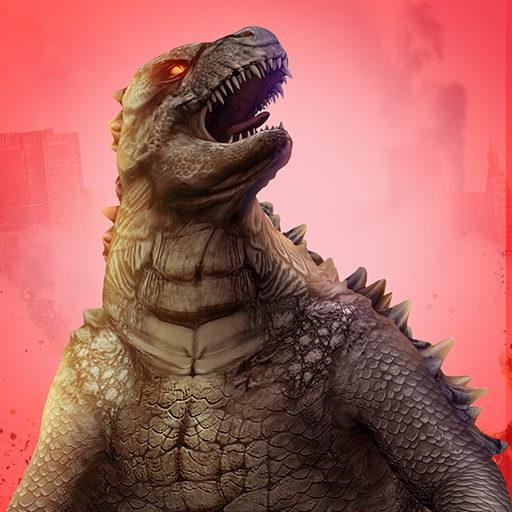
All 13 Kaiju - Monster Evolution : Hit & Smash #DG5l1lgaine
Kaiju: Godzilla, King Kong, Dragon, Mecha Godzilla, Mecha Gorosaurus, Fire Godzilla, Zilla, Axe King Kong, Ghidorah, Neo Skull ...
