Naruto And Bleach
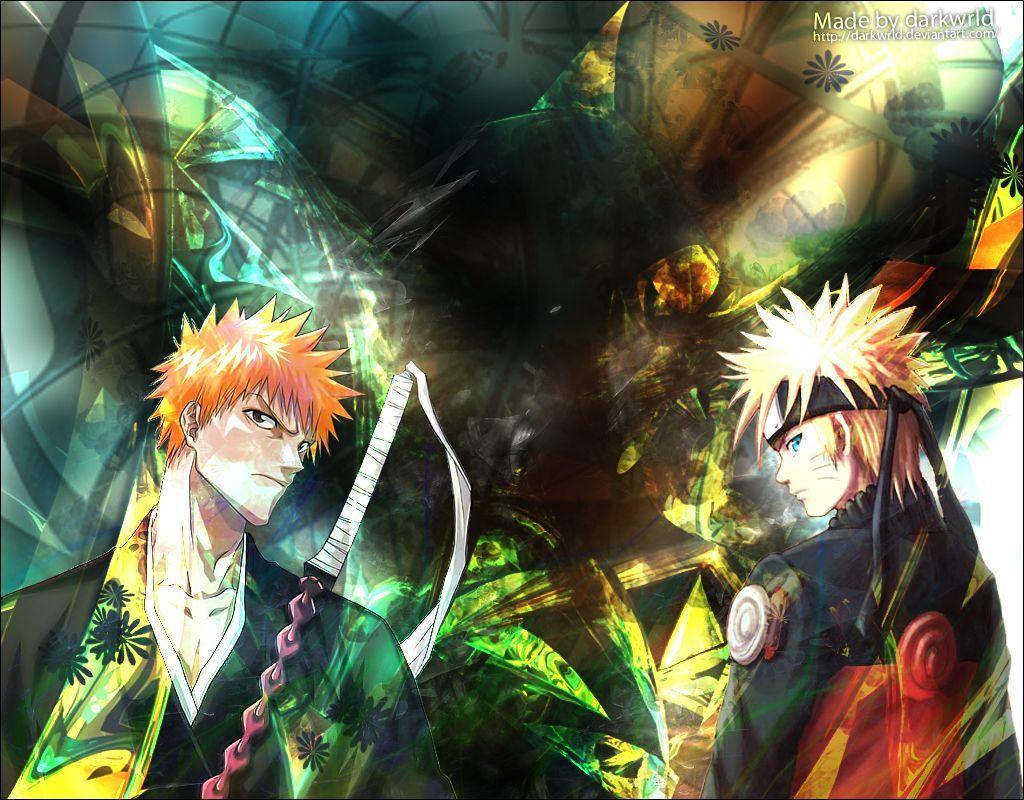
Fans of Naruto and Bleach often explore how two iconic shonen series share themes of loyalty, growth, and epic battles despite being crafted in different cultural contexts.
The Core Appeal of Naruto and Bleach
At their hearts, Naruto and Bleach are coming-of-age journeys wrapped in supernatural conflict. Naruto follows Naruto Uzumaki, a loud, underestimated ninja determined to earn recognition while guarding his village from shadowy threats. Bleach introduces Ichigo Kurosaki, a teenager who accidentally inherits the powers of a Soul Reaper, tasked with protecting humans from malevolent spirits. Both protagonists begin as reckless youths but mature through loss, responsibility, and hard-won wisdom. This parallel evolution is a major reason why viewers and readers remain emotionally invested across hundreds of episodes and volumes.
Beyond protagonists, the rival-turned-ally dynamics in Naruto and Bleach deepen the stories. In Naruto, the evolving bond between Naruto, Sasuke, and Sakura forms the emotional backbone, with Sasuke’s darkness challenging Naruto’s unwavering optimism. Bleach offers similar tension in Ichigo’s relationships with rivals like Byakuya Kuchiki and comrades such as Rukia Kuchiki, whose sacrifices reshape his understanding of duty. These intricate friendships and feuds ensure the conflicts feel personal, not just plot-driven.
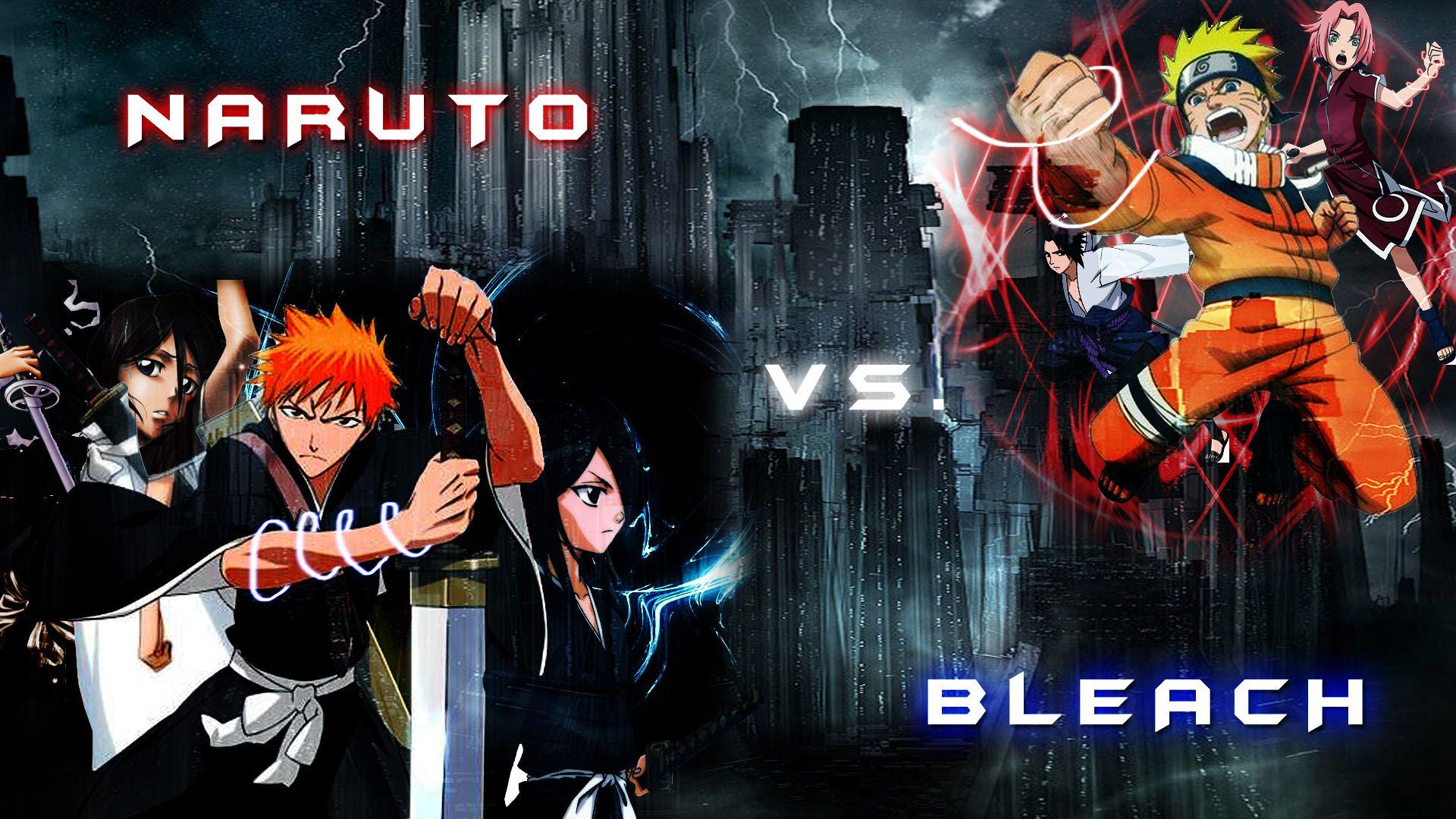
World-Building and Spiritual Lore
The universes of Naruto and Bleach excel in detailed mythology. Naruto builds a world where chakra flows through all living things, enabling ninjutsu, genjutsu, and taijutsu, while the hidden villages maintain a fragile balance of power. The concept of tailed beasts—massive chakra entities sealed within humans—adds layers of political and personal stakes, as characters wrestle with prejudice, identity, and the cycle of hatred. The lore feels grounded in its own rules, even as it explores philosophical questions about peace and revenge.
Similarly, Bleach constructs a meticulously layered afterlife system, with Soul Society, Hueco Mundo, and the human world intersecting in unexpected ways. Hollows, Arrancar, Quincy, and Shinigami each represent distinct spiritual hierarchies and moral ambiguities. The series delves into themes of soul purification, judgment, and the cost of power, often reflecting on how fear and misunderstanding drive violence. This rich backdrop allows for both intimate character moments and large-scale wars that feel consequential.
Art Style and Animation Choices
Visually, Naruto and Bleach adopt dynamic but distinct aesthetics. Naruto’s art emphasizes motion through bold lines and exaggerated expressions, with fight sequences that highlight speed, strategy, and raw emotion. The color palette often reflects characters’ moods, and the frequent use of training montages and tournament-style arcs reinforces themes of perseverance. Even in its later cinematic expansions, the series maintains a sense of gritty realism within its fantastical setting.

In contrast, Bleach leans into sleek, high-contrast designs with intricate uniform details and fluid combat choreography. The spiritual realms are rendered with architectural grandeur and ethereal lighting, creating a solemn yet thrilling atmosphere. While some fans debate the shifting art styles across its long run, the emphasis on stylish swordplay and elaborate ability names contributes to a unique identity. Both series use visual storytelling to amplify their themes, making each battle a narrative statement rather than mere spectacle.
Enduring Popularity and Cultural Impact
The legacies of Naruto and Bleach extend far beyond their original runs. Naruto has cultivated a devoted global fandom through its anime, movies, and the iconic spin-off Boruto: Naruto Next Generations, which explores the next generation’s struggles. Its catchphrases, character motifs, and themes of never giving up have seeped into broader pop culture, inspiring cosplay, fan art, and philosophical discussions about trauma and redemption.
Bleach similarly maintains a strong niche, with its music, video games, and continued interest in its unresolved plot threads keeping the story alive in fan discourse. The series’ exploration of family legacy, spiritual bureaucracy, and the ambiguity of heroism resonates with audiences seeking more than straightforward good-versus-evil tales. Together, Naruto and Bleach represent the pinnacle of character-driven shonen storytelling, proving that emotional depth and spectacular action can coexist.
Conclusion
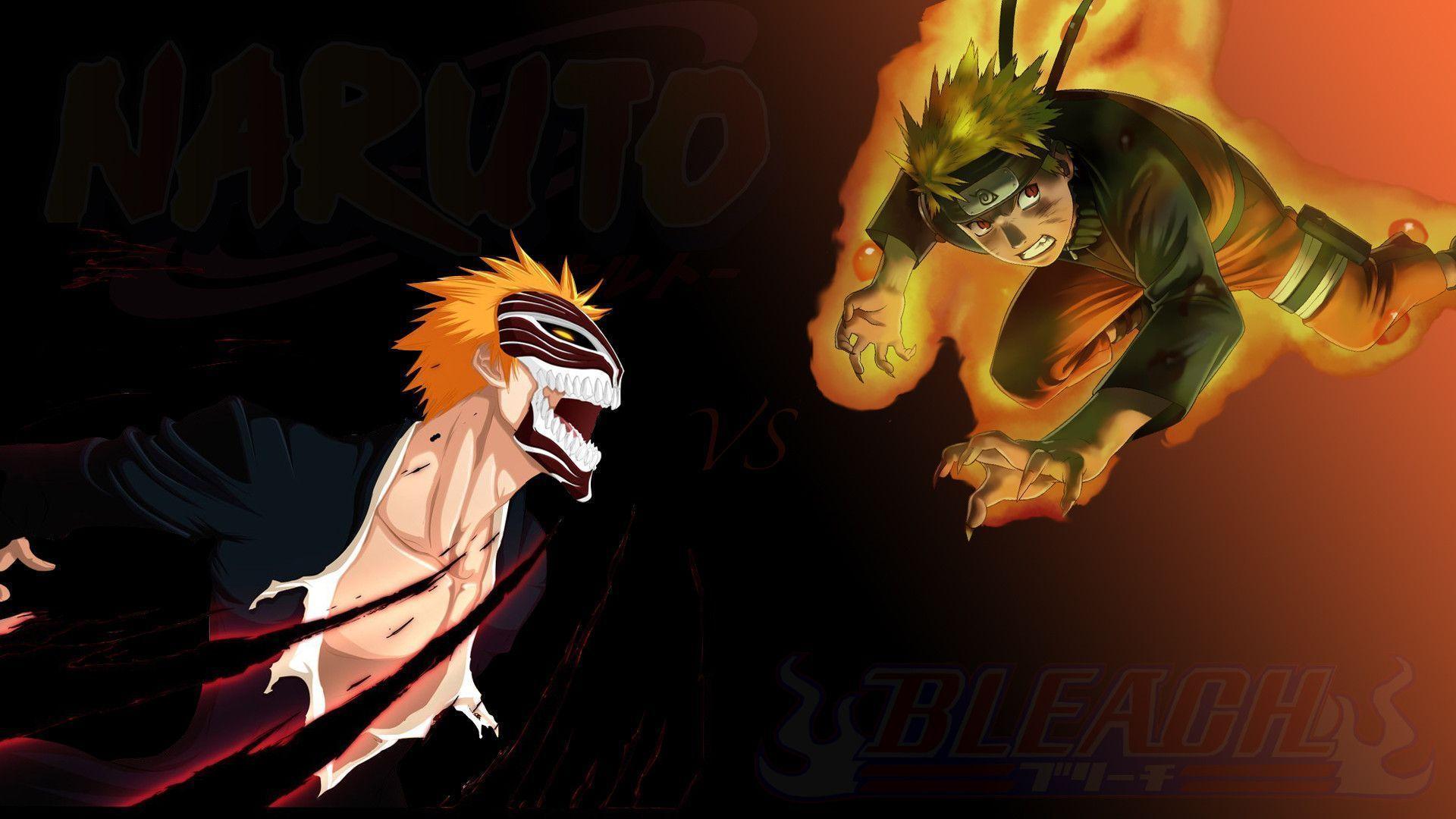
Whether you are drawn to Naruto for its heartfelt portrayal of outcasts finding purpose, or to Bleach for its gothic elegance and spiritual intrigue, both series offer immersive worlds that reward long-term engagement. They remind us that strength is forged through connection, that enemies can become allies, and that the fight for a better world is as much internal as external. For fans old and new, Naruto and Bleach remain cornerstones of animated storytelling, continuing to inspire and entertain across generations.
If Bleach was in Naruto
It's where Bleach spent last 10 years. Naruto wasn't very happy. The drawing tabled used: https://amzn.to/3poz5Dn #naruto ...
