Object Pronouns
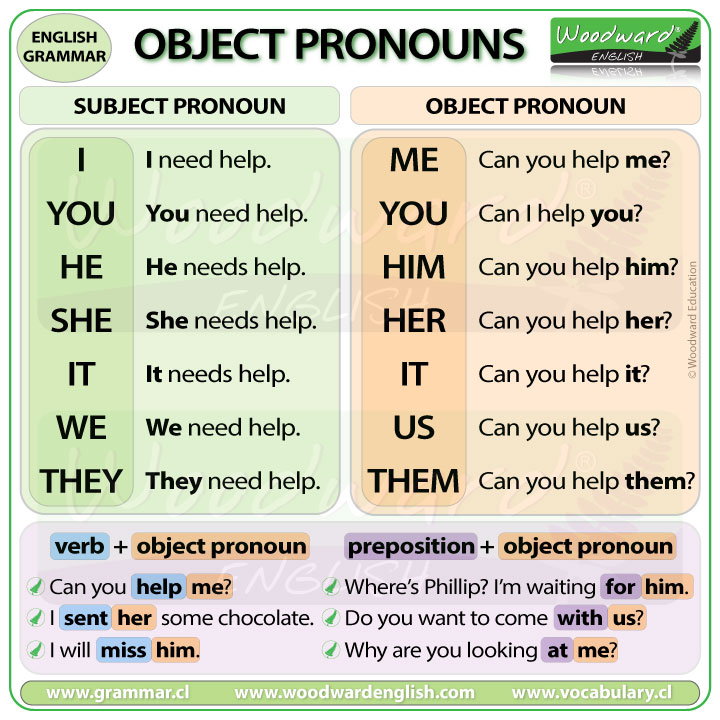
Understanding object pronouns is essential for speaking and writing with clarity, because these small words quietly tell us who receives the action of a verb.
What Are Object Pronouns and Why Do They Matter
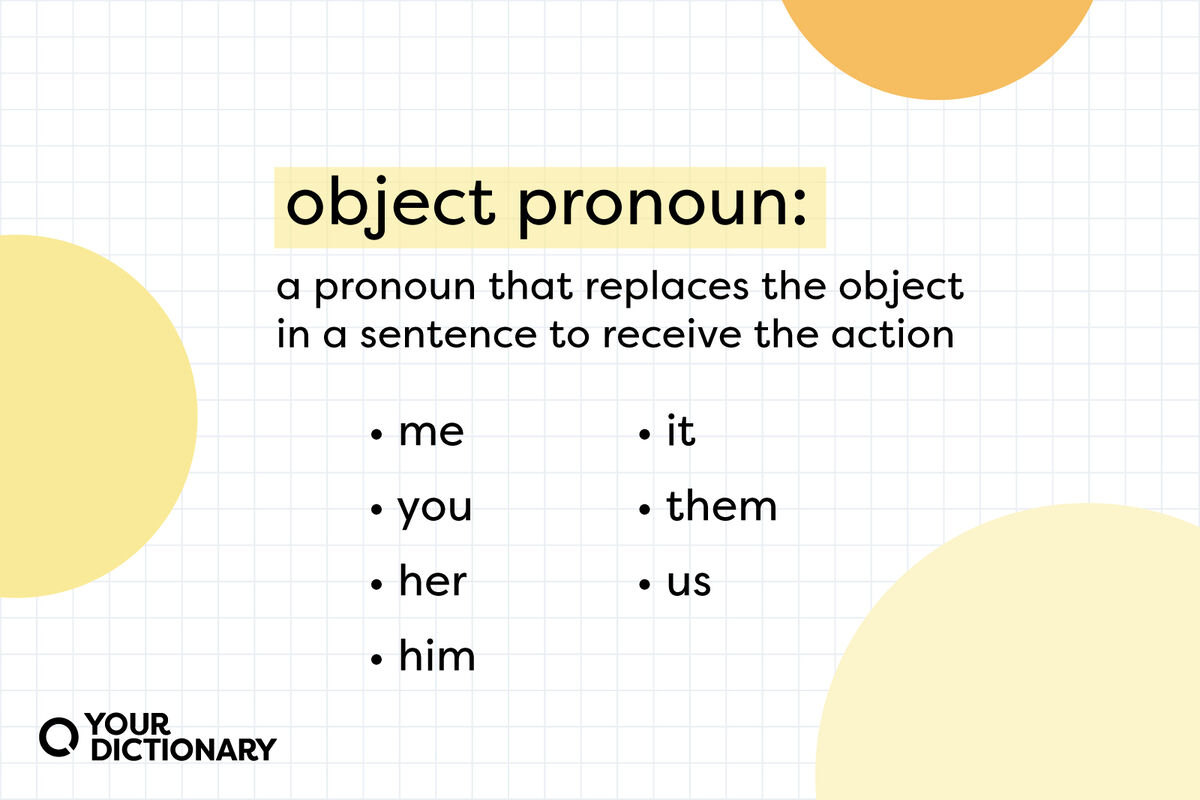
Object pronouns replace nouns that receive the action of a verb, such as her, him, them, us, and me. In everyday conversation, they keep sentences from becoming repetitive and bulky, letting you say I saw them
instead of I saw the children
again and again.
In both speaking and writing, using object pronouns correctly helps you sound natural and fluent while avoiding confusion about who or what is involved in the action.

Direct Objects vs. Indirect Objects: Spotting the Difference
A direct object answers the question what?
or whom?
after a transitive verb, and it is the noun or object pronouns that directly receives the action.
- She bought it.
- He told us a story.
- I mailed the package and later it arrived.
An indirect object, by contrast, answers to whom?
or for whom?
the action is done, and it usually sits between the verb and the direct object. When you use object pronouns for indirect objects, you place them in the same position to keep the sentence smooth and clear.
Common Object Pronouns in English and Their Uses
The core set of personal object pronouns includes me, you, him, her, it, us, and them, each playing a specific role depending on whether the noun is receiving the action directly or indirectly.
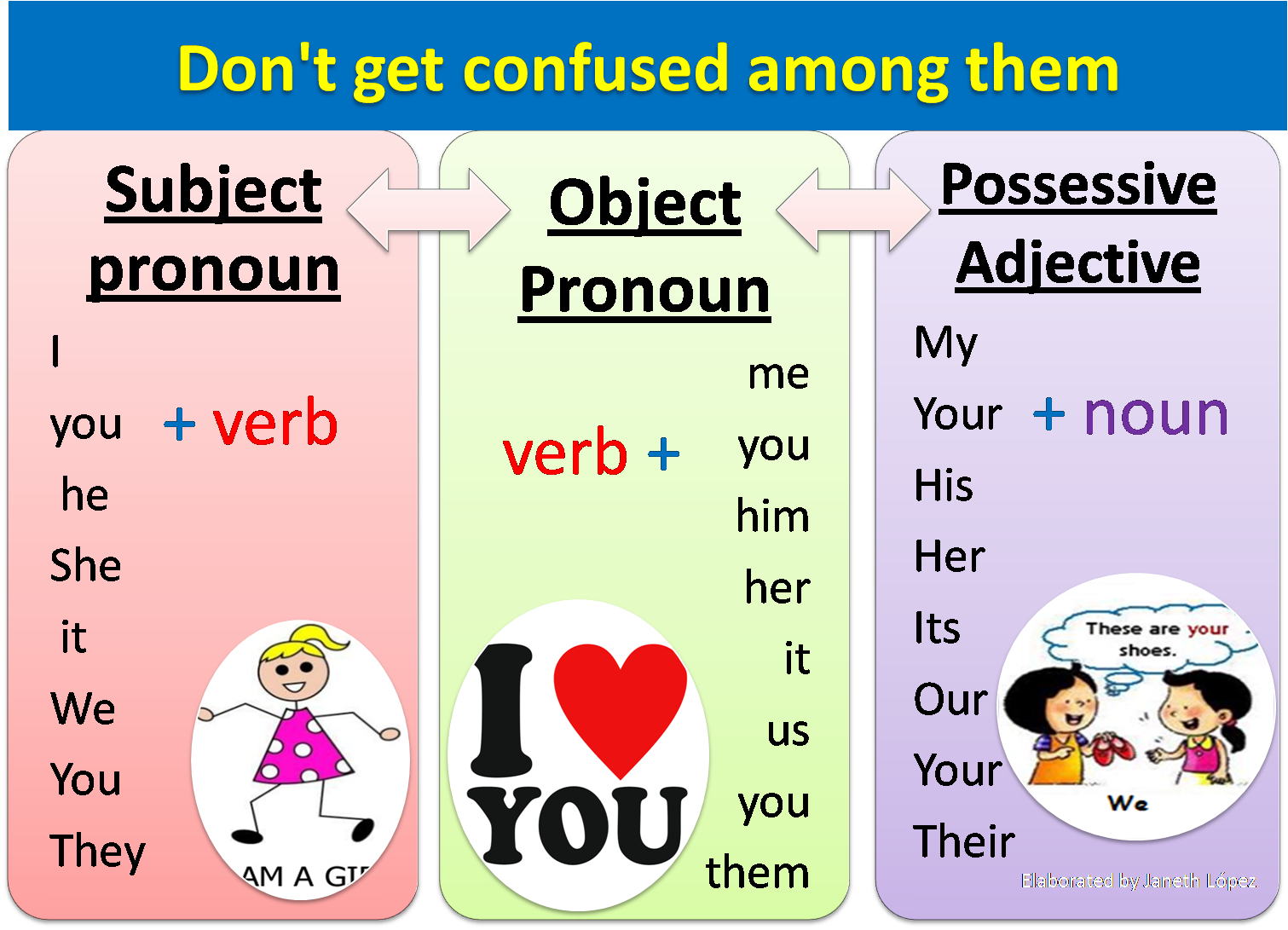
- Me and him are often the direct or indirect receivers in everyday sentences.
- Her and them frequently appear after prepositions, as in
with her
orfor them
. - It and us are versatile, covering both people and things in a wide range of contexts.
Mastering these forms lets you replace long noun phrases with tidy object pronouns, improving readability without losing meaning.
Common Mistakes and How to Avoid Them
One frequent error is confusing subject forms like she, he, and they with object forms such as her, him, and them, leading to sentences like Between you and I
instead of the correct Between you and me
.
- To test whether you need a subject or object pronoun, try removing the other person and keeping only the pronoun, then check if the sentence still sounds right.
- Pay special attention to compound subjects or objects, where the correct choice depends on the role of the pronoun, not its position in the list.
Another slip occurs after phrases like you and I
, where taking a moment to simplify the sentence usually reveals the right object pronouns form.

Object Pronouns in Questions, Commands, and Informal Speech
In questions, object pronouns often follow the verb or auxiliary, as in Who did you call her
or Can you help them
, preserving natural word order while keeping the focus on the receiver of the action.
Commands and informal requests also rely on implied subjects and visible object pronouns, such as Pass me
or Tell her
, where the direct object pronoun clearly indicates who or what is involved.
Even in casual speech, using the correct object pronouns keeps your message precise, preventing misunderstandings that can arise from vague or ambiguous references.
Object Pronouns Across Contexts and Practice Tips
In storytelling, emails, instructions, and everyday conversation, object pronouns help you refer back to people and things without repeating long names or phrases, making your communication more efficient.
- Rewrite long sentences by replacing repeated nouns with appropriate object pronouns and notice how the text becomes smoother.
- Listen for how speakers use me, you, him, her, it, us, and them in movies, podcasts, or conversations, then mimic those patterns in your own practice.
- Check your writing by highlighting pronouns and confirming that each one clearly points to its intended receiver of the action.
With consistent attention, choosing the right object pronouns becomes an automatic habit that boosts your clarity and confidence in any situation.
Conclusion
Using object pronouns accurately sharpens your grammar, reduces repetition, and makes your speech and writing more natural, so taking time to practice these small but powerful words pays off in everyday communication.

Object Pronouns – English Grammar Lessons
Object pronouns are very common in English! In this video, you will learn all the object pronouns English has. You will also ...
