Patagonia Region Argentina
The Geography and Landscape of Patagonia Argentina
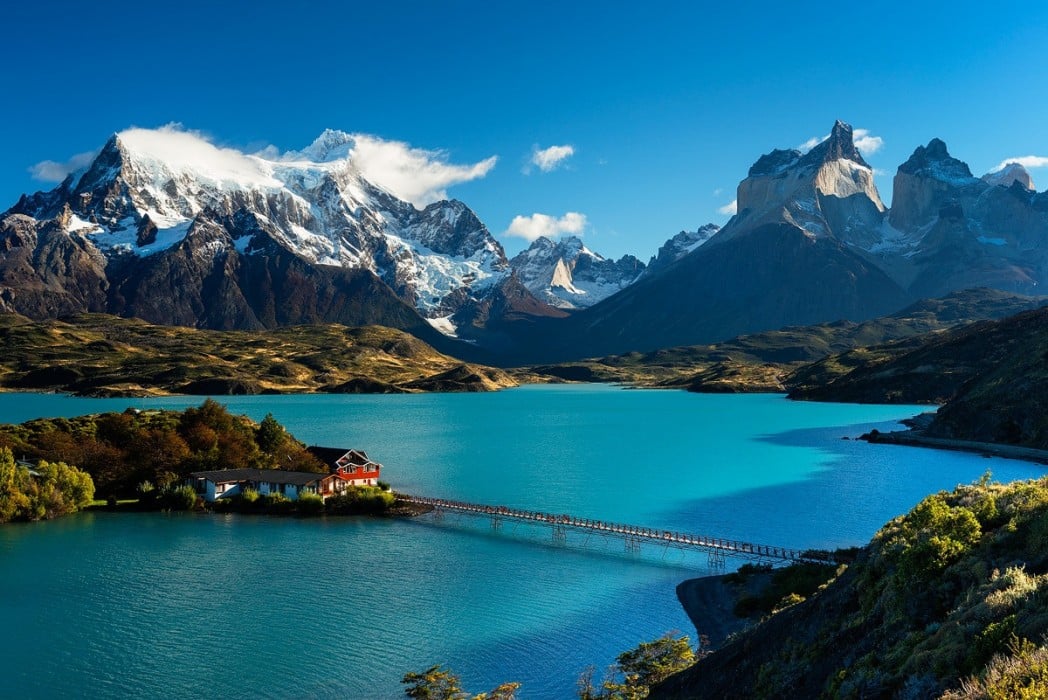
Geographically, Patagonia Argentina occupies the southern portion of South America, extending from the Andes Mountains in the west to the Atlantic coast in the east and down toward the islands of Tierra del Fuego. This region includes diverse provinces such as Neuquén, Río Negro, Chubut, Santa Cruz, and the eastern reaches of Tierra del Fuego, each contributing its own distinct character to the broader Patagonian identity. Towering peaks, deep glacial lakes, and wide open plains create a patchwork of environments where the forces of ice, wind, and water continue to shape the land in visible, dramatic ways.
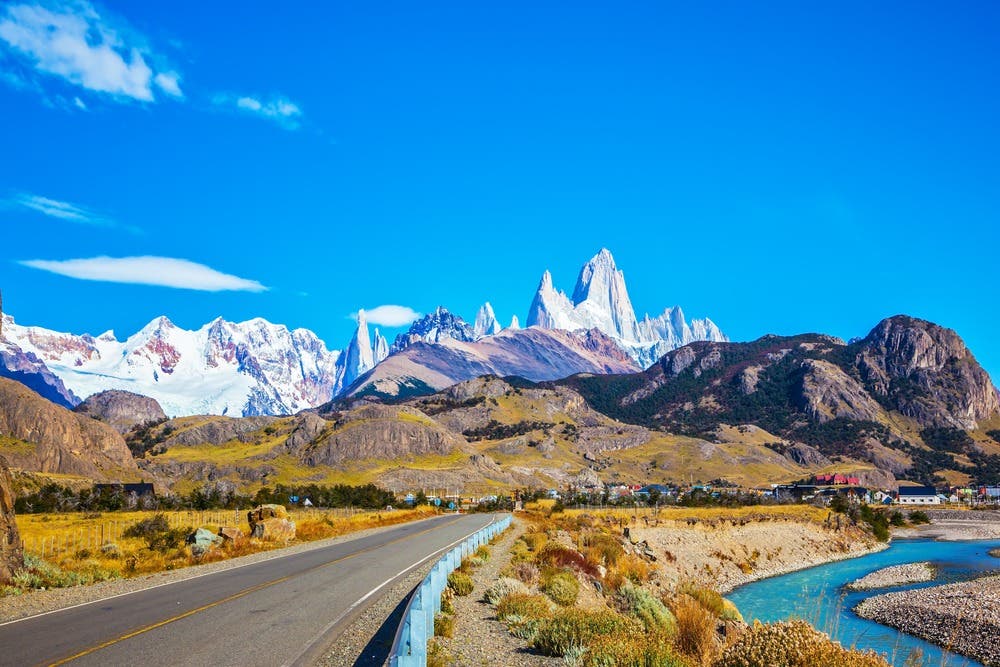
Traveling through this landscape, you notice how the scenery shifts dramatically within a single day, from near-tropical forests in the Andean foothills to windswept steppe and finally to the icy front of massive glaciers. The Andes provide a dramatic backdrop, their jagged summits often crowned with snow, while broad valleys and rivers carve routes that connect remote lakeside villages with distant mountain refuges. In many parts of Patagonia Argentina, the sense of isolation is profound, yet this very openness creates a feeling of limitless space where horizons stretch further than the eye can see.
Must-Visit Destinations and Iconic Sights
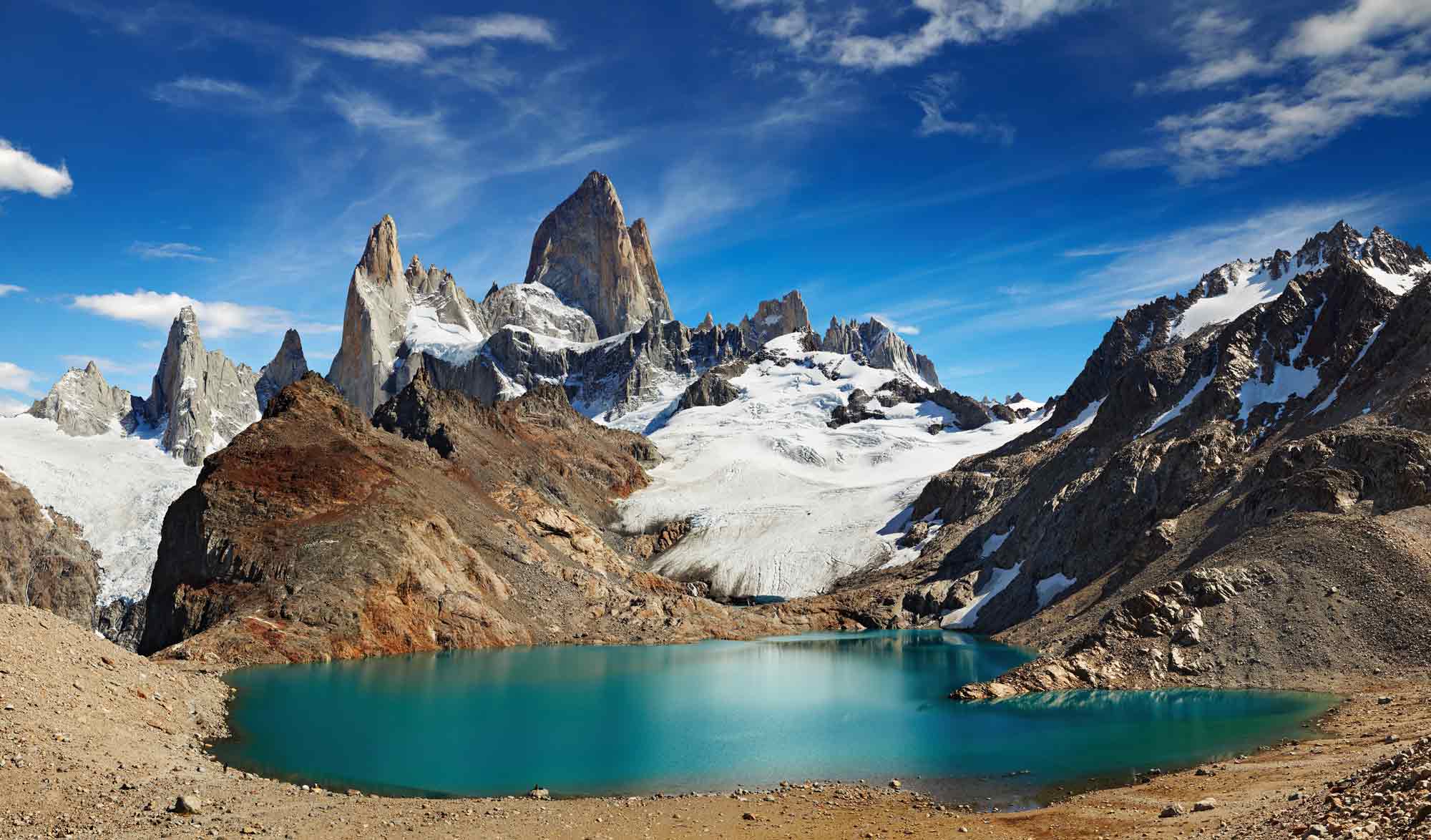
Among the most celebrated destinations in Patagonia Argentina, El Calafate stands out as a gateway to the legendary Perito Moreno Glacier, one of the few advancing glaciers in the world. Visitors can walk along elevated trails, hear the thunderous calving of ice, and watch enormous blue fragments crash into the waters of Lake Argentino, a true spectacle of natural power. Nearby, the charming town of El Chaltén serves as a base for trekkers who want to explore stunning trails beneath the jagged silhouette of Mount Fitz Roy, with viewpoints that reveal ever-changing perspectives of rock, ice, and sky.
Further south, Ushuaia claims the title of the world’s southernmost city, offering access to Tierra del Fuego National Park and the Beagle Channel, where sea lions, penguins, and countless seabirds share the waters with passing vessels. In the heart of the steppe, the scenic route known as Ruta 40 reveals lonely estancias, wind-sculpted trees, and vast skies that change color with every passing hour, while the coastal towns along the Atlantic showcase dramatic cliffs, wide bays, and the playful antics of marine wildlife.
Outdoor Activities and Adventure Experiences
For outdoor enthusiasts, Patagonia Argentina is a playground with few equals, offering activities that range from gentle walks to serious mountaineering expeditions. Hiking trails wind through national parks such as Los Glaciares, Nahuel Huapi, and Tierra del Fuego, providing opportunities to cross rivers, pass through lenga forests, and emerge onto ridges with panoramic views of glaciers and lakes. Kayaking allows you to glide silently between icebergs, while multi-day treks challenge your endurance and reward you with campsites beneath some of the clearest night skies in the world.
During the colder months, skiing and snowboarding become the focus, with world-class resorts near Bariloche and Cerro Catedral attracting visitors who appreciate long descents, powder snow, and cozy mountain lodges. Wildlife watching is another highlight, with chances to spot guanacos, rheas, foxes, and, with luck, the elusive puma along less-traveled routes. Whether you prefer a relaxed lakeside stroll or a demanding climb to a high mountain pass, the variety of experiences in Patagonia Argentina ensures that active travelers rarely run out of ways to explore.
Culture, History, and Local Traditions
Beyond its natural wonders, Patagonia Argentina carries a rich cultural heritage shaped by indigenous communities, waves of immigration, and the distinctive lifestyle of gauchos and frontier settlers. Mapuche, Tehuelche, and other native groups have left deep imprints on the region’s place names, crafts, and spiritual traditions, while European arrivals introduced new languages, foods, and architectural details that blend into the local character. In small towns and rural estancias, you can still experience traditional asados, folk music, and storytelling sessions that preserve the memory of a resilient, resourceful people.
Understanding this layered history enriches every journey, turning a scenic visit into a more meaningful encounter with the land and its inhabitants. Museums, cultural centers, and local guides share stories of early explorations, labor movements, and the enduring ties between people and the often-challenging environment. By engaging respectfully with communities and supporting locally run tours and accommodations, travelers help ensure that these traditions continue to thrive alongside the region’s extraordinary landscapes.
Practical Tips for Planning Your Visit
Planning a trip to Patagonia Argentina involves considering the region’s variable climate, long distances, and the need to book key services in advance, especially during the peak southern summer from December to February. Travelers often find it helpful to structure their route around a few hubs, using Bariloche, El Calafate, or Ushuaia as bases while allowing flexible time for weather-related changes in plans. Packing layers, waterproof gear, sturdy footwear, and sun protection is essential, since conditions can shift quickly from bright sunshine to cold rain or wind.
Responsible travel practices are particularly important in this fragile environment, so choosing operators that prioritize sustainability, minimizing waste, and respecting wildlife guidelines can make a significant difference. By planning carefully, staying informed about local conditions, and approaching each day with curiosity and caution, visitors can enjoy a safe and deeply rewarding experience in one of the world’s most remarkable regions, where every horizon seems to promise a new discovery.
Conclusion
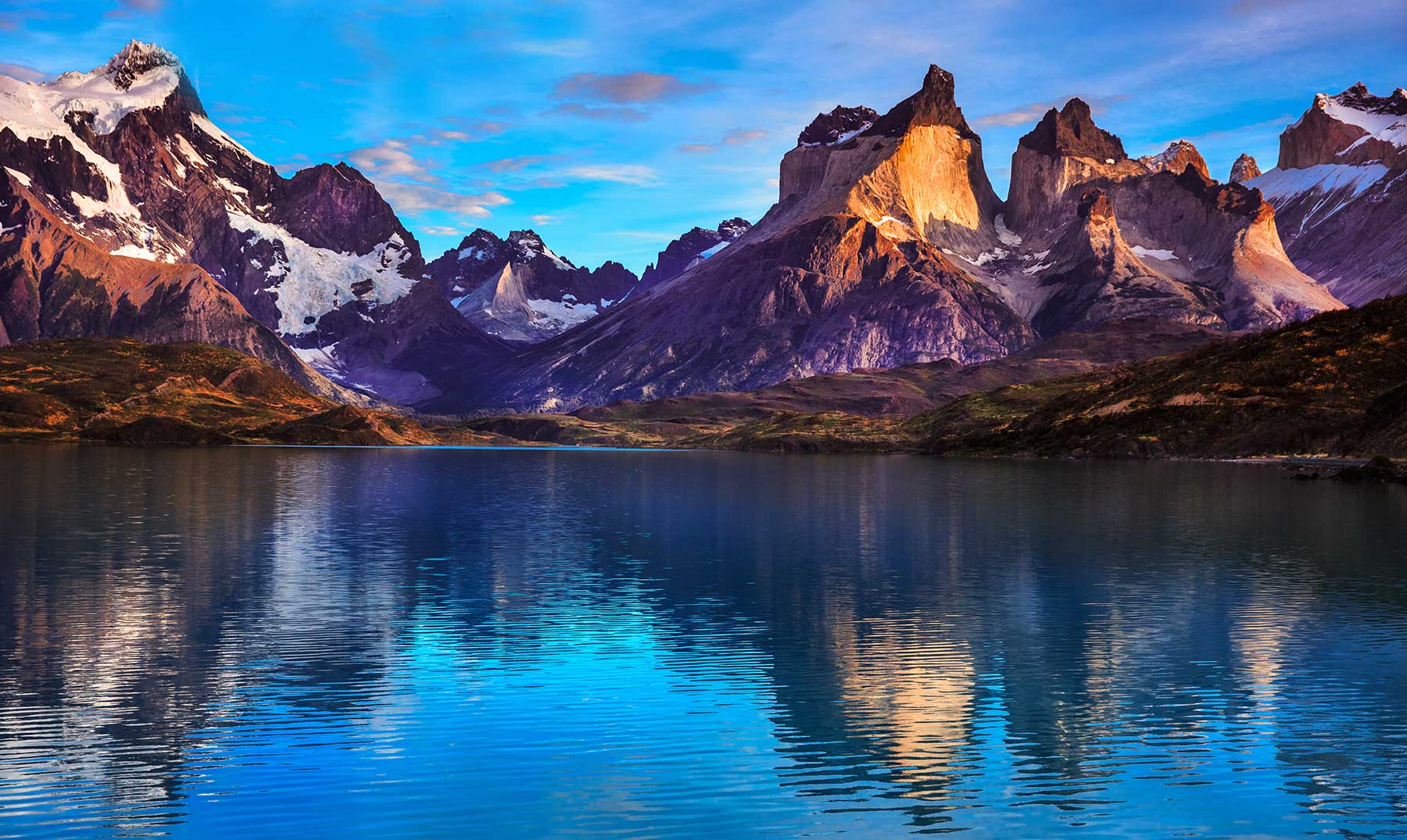
The Patagonia region Argentina stands as a place where nature commands attention and inspires a lasting sense of wonder, with its soaring peaks, immense glaciers, and wide open spaces inviting exploration at every turn. From thrilling outdoor adventures to quiet moments watching the sun set behind a snow-covered ridge, the memories formed here carry the power to change your perspective on beauty, remoteness, and time. By traveling thoughtfully and engaging with the land and its communities, you become part of a continuing story of discovery, protection, and appreciation for one of the world’s most extraordinary corners of the Earth.
PATAGONIA, CHILE & ARGENTINA (2025) | Highlights on a Patagonia Trip (2-3 Week Travel Itinerary)
Patagonia is a vast region at the southern tip of South America and is shared by both Argentina and Chile. It's home to dramatic ...
