Pixel Art In Games
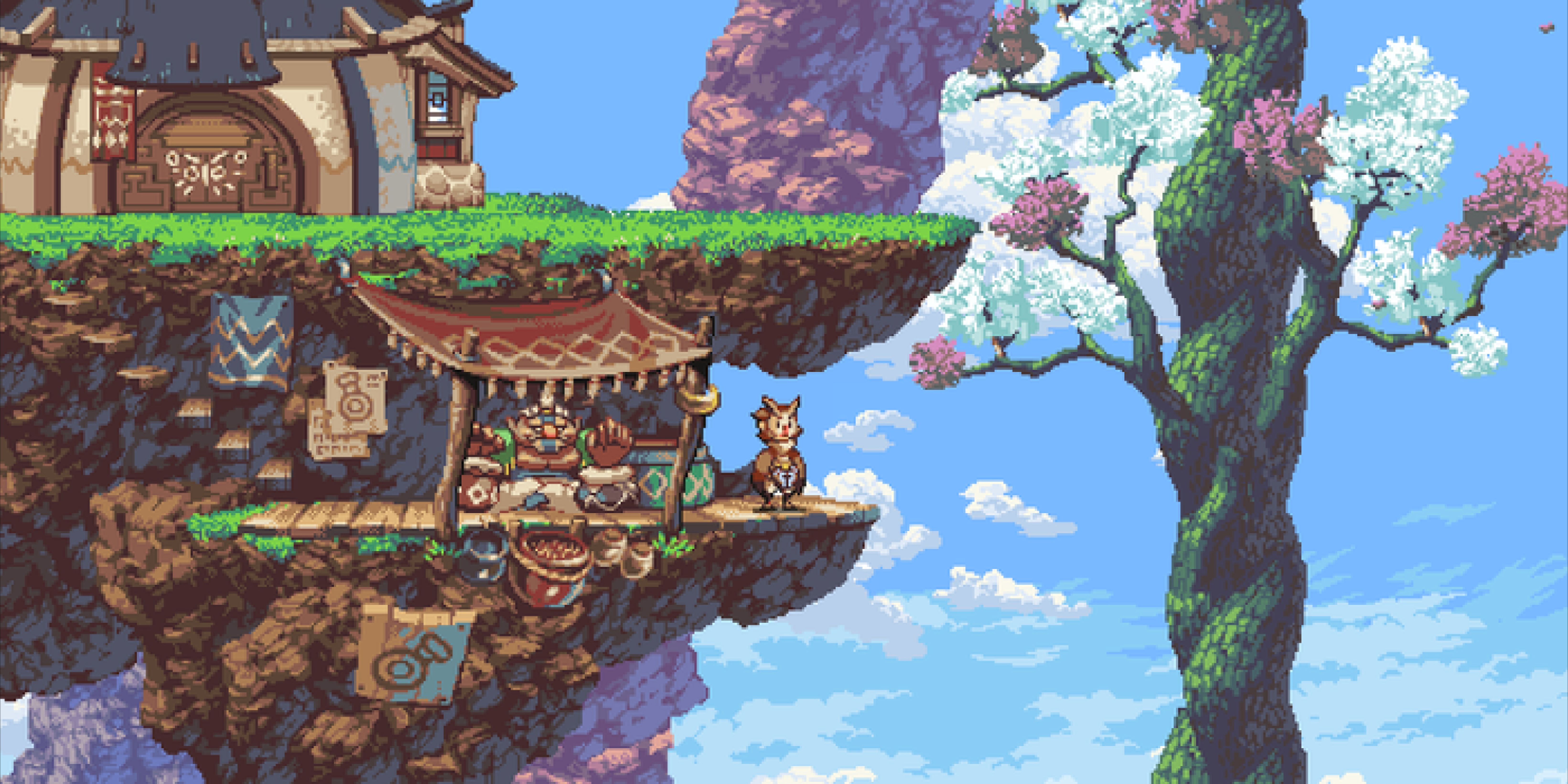
Pixel art in games captures hearts with its nostalgic charm, proving that tiny squares can build unforgettable worlds.
The Roots of Pixel Art in Games
Pixel art emerged from the technical limits of early hardware, where memory, processing power, and display resolutions forced developers to express a lot with very little. Instead of smooth gradients and complex models, artists used deliberate pixels, careful color choices, and clever shading to suggest form, motion, and personality. Those constraints became creative tools, and the resulting visuals defined a generation of gaming aesthetics. Iconic characters, interfaces, and backgrounds from the 8-bit and 16-bit eras remain instantly recognizable, showing how powerful restrained design can be.
As hardware improved, many assumed pixel art would fade away, yet it has persisted and even thrived. Modern tools allow huge, detailed worlds, but creators return to pixels for clarity, readability, and a sense of intentionality. The style is not simply a relic; it is a deliberate artistic choice that shapes how players read space, timing, and movement. From indie experiments to polished commercial releases, pixel art in games continues to evolve while honoring its low-resolution origins.
Why Pixel Art Still Resonates with Players
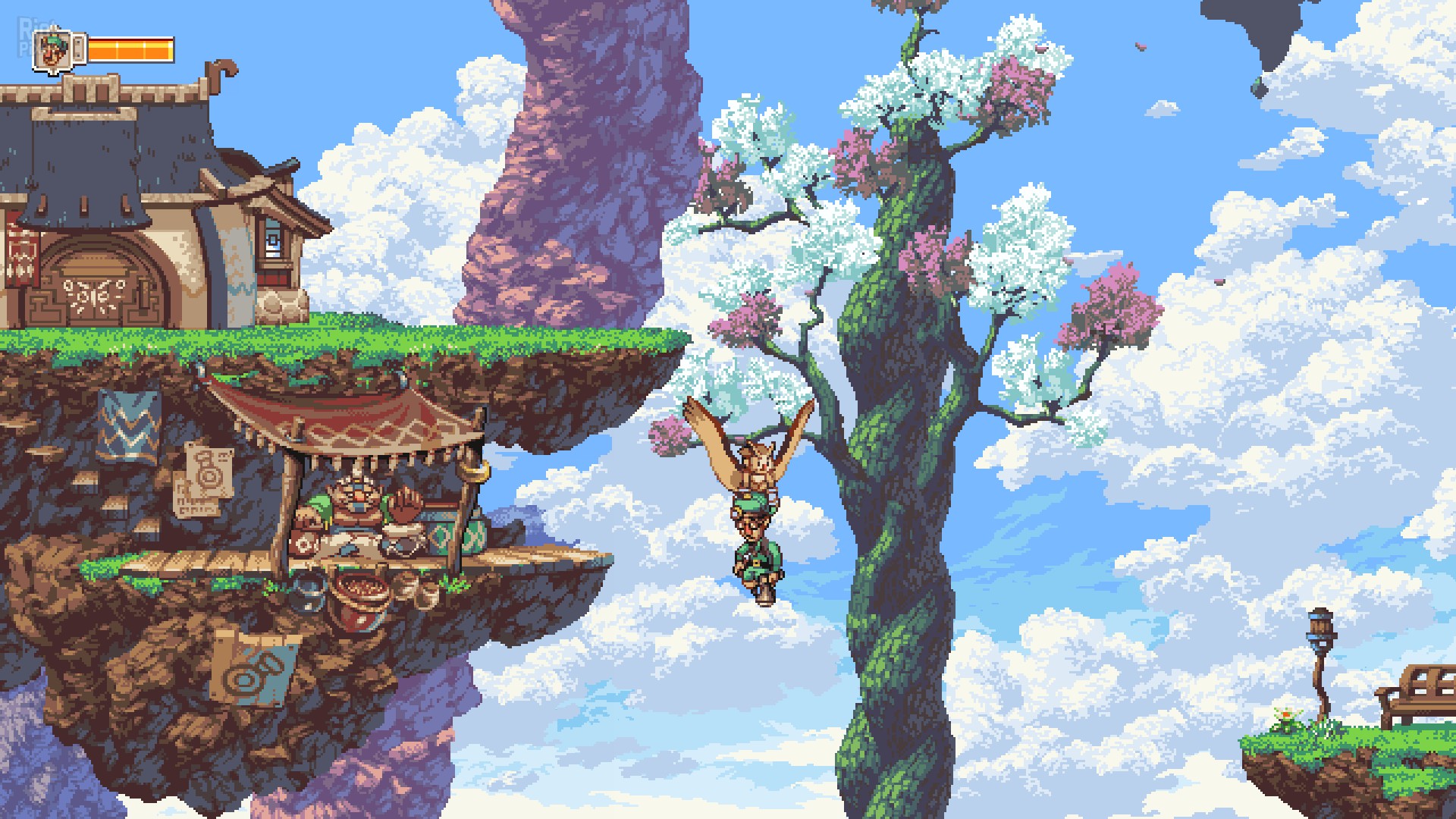
One reason pixel art endures is its strong identity at small sizes, making it ideal for clear UI, readable animations, and fast-paced action. Even on high-resolution screens, well crafted pixels remain legible, so players can quickly understand character roles, health states, and environmental cues. This legibility is crucial in competitive genres, where split second decisions depend on instantly readable information.
Emotionally, pixel art can feel intimate and human, because each tiny brushstroke suggests the artist’s hand. Limited colors and simple shapes invite players to project their own imagination onto the world, filling gaps with personal memories and interpretations. The slight abstraction of pixels can also make fantastical settings more approachable, softening realism while keeping expressive character expressions and playful details.
Design and Technical Considerations for Pixel Art Games
Creating compelling pixel art demands more than placing random pixels; it requires an understanding of silhouette readability, color theory, and animation rhythm. Artists often start with clean outlines, then refine internal shading to define volume without overwhelming the small canvas. Strong silhouettes ensure that characters and objects are recognizable even at a glance, which is essential for intuitive design in games.
- Focus on clear silhouettes so shapes are readable at a distance.
- Use a limited palette to maintain visual cohesion and reduce file size.
- Employ dithering carefully to simulate gradients without muddying details.
- Plan animation cycles in advance to keep motion smooth and purposeful.
Technically, pixel art games benefit from modest hardware requirements, which can broaden accessibility across devices and regions. Developers can target lower end machines while still delivering polished visuals, and they can scale art for different screens with relatively little overhead. This efficiency frees resources for tight controls, responsive feedback, and engaging level design, all of which amplify the strengths of the pixel aesthetic.
Pixel Art in Different Genres, from Platformers to Strategy
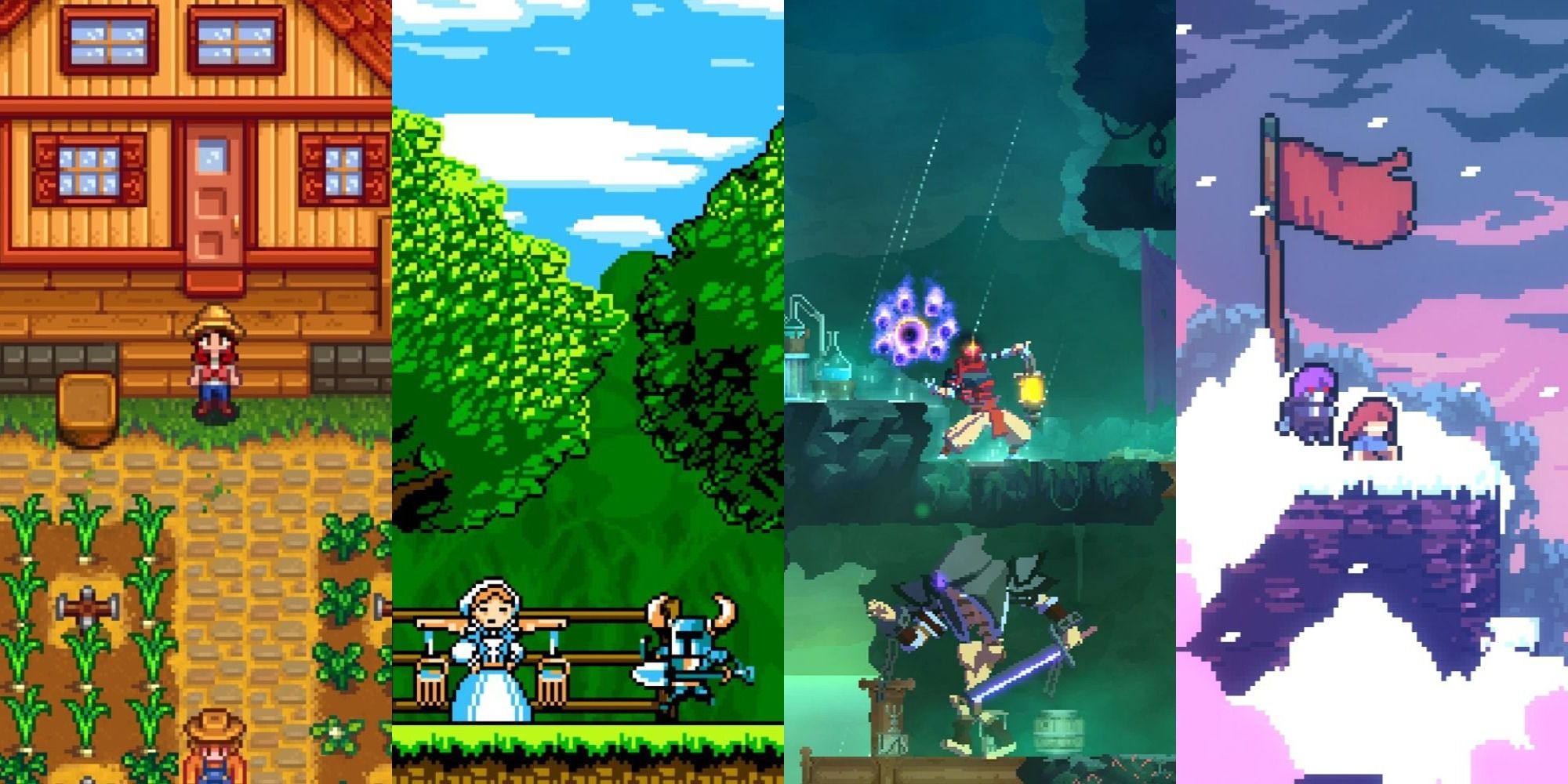
Pixel art adapts remarkably well across genres, from tight platformers where precise jumps depend on readable terrain, to sprawling strategy games where armies of small sprites must stay distinct on the battlefield. In action games, crisp animations communicate attacks, hitboxes, and timing windows, while in adventure titles, detailed environments encourage exploration and curiosity. The style also shines in narrative driven experiences, where expressive characters and moody color schemes can hint at tone without explicit exposition.
Even modern genres like roguelikes, simulation games, and tactical shooters benefit from pixel art, using it to create cohesive visual languages that unify countless assets. Because pixels can be scaled and animated consistently, developers can maintain a stable identity through updates, expansions, and cross platform releases. This versatility explains why pixel art in games spans indies and major studios alike, proving the style is not a niche trend but a lasting medium.
Community, Culture, and the Future of Pixel Art
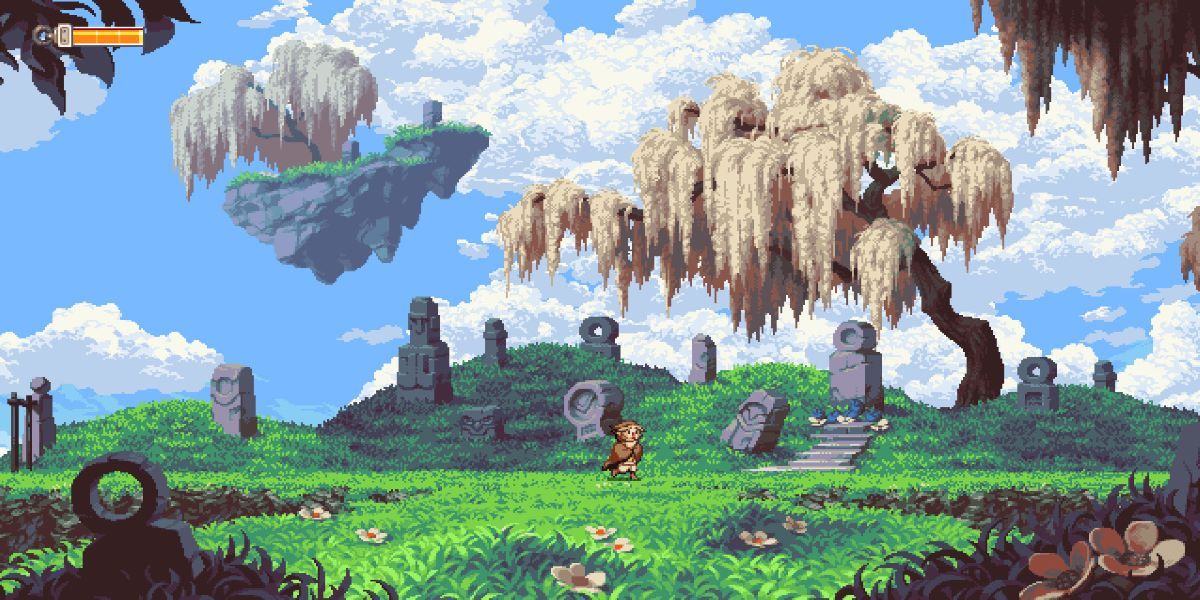
Online communities, art streams, and social platforms have fueled a renaissance in pixel art, connecting artists who share techniques, palettes, and feedback. Challenges, pixel art exchanges, and collaborative projects encourage experimentation and help newcomers refine timing, spacing, and color choices. This culture keeps the style fresh, as each generation of artists remixes classic techniques with contemporary themes and technologies.
Looking ahead, pixel art in games will likely continue to coexist with hyper realistic graphics, offering players a distinct alternative that values clarity, charm, and intention. As virtual reality, mobile gaming, and experimental hardware evolve, the strengths of pixel art readability, performance efficiency, and emotional resonance will remain valuable. By balancing tradition with innovation, artists and developers will keep this timeless style alive and inspiring for years to come.
O ÚNICO guia de Pixel Art que você precisa (do iniciante ao avançado)
Baixe o GameMaker GRATUITAMENTE em https://opr.as/GM-JuniperDev1 Quer aprender a fazer uma boa pixel art? Este vídeo fala ...
