Power Hungry Pets

Power hungry pets are often the unseen rulers of the house, quietly dictating routines and bending human habits to their will.
The Hidden Thirst for Control in Companion Animals
When we talk about power hungry pets, we are not referring to literal domination in the political sense, but rather to the strong-willed individuals who insist on having things their way. These animals display a clear preference for control, whether that means choosing when to be fed, deciding who is allowed on the couch, or enforcing strict greeting rituals the moment you walk through the door. Recognizing this trait is the first step toward building a balanced relationship, because understanding the root of the behavior helps you respond with structure rather than frustration.
In many cases, a power hungry pet is simply an intelligent pet that has learned, often unintentionally, that certain actions result in desired outcomes. A dog that rushes to the door and barks until you let them out has discovered that their impatience opens gates, while a cat that sits on your keyboard until you stop working has realized that physical presence halts productivity. This kind of conditioning is common, and it can affect any species, from dogs and cats to birds and small mammals, especially when boundaries have not been clearly defined from the start.

Signs That Your Pet Is Testing Boundaries
Spotting a power hungry pet is usually easy once you know what to look for, because the behaviors are often repetitive and centered around getting their way. You might notice pushy greetings where your pet rushes ahead and ignores your attempts to pet them on your terms, or demanding vocalizations that only stop when you comply with their request. Resource guarding, whether it is over food, toys, or even a favorite spot on the sofa, is another classic indicator that an animal feels the need to control valuable objects and spaces.
Other common signs include refusal to follow basic cues, such as ignoring a sit or stay command when it is inconvenient for them, or creating physical barriers like placing a toy in your path to demand interaction. Some pets escalate to more dramatic tactics, such as persistent pawing, whining, or even gently biting clothing until movement begins. If you observe several of these patterns consistently, it is likely that your companion is not being stubborn out of defiance, but rather asserting their personal agenda because they have not yet learned a more acceptable way to communicate needs.
Why Structure Matters for Strong-Willed Companions
Structure is the foundation of good behavior for power hungry pets, because clear rules and predictable consequences give them a sense of security. Animals that live in chaotic environments, where rules change from day to day, often feel the need to take charge simply because no one else is providing reliable leadership. Consistent expectations, delivered with calm confidence, help these pets understand that they do not need to constantly push limits to feel safe and cared for.

Establishing routines around feeding, walks, play, and rest teaches your pet that good things happen when the world operates on a schedule, rather than when they demand immediate gratification. For example, requiring a brief sit before opening a door or placing a bowl down reinforces the idea that polite behavior earns rewards. Over time, this gentle guidance replaces the need for constant testing, because your pet learns that trust and cooperation lead to the same outcomes much faster than pushiness ever could.
Training Techniques That Respect Their Intelligence
Working with a power hungry pet does not mean suppressing their personality; it means channeling their energy into constructive behaviors that fit within human expectations. Positive reinforcement is one of the most effective approaches, because it rewards the specific actions you want to see repeated, such as waiting patiently or greeting calmly. Clicker training, verbal praise, and tasty treats can all be used to mark and reinforce those moments, turning everyday interactions into low-pressure learning sessions.
It is also important to provide both mental and physical outlets, because a bored pet is far more likely to invent their own jobs, many of which involve controlling the household. Puzzle feeders, scent games, and structured training drills can satisfy a clever dog or curious cat without overwhelming them. Short, frequent sessions that end on a positive note keep motivation high and prevent burnout, ensuring that your pet remains engaged rather than resentful. Remember that progress is usually gradual, so celebrate small victories and adjust your techniques as you learn what resonates most with your companion.
Managing the Environment to Reduce Power Struggles
Even well-trained pets can revert to pushy habits if their surroundings invite that behavior, which is why thoughtful environmental management is essential. Using baby gates, closed doors, and designated quiet spaces can prevent unwanted access to certain rooms and help your pet understand that some areas are off-limits unless invited. Placing food and high-value toys in secure locations reduces the opportunities for resource-based testing and minimizes conflicts, especially in multi-pet households.
You can also set up clear visual cues, such as a mat or rug that indicates when it is okay to approach, or a leash tether that gently reminds your pet to stay close without feeling confined. By designing your home with intention, you make the right choices easier for your pet and reduce the number of times you have to say no. Over time, these small adjustments create a calmer household where your power hungry pet feels secure without needing to constantly assert control.
When to Seek Professional Guidance
If your efforts to establish structure and reinforce positive behavior are not leading to noticeable improvements, it may be time to consult a professional trainer or veterinary behaviorist. Some power hungry pets have underlying anxiety or medical issues that amplify their need for control, and these factors require expert assessment. A qualified professional can observe your pet in context, identify subtle triggers, and design a customized plan that addresses both the behavior and its emotional roots.

Working with an expert is especially valuable if you notice escalating aggression, intense fear, or self-harming behaviors, because these situations can become unsafe without targeted intervention. With the right guidance, you can transform a tense household dynamic into a cooperative partnership built on mutual respect. Ultimately, managing a power hungry pet is about balance, providing firm but fair leadership that allows their confident personality to shine in healthy, harmonious ways.
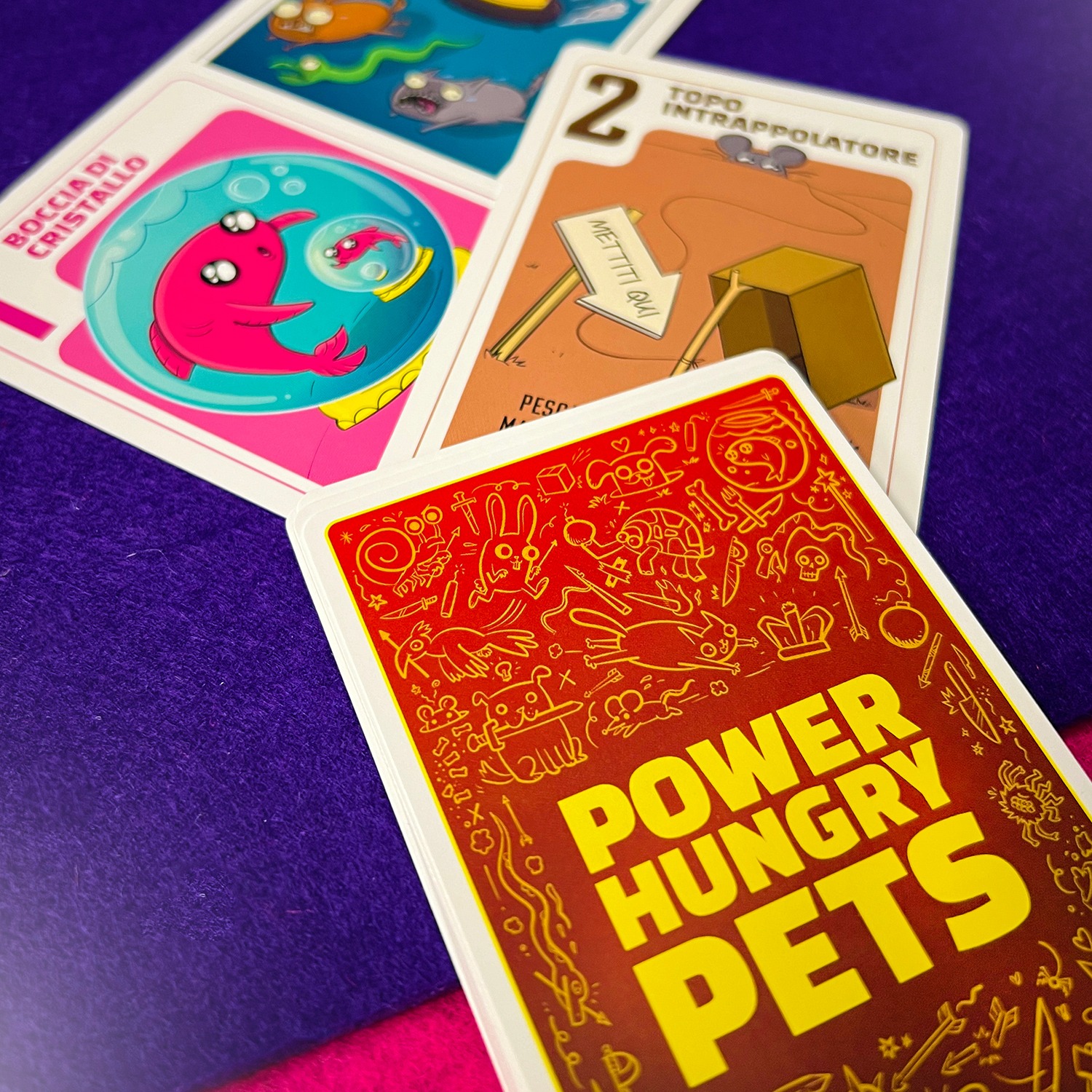
Power Hungry Pets by Exploding Kittens - How To Play
A strategy game for people who hate strategy games, Power Hungry Pets is a reimagining of Love Letter™ from Z-Man Games.
