Present Continuous
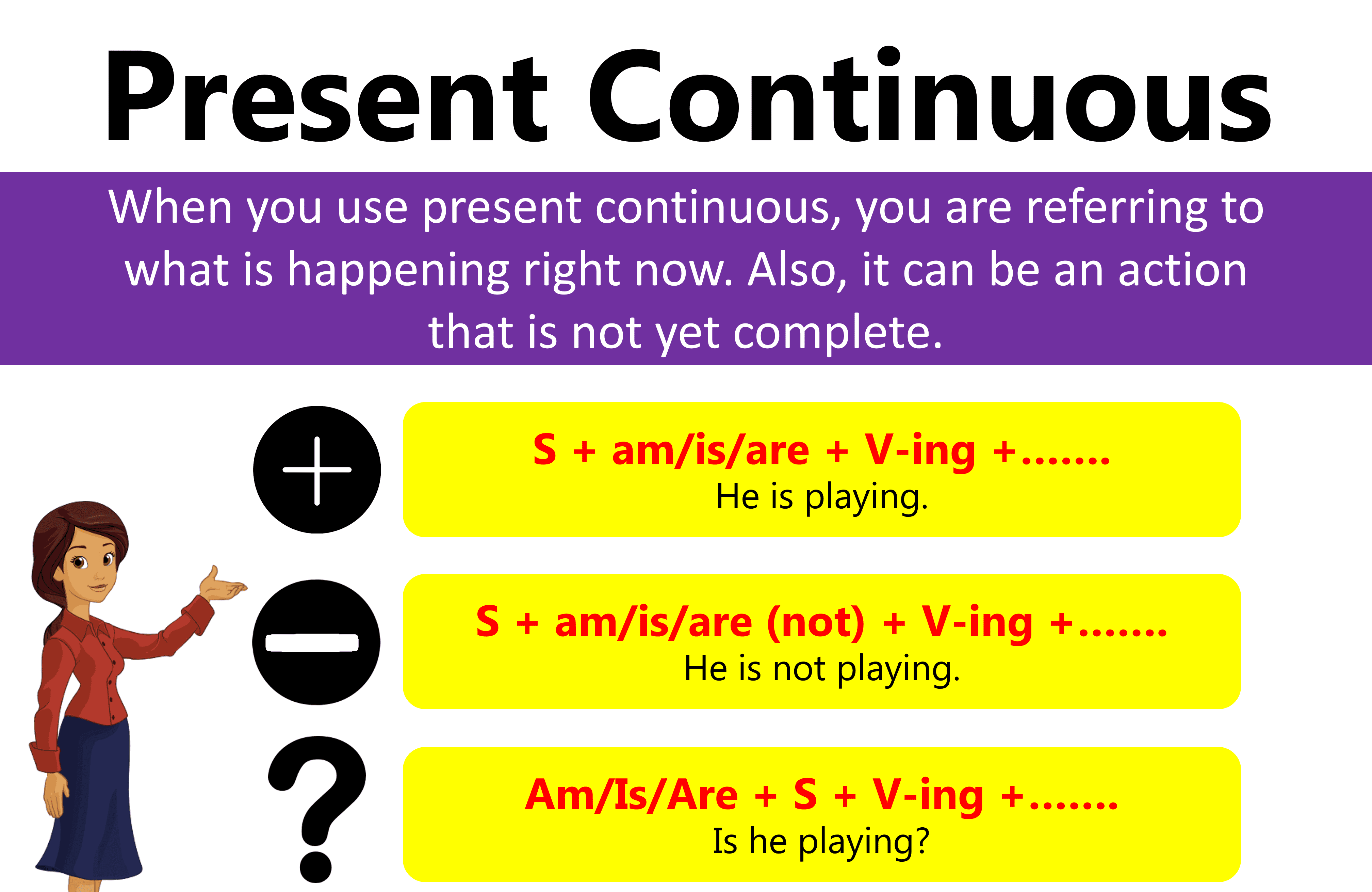
Understanding the present continuous is essential for describing actions that are happening right now, at this moment in time.
What is the present continuous and how is it formed?
The present continuous, also known as the present progressive, is a verb tense we use to talk about actions that are in progress at the exact time of speaking. It helps us describe temporary situations, ongoing processes, and actions that are not finished yet. This tense is very common in daily conversation because it reflects the immediate 'now' in a vivid way.
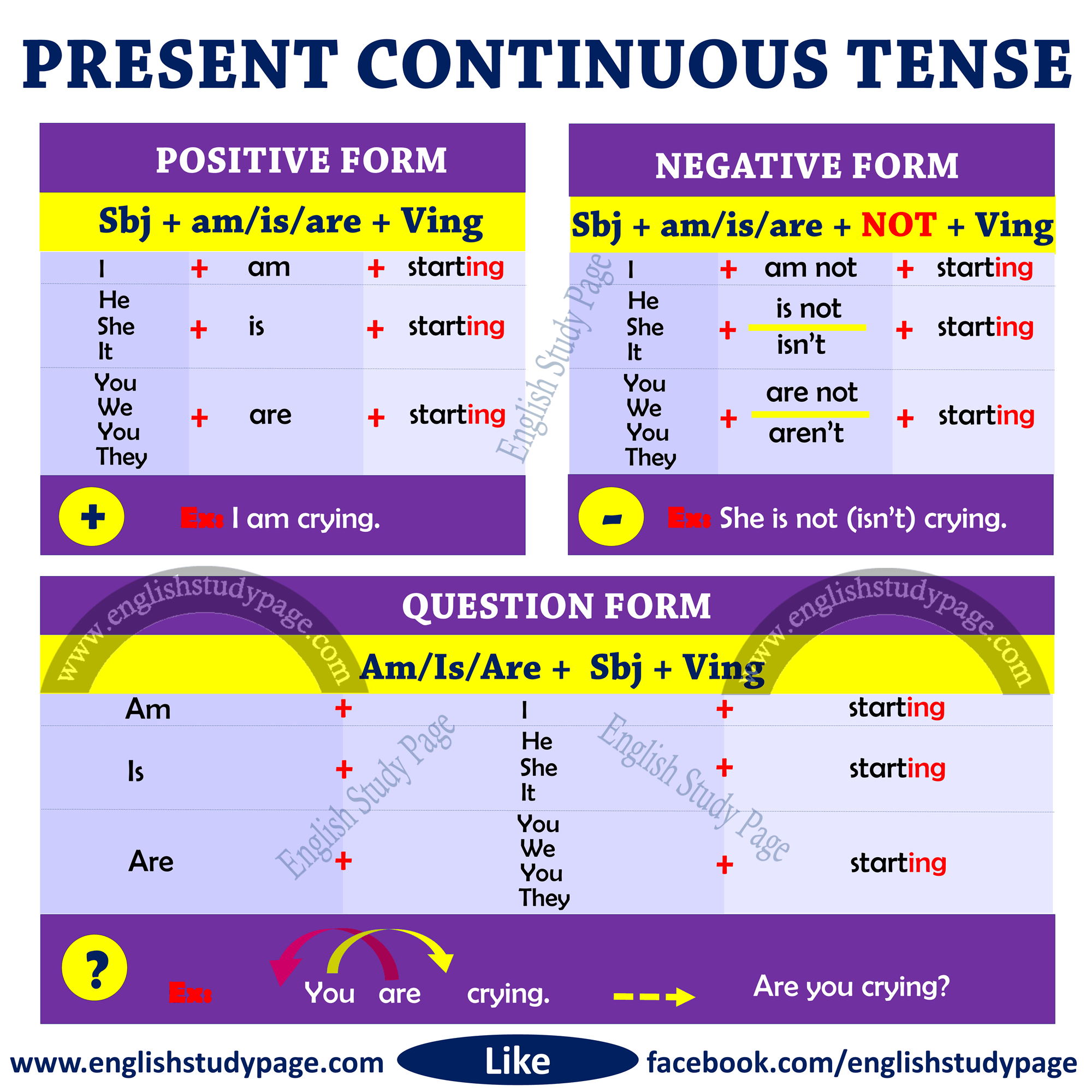
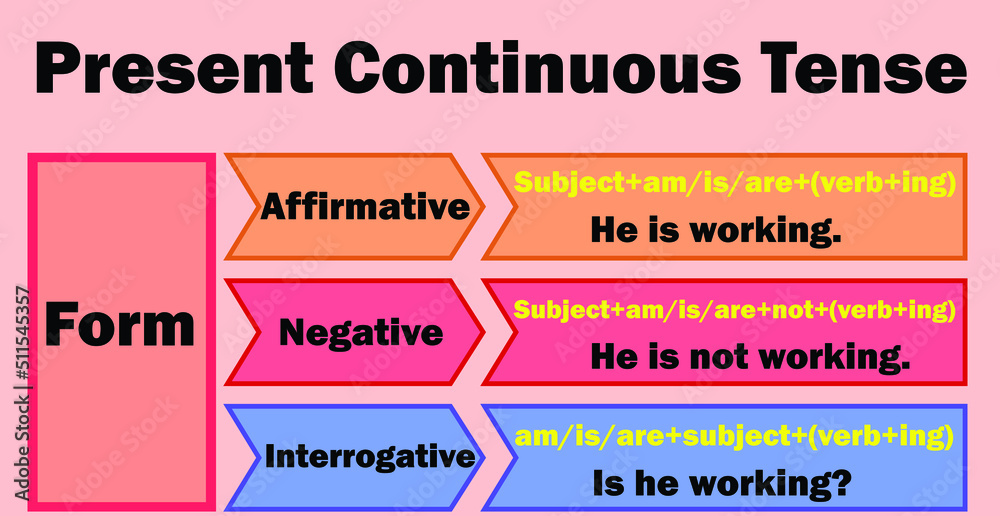
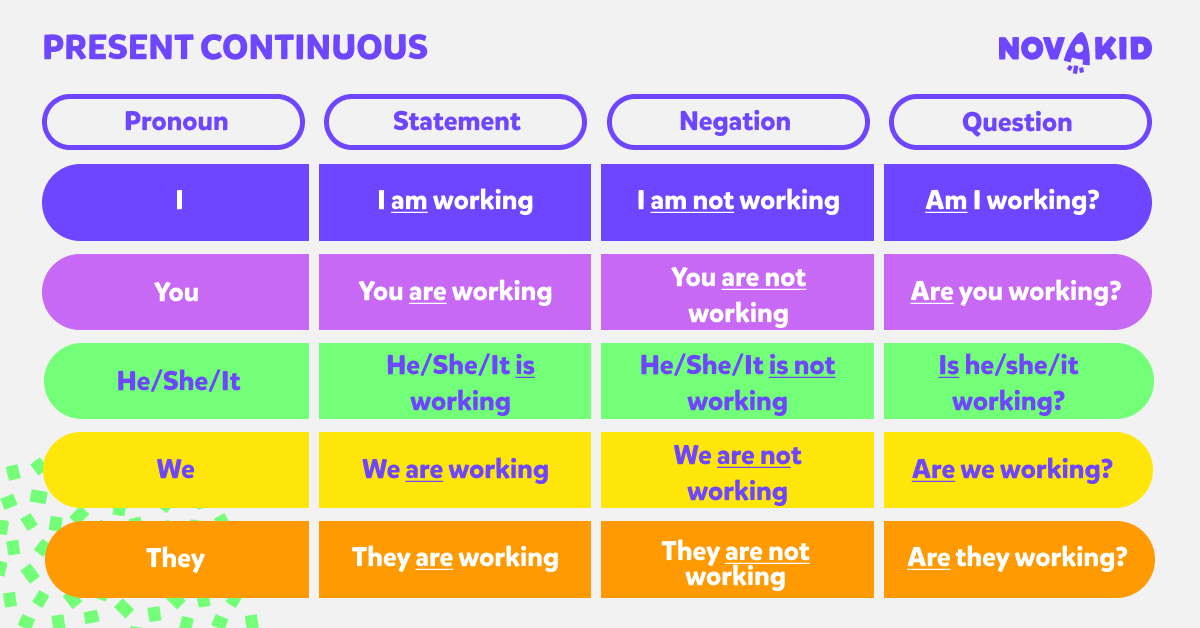
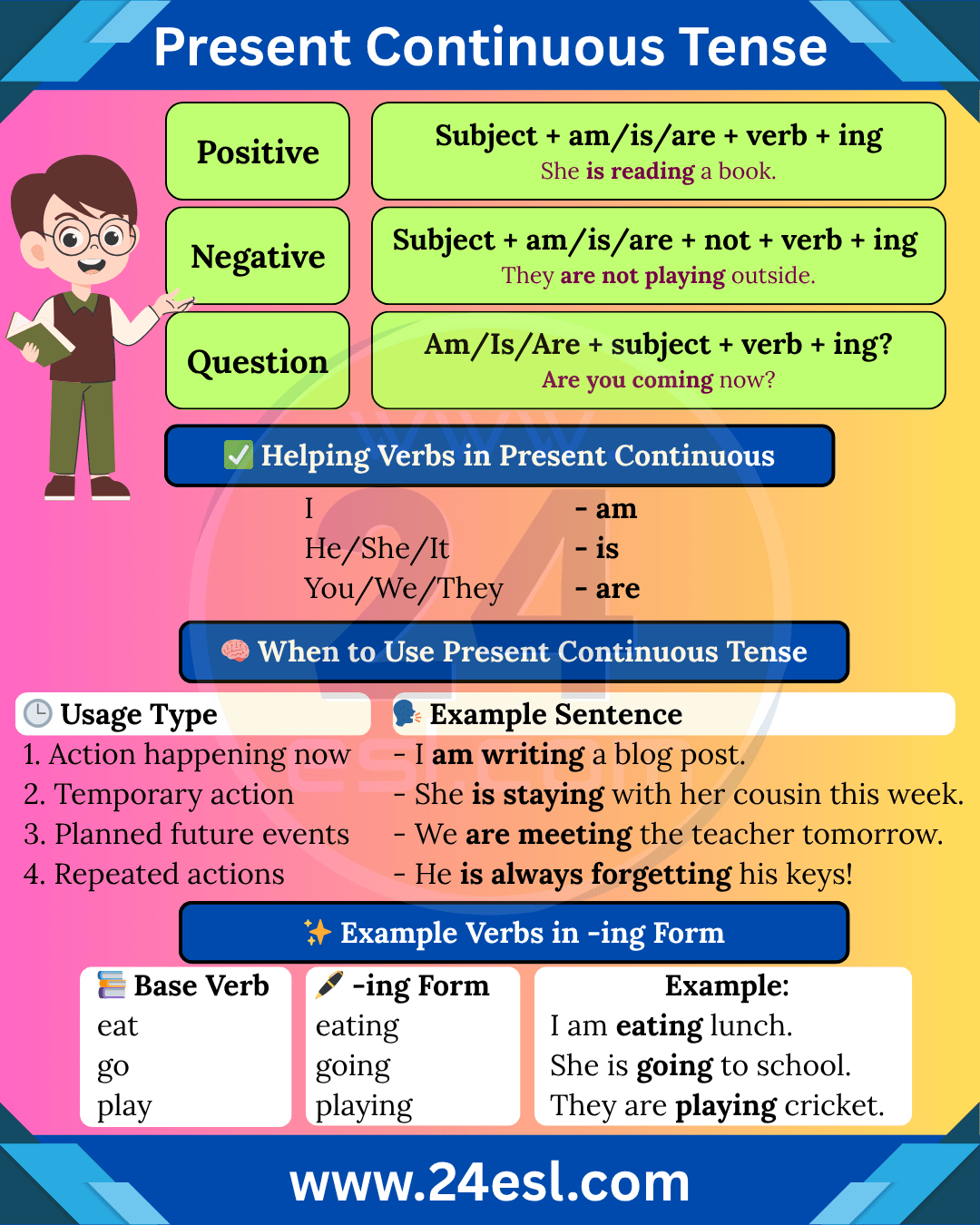
To form the present continuous, we use the present tense of the verb to be (am, is, are) followed by the main verb with an -ing ending. For example, 'I am reading', 'she is working', and 'they are playing'. The structure is regular, but you need to remember the spelling changes, such as doubling the final consonant in verbs like 'sit' to get 'sitting', or dropping the final e in verbs like 'make' to get 'making'.

Key uses of the present continuous in real life
One of the most frequent uses of this tense is to describe actions that are happening at this very moment. When you see someone cooking in the kitchen or hear noise from the street, you can say 'He is cooking' or 'They are making noise'. This creates a direct link between the verb and the current scene, putting the listener right into the situation.
It is also very useful for talking about temporary situations that are not permanent. For instance, you might say 'I am living with my friend while my apartment is being renovated' even if you usually live alone. This signals that the arrangement is short-term. Other common uses include describing future plans, such as 'We are meeting them for dinner tonight', and talking about trends, like 'Sales are increasing this month'.
Common time expressions that signal the present continuous
Certain adverbs and time phrases often appear in sentences with the present continuous because they emphasize the ongoing nature of the action. Words like now, at the moment, and currently are clear indicators that the action is happening right now. You might hear sentences such as 'She is working at the moment' or 'It is raining now'."}
- Right now
- At present
- These days
- Currently
These expressions act as clues for both the speaker and the listener, making the timing very clear. However, it is important not to use them with simple adverbs of frequency like always or usually, which refer to habits rather than ongoing actions. Mixing them up can create confusion about whether you are describing a routine or something in progress.
Negative and interrogative forms
To make a negative sentence in the present continuous, you simply add not after the verb to be. For example, 'I am not watching TV' or 'They are not playing football right now'. In informal speech, you can also use the contraction isn't or aren't, such as 'He isn't working' or 'We aren't going out today'. This makes the message clear while showing that the action is not happening.
Forming questions is straightforward as well. You just change the order of the subject and the verb to be. 'Are you listening?' and 'Is he coming later?' are common examples. This structure is very useful in conversations when you need to confirm information or show interest in what someone is doing at that moment. The intonation and the use of question words like what or why can further clarify the meaning.
Present continuous vs simple present: avoiding common mistakes
Learners often confuse the present continuous with the simple present tense. While the continuous form focuses on actions in progress, the simple present is for habits, general truths, and permanent situations. Saying 'She eats an apple every day' describes a habit, but 'She is eating an apple' describes what she is doing now. Mixing these tenses can change the meaning of your sentence entirely.
Another common mistake is using the continuous form with stative verbs, which describe states rather than actions. Verbs like believe, know, own, and seem are usually not used in the present continuous because they refer to conditions, not ongoing activities. Instead of saying 'I am knowing the answer', you should say 'I know the answer'. Understanding this difference helps you sound more natural and accurate.
Pronunciation and spelling tips for the present continuous
When speaking, the -ing ending is pronounced as a single sound, usually like -ing or -in depending on the verb. For example, 'running' has a strong 'ing' sound while 'walking' is softer. Paying attention to these sounds improves your rhythm and makes your speech clearer. It also helps you connect the verb smoothly with the auxiliary to be.
Spelling rules are important to keep in mind to write correctly. As mentioned earlier, verbs like 'stop' become 'stopping' with a doubled consonant, while verbs like 'live' drop the e to become 'living'. These small changes ensure that the word is easy to read and follows English conventions. Practicing these patterns regularly will make your writing and speaking more confident.
Why mastering the present continuous matters
Mastering the present continuous allows you to express yourself with precision and detail. Whether you are describing your current activities, temporary situations, or future arrangements, this tense adds clarity and immediacy to your communication. It bridges the gap between simple facts and real-time experiences, making your language more dynamic.
In conversations, emails, and even storytelling, the present continuous helps you engage your audience by creating a sense of presence and urgency. The more you practice using it in context, the more natural it will become. With time, you will find that this tense becomes a powerful tool in your everyday English.
Conclusion
The present continuous is a versatile and important tense that helps you describe ongoing actions, temporary situations, and immediate experiences with confidence and precision.
Learn English Tenses: PRESENT CONTINUOUS (PRESENT PROGRESSIVE)
Do you understand the PRESENT CONTINUOUS (PRESENT PROGRESSIVE) tense? Do you know when to use it and how to ...
