Sheriff Of Nottingham
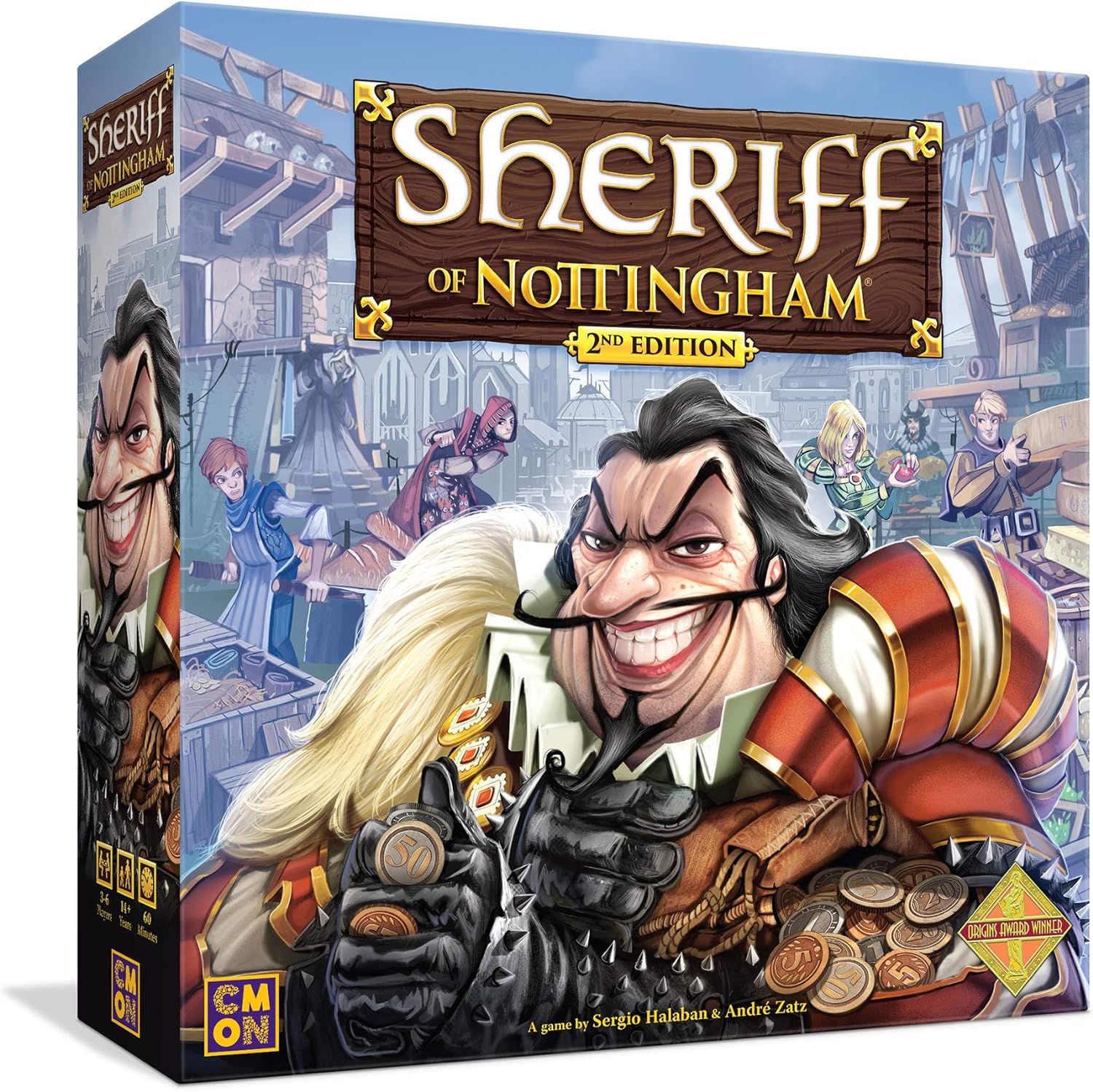
The sheriff of Nottingham is the enduring symbol of corrupt authority and lawful resistance in English legend, a character who has shaped our stories for centuries.
The Historical Origins of the Sheriff of Nottingham
The historical office of sheriff predates the legend of Robin Hood by many generations, originating as the representative of the Crown in each shire. In medieval England, the sheriff was responsible for maintaining order, collecting taxes, and executing the king's writ, making the position one of significant power and potential for abuse. While the specific character attached to Nottingham appears in later medieval literature, the role itself was very real and formed the backbone of local government. The choice of Nottingham as the setting is logical, as it was a prominent and strategically important town in the East Midlands during the period when the Robin Hood ballads emerged.
Early ballads, such as those found in the sixteenth-century collections like "A Gest of Robyn Hode," do not always name the sheriff specifically, referring only to the "high sheriff" or "sheriff of Nottingham." This historical grounding gives the legend a veneer of authenticity, blurring the line between the administrative reality of the medieval office and the fictional tyranny of the tale. The sheriff in these early stories functions less as a fully fleshed villain and more as a necessary obstacle that Robin Hood must overcome to aid the poor and uphold justice. Understanding this historical context helps us appreciate how the character evolved from a simple official into a legendary archetype.

The Evolution into the Archetypal Villain
Over time, the sheriff transformed from a generic representative of the law into the definitive villain of the Robin Hood narrative. In the earliest surviving ballads, he is often depicted as a competent, if strict, official who organizes the archery contest and pursues the outlaws with determination. However, later literary and theatrical adaptations, particularly those from the Victorian era, amplified his cruelty, greed, and cowardice. He became less a symbol of lawful authority and more a symbol of corrupt and tyrannical power, a stark contrast to the righteous rebellion of the Merry Men.
This evolution solidified the sheriff as the primary antagonist, embodying the oppression that the legendary outlaw fights against. Plays, novels, and later films expanded his character, giving him personal motivations beyond simple duty, such as protecting his status or engaging in personal vendettas. The enduring appeal of this archetype lies in its simplicity and universality; he represents the abuse of institutional power, making him a timeless and easily recognizable figure of antagonism. His presence is essential to the conflict, providing the necessary challenge that allows Robin Hood's heroism to shine.
The Sheriff in Popular Culture and Adaptations
The character of the sheriff has proven remarkably adaptable, shifting in personality and prominence depending on the era and medium. In classic Disney's 1973 animated film, he is portrayed as a cowardly and bumbling figure, providing comic relief while still maintaining his role as the oppressive lord of Nottingham. This depiction, while humorous, retains the core idea of him being the primary obstacle to Robin Hood's goals. Conversely, darker and more gritty adaptations often return to the character's roots as a serious and dangerous political force, emphasizing the real threat he poses to the people of the city.
Television series and modern retellings frequently explore the sheriff's backstory and motivations, attempting to humanize the archetype or provide a more nuanced view of his position. Some versions give him moments of unexpected honor or reveal the pressures of his position within a corrupt system. These interpretations demonstrate the flexibility of the character, allowing writers to use him not just as a villain, but as a complex figure through which to explore themes of power, justice, and morality. Regardless of the specific portrayal, the core function of the sheriff remains consistent: to oppose the outlaws and uphold the established order that Robin Hood seeks to challenge.
Symbolism and Thematic Role
On a symbolic level, the sheriff of Nottingham represents the tangible force of unjust authority. He is the physical manifestation of the laws and systems that oppress the common people, serving as the primary target of Robin Hood's righteous anger. His character allows the legend to explore themes of social justice, inequality, and the right to resist tyrannical rule. The conflict between the sheriff and Robin Hood is fundamentally a conflict between the law, as it is practiced, and the moral code of the hero.
The sheriff's obsession with capturing Robin Hood and his relentless taxation of the populace highlight the greed and abuse that can accompany unchecked power. He is often depicted as wealthy, living in luxury while the citizens of Nottingham suffer, which reinforces the theme of class struggle central to the Robin Hood mythos. This symbolic weight is what elevates the character beyond a simple plot device, making him an enduring figure in discussions about justice and governance. He is the necessary darkness against which the light of Robin Hood's heroism is measured.
Enduring Legacy and Cultural Impact
The legacy of the sheriff extends far beyond the forests of Sherwood, influencing how we depict authority figures in storytelling. The archetype of the corrupt or bumbling sheriff has been copied and referenced in countless other narratives, from Westerns to modern crime dramas. He serves as a blueprint for the antagonist whose power is derived from their position rather than personal malice, though the latter is often present as well. This archetype continues to resonate because it touches on universal fears of bureaucratic overreach and the misuse of power.
Even the title itself has become a byword for oppressive local authority, instantly recognizable across cultures that have adopted the Robin Hood story. The sheriff of Nottingham remains a crucial component of the legend, providing the essential conflict that drives the narrative. He is the shadow on the wall, the voice of the establishment, and the perfect foil for the man who steals from the rich to give to the poor, ensuring that the story continues to captivate audiences for generations to come.
Conclusion
From his historical roots in medieval administration to his status as a global pop culture icon, the sheriff of Nottingham has secured his place as one of the most compelling antagonists in legend. He is the embodiment of the systemic injustice that fuels the Robin Hood myth, a character that evolves with each retelling while retaining his core function as the hero's primary challenger. His enduring presence is a testament to the power of simple, clear storytelling archetypes that explore the timeless struggle between the powerful and the powerless.

How to Play Sheriff of Nottingham
It's time to make a quick profit in Sheriff of Nottingham by CMON Games! Take on the role of a merchant transporting goods into ...
