Storytelling Cubes
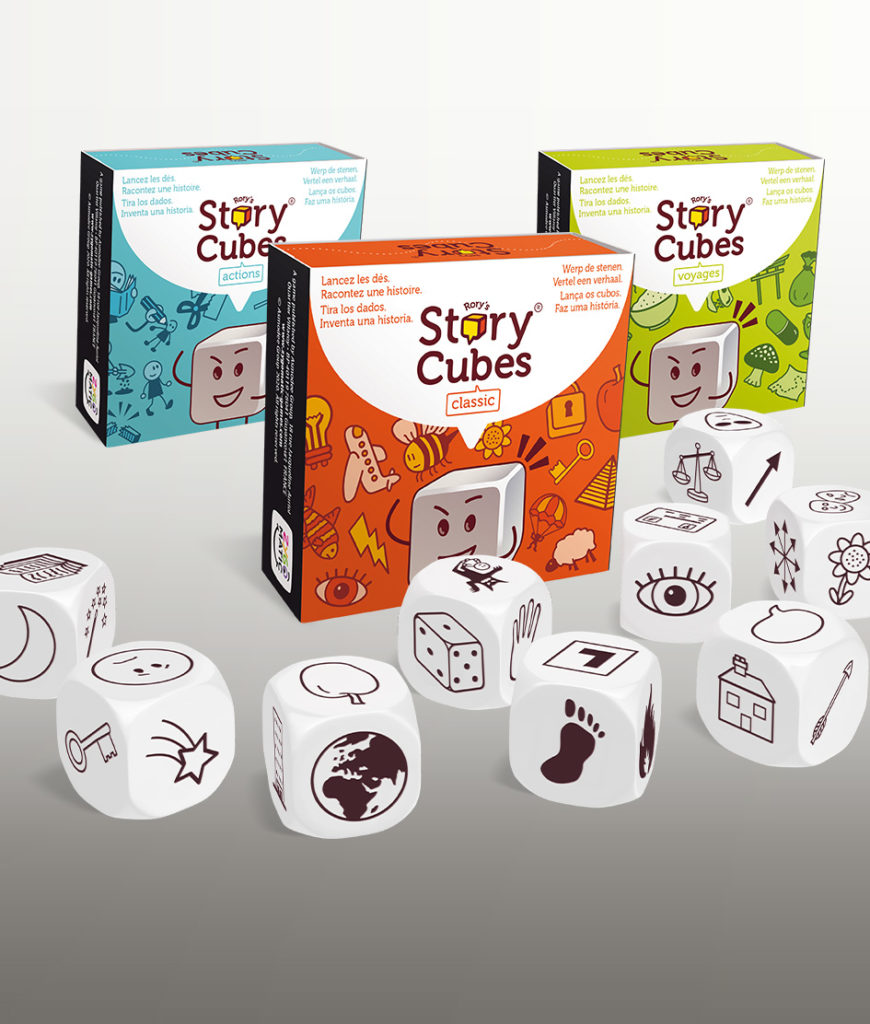
Storytelling cubes transform ordinary playtime into a structured narrative adventure, giving children and creative adults a tactile way to practice plotting, character, and setting.
What Are Storytelling Cubes and How Do They Work
Storytelling cubes are usually small, printable or craftable dice with images, words, or symbols on each face that prompt key parts of a story, such as characters, obstacles, or outcomes. Instead of numbers, you might see a dragon, a question mark, or the word “betrayal,” and each roll adds a new piece to the unfolding tale. Because the format is simple and repeatable, these cubes invite you to launch a story quickly, keep momentum high, and adapt on the fly when an unexpected image appears.
Many educators and parents favor storytelling cubes because they combine structure with flexibility, so players feel guided but not restricted. You can buy professionally designed sets, download templates to print at home, or even create your own cubes using paper, stickers, and a bit of imagination. The tactile act of rolling, turning, and interpreting the symbol helps different kinds of thinkers—visual, verbal, and kinesthetic—engage with narrative in a low-stakes, playful way.

Benefits for Language Development and Creative Writing
When children roll storytelling cubes and then explain what happens next, they practice forming complete sentences, using new vocabulary, and sequencing events in a logical order. A cube showing a mysterious key can prompt questions like “Whose key is this?” or “What door does it open,” naturally encouraging curiosity, inference, and elaboration. Over time, these short narrative bursts build confidence, reduce writer’s block, and make the writing process feel more like a game than a chore.
For older students and adult writers, storytelling cubes can sharpen specific skills, such as building conflict, developing voice, or experimenting with genre twists. By limiting the options to a few rolled images, the constraints actually free the mind to focus on craft, dialogue, and emotional arc rather than staring at a blank page. You might use one cube to decide the inciting incident, another for the turning point, and a third for the resolution, creating a compact, structured exercise that feels fresh each time you play.
How to Use Storytelling Cubes in the Classroom or at Home
In a classroom, a teacher can introduce storytelling cubes as a warm-up activity, a quick group exercise, or a center-based rotation that supports differentiated instruction. Small groups can share a single set of cubes, taking turns rolling and adding one sentence each, which models collaboration, listening, and respectful turn-taking. Because each session generates a unique story, students remain engaged, and you can easily revisit concepts like setting description, character motivation, or cause and effect by designing cubes that target those specific skills.

At home, caregivers can use storytelling cubes to create bedtime stories co-written with a child, turning the evening routine into an interactive ritual that values imagination and conversation. You might start with a simple prompt, like “a lost robot,” and then let the cubes decide whether the robot finds friends, faces danger, or discovers a surprising talent. Keeping a notebook of rolled stories also gives you a portfolio of ideas that can later grow into longer projects, comics, or even family zines.
Designing Your Own Storytelling Cubes for Maximum Impact
To get the most out of storytelling cubes, tailor the images and words to your audience’s interests, language level, and cultural context. Younger children may respond well to concrete nouns and familiar settings, while teens and adults might enjoy abstract concepts, moral dilemmas, or genre-specific prompts like “heist,” “portal,” or “forgotten oath.” You can theme a set around a favorite book, historical period, or personal memory, which deepens engagement and makes the activity feel bespoke.
Physically, you can craft cubes from paper templates, wooden blocks, or repurposed dice, and then decorate them with drawings, photos, or printed icons. Consider adding a blank face to let players invent their own symbol, or include a “wild” symbol that can represent almost anything, giving the game a flexible, open-ended quality. When you align the visual design with clear rules and a supportive environment, storytelling cubes become a reusable toolkit for countless stories.

Integrating Technology and Cross-Curricular Connections
Digital tools and apps can extend storytelling cubes beyond paper and dice, letting you save, remix, or share prompts with a wider community. Some platforms offer random generators, collaborative storyboards, or exportable prompts that can be projected for whole-class brainstorming, while still preserving the playful unpredictability of rolling cubes. You can even combine physical cubes with online spaces, where groups post their finished micro-stories, comment on each other’s work, and remix prompts across languages and genres.
Across the curriculum, storytelling cubes can support social studies by generating scenarios set in different cultures, science by personifying concepts like gravity or photosynthesis, and math by turning word problems into character-driven mysteries. Because the format is modular, you can adjust complexity, time limits, and group size to match diverse learners, making cubes a versatile bridge between discrete subjects and authentic, integrated projects.
Conclusion
Storytelling cubes offer a compact, flexible, and tactile way to ignite narrative thinking, strengthen language skills, and turn everyday moments into shared creative adventures.

10 Unique Ways to Use Rory's STORY CUBES! The Imagination Dice.
Which is your favorite way to use Story Cubes? Stuck in a storytelling rut? Unleash your creativity with Rory's Story Cubes!
