The Ghost In The Shell

The ghost in the shell remains one of the most thought provoking stories about consciousness, identity, and what it means to be human in a world of advanced technology.
Origins and Creation of The Ghost in the Shell
The story began as a manga created by Masamune Shirow, first serialized in the late 1980s and published as a collected graphic novel that presented a dense, cyberpunk vision of the future. This original work captured the imagination of readers with its detailed worldbuilding, philosophical questions, and striking visual design, laying the foundation for every adaptation that followed. The narrative follows Major Motoko Kusanagi, a cyberized government operative who leads a specialized counter-cyberterrorism unit known as Section 9.
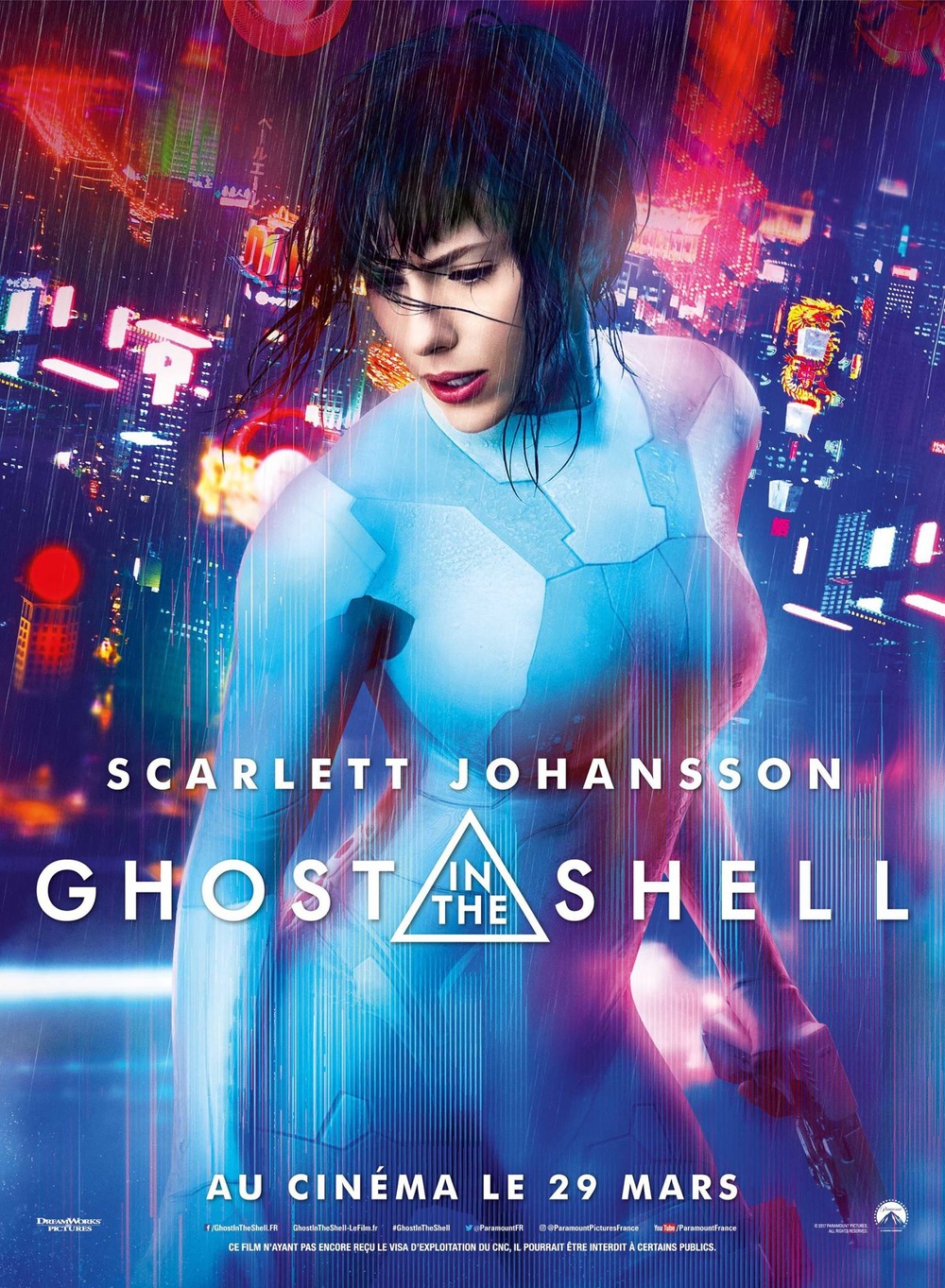
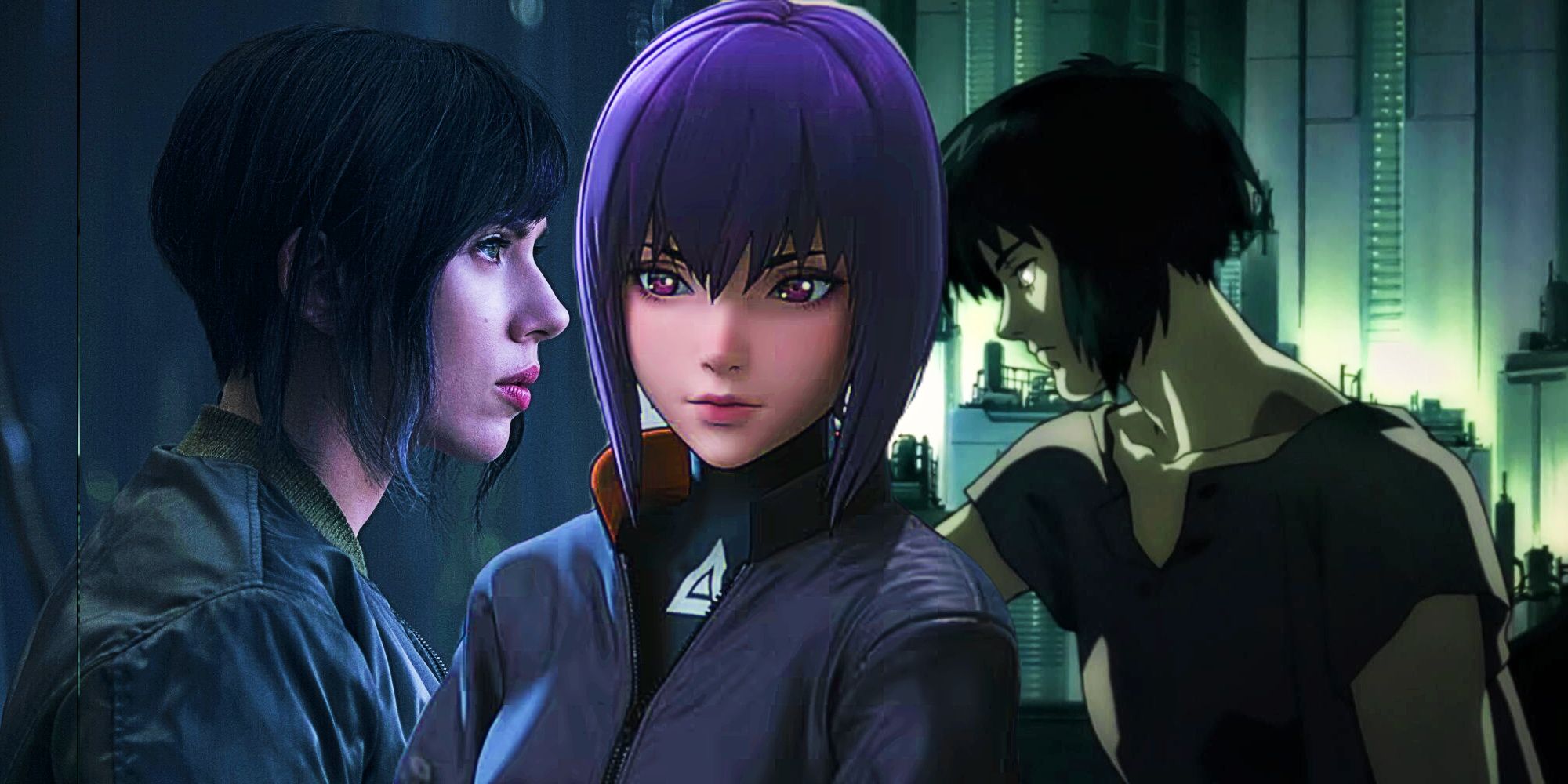
From this foundation, the franchise expanded into acclaimed anime productions, including the landmark 1995 film directed by Mamoru Oshii, which brought the story to a global audience and influenced a generation of science fiction filmmakers. Later interpretations, such as the Hollywood live action adaptation and various television projects, attempted to translate the dense themes and intricate politics of the original material into new cultural contexts. Throughout its evolution, the franchise has consistently returned to core questions about memory, agency, and the boundary between biological and artificial life.
Major Themes and Philosophical Questions
At its heart, the story explores the nature of consciousness and the search for a soul within a machine, asking whether a being made of circuits and code can possess genuine identity. The concept of a ghost, an elusive self that persists despite the replaceability of physical components, challenges viewers and readers to reconsider what defines a person beyond their body. This theme is embodied in the character of Major Kusanagi, who grapples with her own origins and the possibility that her memories may not be entirely her own.
Other recurring motifs include the tension between security and freedom, the ethics of technological enhancement, and the ways in which systems of power manipulate information. The narrative often portrays a society where surveillance is omnipresent and individual autonomy is constantly threatened by both human institutions and artificial intelligences. These concerns resonate strongly in an era of data mining, biometric tracking, and algorithmic decision making, making the story feel increasingly relevant over time.
Iconic Characters and Their Roles
Major Motoko Kusanagi stands as one of the most recognizable heroines in science fiction, combining physical prowess with introspection and a deep curiosity about her own existence. Her journey through the series reflects a continual redefinition of self, as she accepts enhancements yet questions the authenticity of her emotions and memories. Supporting characters such as Batou, Togusa, and the enigmatic Aramaki provide contrasting perspectives on humanity, loyalty, and the cost of operating within a complex bureaucratic machine.
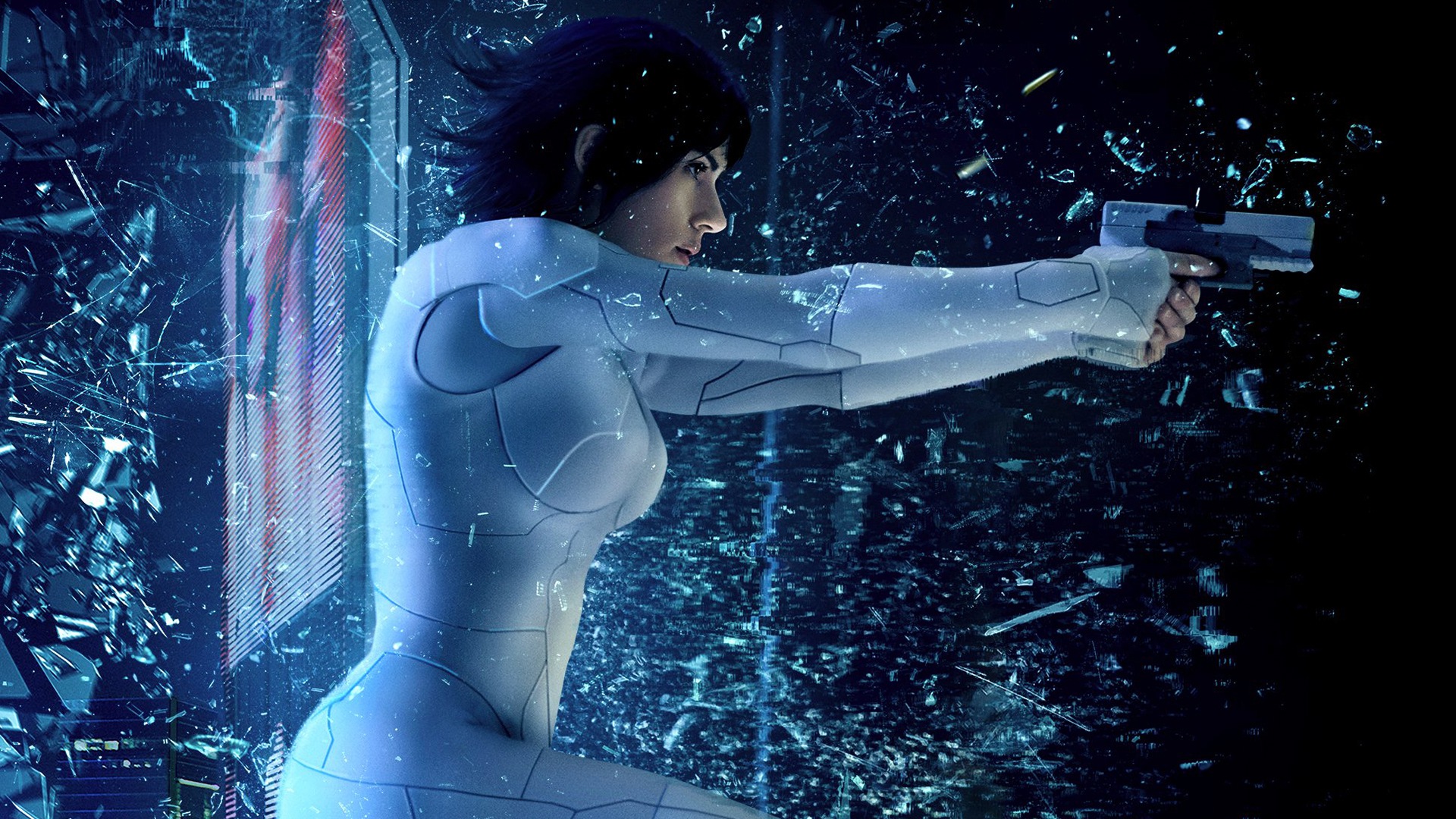
Artificial intelligences and hackers also play crucial roles, often serving as mirrors that reflect the fears and aspirations of the human characters. The fluid boundaries between human and machine are further blurred by the presence of full-body prosthetics, brain uploads, and experimental military projects. This rich cast allows the franchise to examine not only individual identity but also the evolving relationships between people and the technologies they create.
Visual Style and Cyberpunk Aesthetics
The visual design of the series is instantly recognizable, blending sleek cybernetic bodies with rain soaked cityscapes, neon signage, and cluttered digital interfaces. This aesthetic, rooted in classic cyberpunk traditions, emphasizes a future where advanced technology coexists with urban decay and social inequality. The contrast between high tech environments and gritty, lived in spaces reinforces the sense of a world that has advanced unevenly, leaving some individuals behind.
Animation, particularly in the landmark film and subsequent television series, uses detailed mecha designs, fluid combat sequences, and imaginative representations of cyberspace to immerse the audience in its vision of the future. These sequences often blur the line between reality and simulation, inviting viewers to question what they are seeing and how much of it is constructed by the characters’ perceptions. The result is a style that feels both futuristic and intimately connected to the anxieties of its time.
Influence on Popular Culture and Technology
References to the ghost in the shell appear in unexpected places, from music and fashion to software interfaces and discussions about artificial intelligence. The franchise has inspired creators working in film, television, games, and literature, establishing narrative and visual templates that continue to be emulated. Its exploration of mind uploading, neural interfaces, and digital immortality anticipated conversations that are now central to contemporary science and speculative fiction.
Technologists and researchers have also acknowledged the series as a source of creative inspiration, particularly in the fields of robotics, cybersecurity, and human computer interaction. By presenting a world where the line between user and system is porous, the story encourages audiences to think critically about the direction of technological development and the responsibilities that accompany innovation. This cultural impact ensures that the narrative remains relevant as new generations encounter its ideas through fresh adaptations and reinterpretations.
Enduring Relevance and Conclusion
As new platforms, political landscapes, and scientific breakthroughs emerge, the ghost in the shell continues to offer a framework for examining how technology reshapes personal identity, memory, and community. Its willingness to pose difficult questions without easy answers invites ongoing reflection rather than passive consumption. The series endures not only because of its striking imagery and compelling action, but because it speaks directly to the uncertainties of living in an increasingly connected and mediated world.

In the end, the franchise reminds us that the search for self is as complex and evolving as the technologies we create. Whether experienced through the pages of a manga, the frames of an animated film, or the storytelling of later adaptations, its exploration of consciousness, power, and transformation continues to resonate. For audiences who engage with its layered storytelling, the ghost in the shell offers both a thrilling cyberpunk adventure and a profound meditation on what it means to be alive.
THE GHOST IN THE SHELL|Scheduled for July 2026
The legendary cyberpunk saga returns. All-New TV Series "THE GHOST IN THE SHELL" Premieres July 2026 TV Animation “THE GHOST ...
