This That These Those
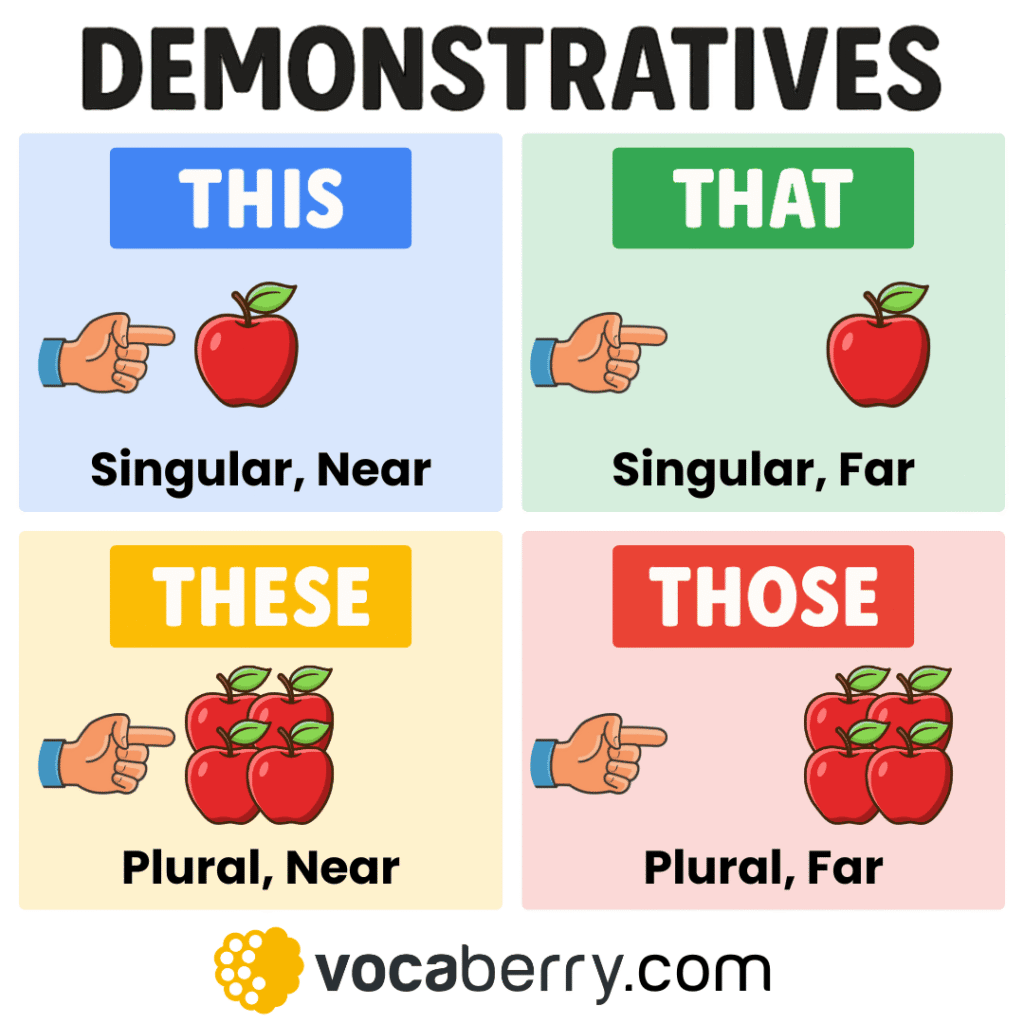
Understanding how to use this, that, these, and those is one of the first building blocks for speaking and writing clear English.
The Core Difference Between This and That
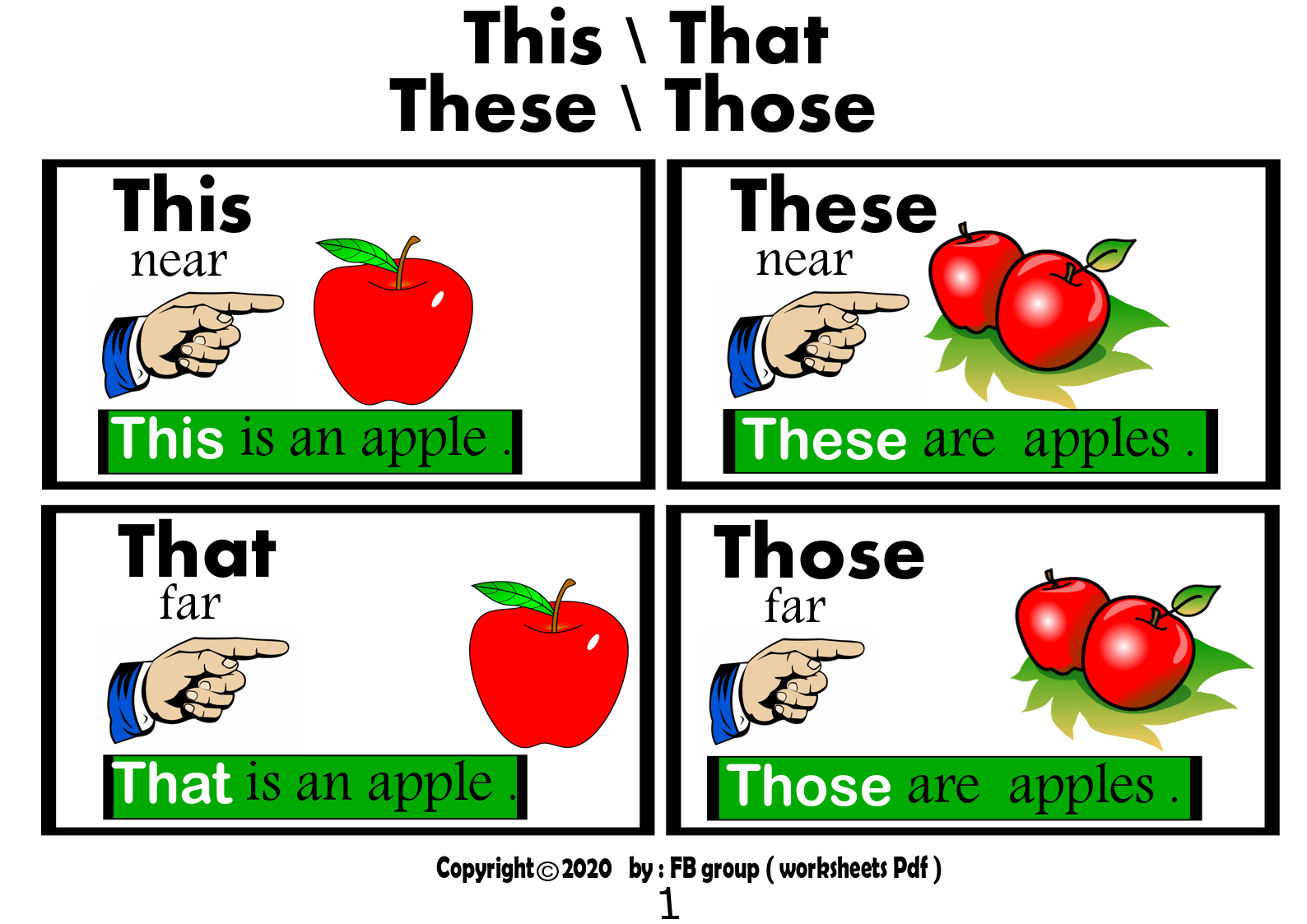
This and that are both singular determiners and pronouns used to point to a single noun, but they signal distance, both physical and psychological. You use this for things that are near you in space or time, creating a sense of closeness or immediacy. For example, you might say this coffee is hot while you are holding the cup, or refer to this week when talking about the current days. In contrast, that is for things that are farther away, either literally across the room or figuratively in the past or future. You would point to that building on the hill or refer to that meeting from yesterday as something removed from the present moment.
The distinction becomes clear when you consider time and emotional proximity. This often implies something is fresh, upcoming, or relevant to the current discussion, like this project or this morning. That, however, is used for what is completed, remote, or slightly detached, such as that story from last year or the goal that we set last month. Grasping the spatial and temporal separation between these two words helps you choose the right one to convey exactly how near or far the noun is from the speaker.
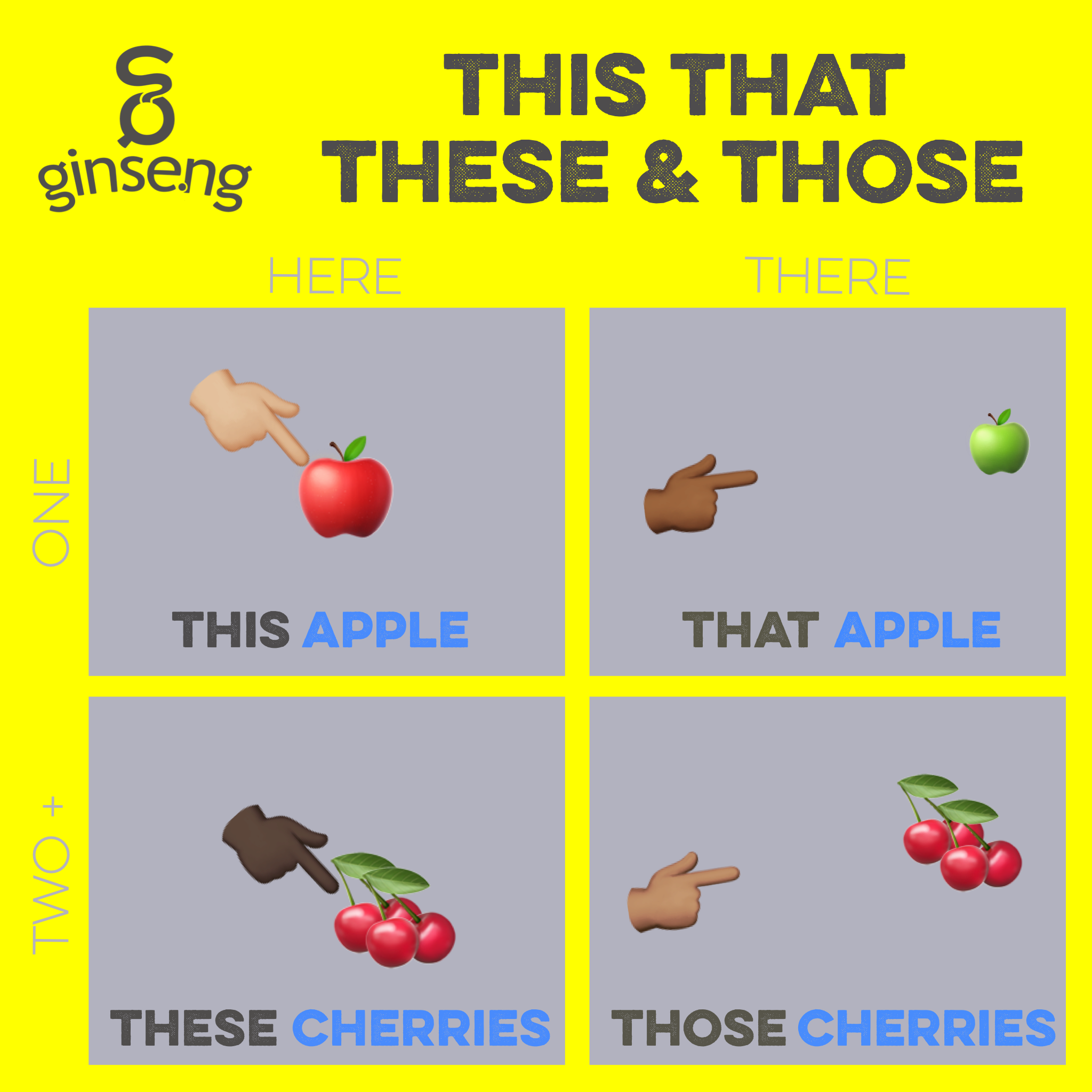
Using These and Those for Plural Nouns
Just as this and that handle singular items, the words these and those serve the same grammatical function but for plural nouns. Use these to refer to people or things that are close to you, whether that closeness is physical, temporal, or conversational. You might say these books on the table or these ideas we are discussing now, indicating that the items are immediately relevant. Those, on the other hand, point to plural nouns that are farther away, such as those files in the archive or those options we considered but rejected.
In everyday conversation, the choice between these and those often depends on the listener’s perspective and the context of the situation. If you are holding two phones and talking to a friend across the table, the one in your hand is this phone while the one on the table is that phone. When you set the phones down, they become these phones in your hand and those phones on the table. This simple shift from singular to plural forms maintains the same logic of proximity, helping your listener visualize exactly which items you mean without needing to see them.
Practical Examples in Everyday Situations
To solidify the rules, it helps to look at concrete examples. Imagine you are in a kitchen with a fruit bowl on the counter. You can grab this apple to eat right now, but you will leave that orange in the bowl for later. If the bowl is full, you might decide to take these apples for a pie and leave those bananas on the shelf. Each choice clearly shows how proximity guides the selection of the correct word.
These distinctions are not just grammatical details; they are essential for avoiding confusion in instructions and storytelling. If a colleague says, Send me the report, the lack of a pointer word leaves you unsure which report. However, if they say, Send me this report, they are indicating a document in front of them, while Send me that report suggests it is on their desk or in a different folder. Similarly, in a meeting, saying We should analyze these figures implies the data is current, whereas We should analyze those figures hints at historical or comparative data.
Common Mistakes and How to Avoid Them
Learners often mix up this and that or these and those, especially when speaking quickly or when the physical distance is not obvious. One common error is using that for something close when the context demands this, as in saying I like that coffee while handing someone a cup. To correct this, focus on the immediacy of the object in the moment of speaking. If the noun is the very thing you are interacting with, it is almost always this or these.
Another frequent mistake involves time references. People sometimes say in that week when they mean the current one. Since the present week feels immediate, the correct choice is in this week or more naturally, this week. Conversely, for weeks that have passed or are yet to come, that is appropriate, as in the weather that week or the plans that next week. Being mindful of whether a noun or time period is psychologically close or distant will help you select the right demonstrative and sound more natural.

The Role of Context in Choosing the Right Word
While physical distance is the most straightforward guide, context often plays a bigger role than geography. In a conversation about abstract ideas, this can refer to a concept that is currently at the forefront of the discussion, such as this theory or this problem. Meanwhile, that might refer to an idea mentioned earlier or one that is more speculative, like that conclusion or that assumption. The same logic applies to these and those, where these might describe a set of current challenges, and those might describe past experiences or future possibilities.
Understanding the nuance of these words allows you to add subtlety to your communication. You can use them to signal whether you are endorsing, distancing, or simply clarifying what you mean. For instance, saying I agree with these points shows alignment and inclusion, while saying I agree with those points might imply that the points were made earlier and you are evaluating them from a slight remove. Mastering this that these those gives you precise control over how you frame nouns, making your speech and writing clearer and more engaging for your audience.
Conclusion
Mastering the use of this, that, these, and those transforms the way you direct attention and clarify meaning in your language. By consistently applying the logic of proximity, you can eliminate ambiguity and guide your listener or reader with precision. Whether you are pointing to an object in your hand or referencing an event from the past, these simple words carry powerful implications for nearness, relevance, and perspective.
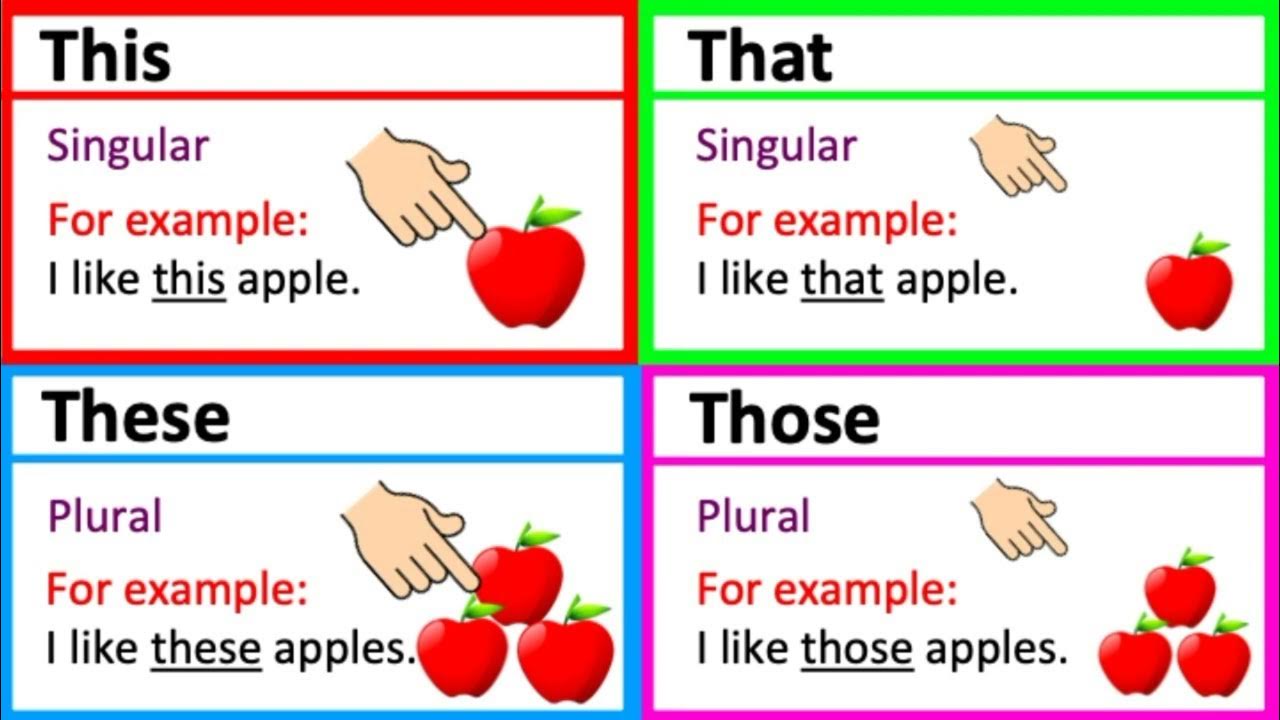
This That These Those Song | Demonstratives
This That These Those Song | Demonstratives | Learn English Grammar for Kids Sing along and learn the difference between ...
