Unconscious Mind

Understanding the unconscious mind reveals how hidden beliefs, memories, and desires quietly shape your daily choices, emotions, and long term patterns.
What Is the Unconscious Mind
The unconscious mind refers to mental processes that happen outside of immediate awareness yet still influence perception, motivation, and behavior. Unlike the conscious mind, which you can deliberately direct, this deeper layer operates automatically, storing memories, habits, and emotional reactions that surface without you realizing their origin. Many thoughts, feelings, and impulses remain buried here because they are painful, repetitive, or simply no longer needed for active attention.
From a practical standpoint, you do not need to fully explain every mechanism to notice its effects in everyday life. Dreams, sudden urges, unexplained reactions, and persistent habits often point to activity beneath the surface of awareness. By learning to recognize these signals, you can work with the unconscious mind instead of being passively steered by it.
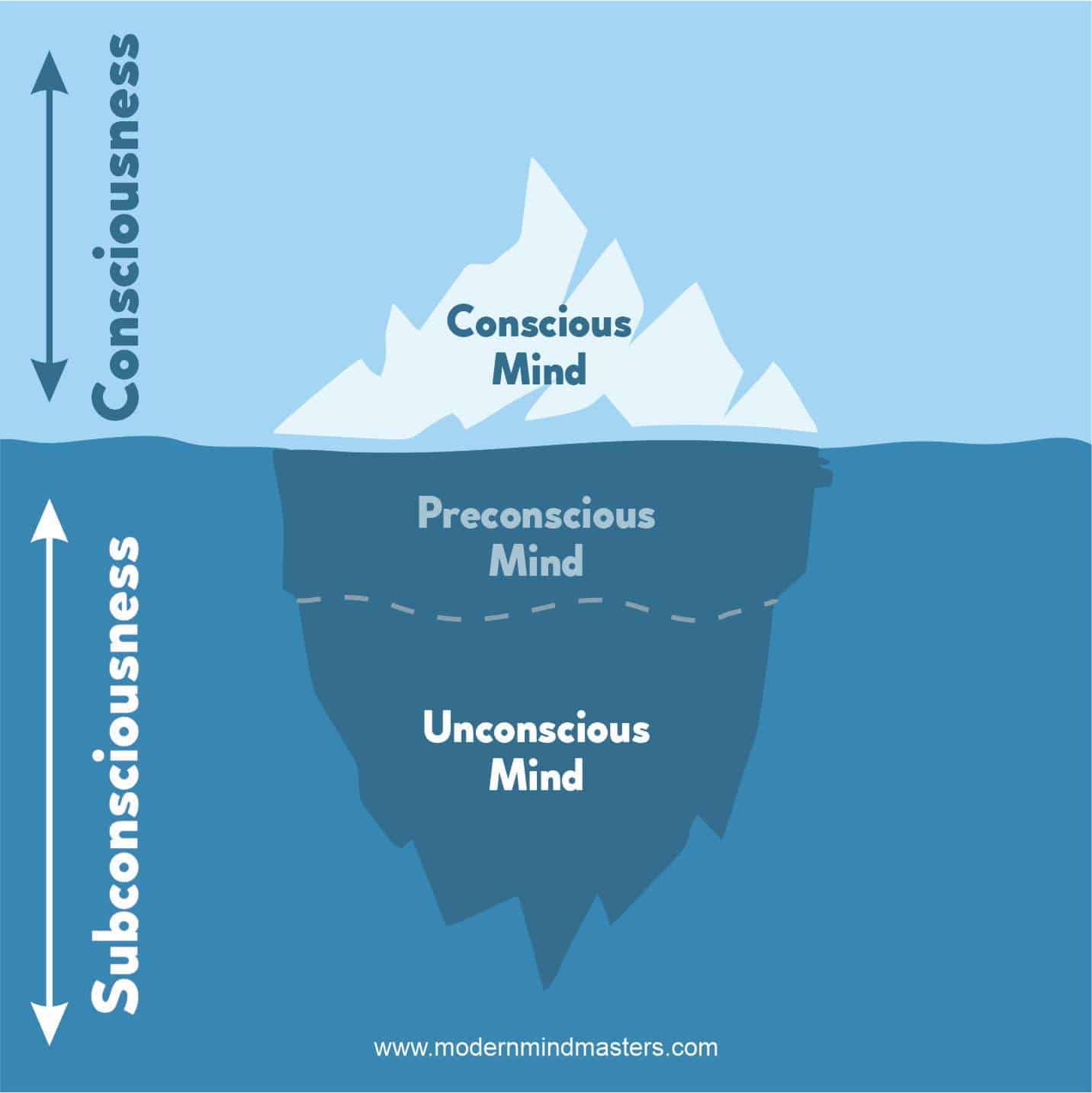
How the Unconscious Stores Memories and Experiences
Not everything you experience makes it into conscious recall, yet those moments still shape expectations, fears, and desires. Sensory details, emotional tones, and fragmented images can remain encoded in this hidden part of the mind, ready to influence future responses even when you do not consciously remember the original event. Early relationships, significant successes, and moments of embarrassment often leave strong imprints that quietly guide your current behavior.
Because these memories are not always accessible, they can create patterns that feel like fate or fixed personality traits rather than learned reactions. You might notice, for example, that certain tones of voice or specific environments trigger discomfort without knowing why. Understanding how the unconscious mind archives these experiences helps you question automatic patterns and update them with more supportive perspectives.
The Role of Emotion and Belief in the Unconscious
Emotions often act as a doorway into the unconscious, because feelings are encoded alongside the stories and sensations that accompanied them in the past. Strong emotions, especially those linked to trauma or intense joy, can cause the mind to prioritize certain associations, making them more likely to influence decisions outside of awareness. Limiting beliefs about worthiness, safety, or success may quietly govern choices, while you believe you are simply following logic or preference.
/2795946-the-conscious-and-unconscious-mind-5b180a1c303713003637fa48.png)
By gently exploring these emotional patterns, you can bring more of the hidden material into conscious reflection. Techniques such as journaling, mindful observation, and supportive dialogue can reveal recurring themes that point to underlying programs. As you become aware of these mental scripts, you gain the opportunity to question, revise, and replace them with perspectives that better serve your current goals.
Influence on Habits, Decisions, and Daily Behavior
Many of the choices you make each day, from what you eat to how you handle conflict, are steered by unseen forces rather than by deliberate calculation. Habits form when repeated behaviors become automatic, allowing the unconscious mind to conserve energy for novel challenges. While this efficiency is useful, it also means that outdated responses can persist unless you intentionally bring attention to them.
Recognizing the role of these hidden drivers can transform how you approach goals and setbacks. Instead of relying solely on willpower, you can design environments and routines that align with deeper motivations stored in the unconscious. Small shifts in context, cues, and rewards can gradually reshape automatic patterns, making healthier and more thoughtful choices feel more natural over time.

Working with the Unconscious Through Therapy and Mindfulness
Therapeutic approaches such as psychoanalysis, schema work, and trauma informed therapies often focus on uncovering and reshaping material held in the unconscious mind. By creating a safe space to explore dreams, associations, and emotional triggers, these methods help you understand how past experiences continue to influence the present. This insight can reduce inner conflict and create room for more compassionate self relating.
Mindfulness and self observation practices offer a gentler, everyday way to stay connected with hidden currents of thought and feeling. Regularly checking in with your body, emotions, and impulses can reveal subtle preferences and aversions that point to deeper programs. Over time, this ongoing dialogue between awareness and the unconscious mind supports more intentional living and lasting personal change.
Integrating Unconscious Wisdom into Conscious Life
Rather than attempting to eliminate the influence of the unconscious, you can learn to collaborate with it by paying attention to symbols, emotions, and recurring themes in your inner world. Creative activities, dreams, and reflective practices often carry messages from this deeper level, offering guidance that logic alone might overlook. Treating these signals with curiosity rather than judgment allows you to access a broader range of insight.
With consistent attention and patience, you can align conscious intentions with the powerful resources of the unconscious mind. This integration supports healthier habits, more authentic relationships, and a sense of purpose that feels deeply grounded. By honoring both what you know and what you have not yet realized, you create a richer, more resilient foundation for ongoing growth.
How Your Deep Unconscious Mind Affect You (Freud's Psychoanalytic Theories Explained)
In this video, we will explore the revolutionary ideas of one of psychology's most influential figures, Sigmund Freud, and the ...
