F-4b Phantom Ii
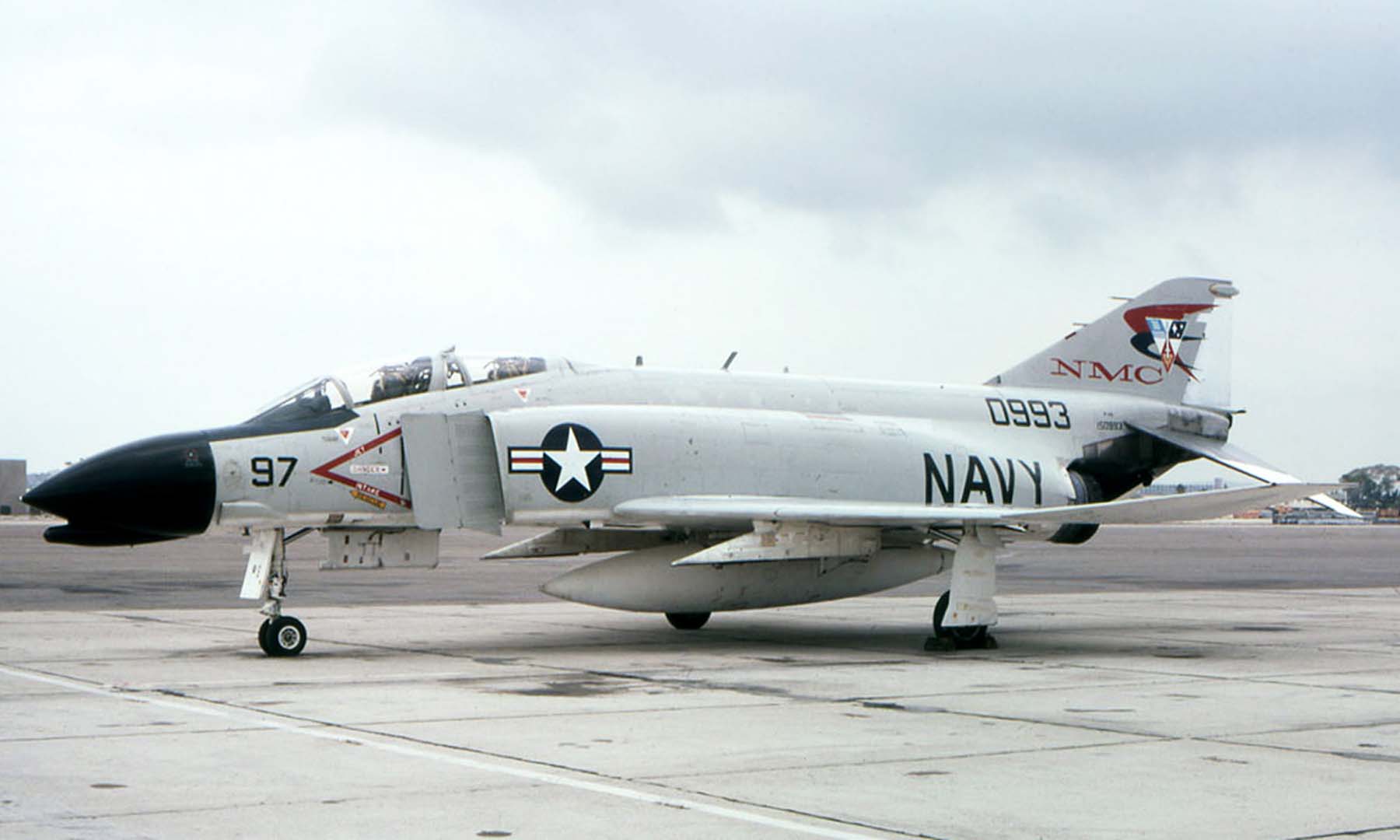
The F-4B Phantom II is a legendary twin-engine, all-weather fighter that defined naval aviation during the Cold War and remains an iconic symbol of American air power.
Birth of an Icon: The F-4B Phantom II Origins
The story of the F-4B Phantom II begins in the late 1950s, when the United States Navy sought a powerful new fleet defense fighter to counter growing Soviet air threats. Developed by McDonnell Aircraft, the F-4B was designed from the outset as a sophisticated interceptor that could operate from aircraft carriers. Its first flight in 1958 marked the arrival of a new breed of warplane that combined speed, radar capability, and heavy firepower in a single platform, quickly capturing the attention of military planners and aviation enthusiasts alike.
What set the F-4B Phantom II apart in its early days was its versatility. Initially conceived as a pure interceptor, it was soon adapted for roles ranging from close air support to reconnaissance. The aircraft's massive twin-engine layout and robust airframe gave it an unmatched ability to carry a diverse payload of missiles and bombs. This adaptability ensured that the F-4B would not just serve, but thrive, in the demanding environment of naval operations, becoming a cornerstone of the US fleet throughout the 1960s.

Design and Engineering Marvel of the F-4B Phantom II
Engineering the F-4B Phantom II was a triumph of 1950s aerodynamics and systems integration. The aircraft featured a distinctive double-delta wing configuration that provided exceptional high-speed performance and excellent lift characteristics, essential for both carrier takeoffs and high-altitude interceptions. Its twin General Electric J79 turbojet engines produced immense thrust, allowing the Phantom II to accelerate rapidly and climb to altitude with breathtaking speed that defined an era of jet performance.
The cockpit of the F-4B was a testament to its two-crew philosophy, housing a pilot and a Radar Intercept Officer (RIO) in tandem. This arrangement was crucial for managing the complex radar and weapon systems, turning the aircraft into a formidable weapons platform rather than just a fast airplane. Key systems included the powerful AN/APQ-72 radar and the ability to fire the AIM-7 Sparrow and AIM-9 Sidewinder air-to-air missiles, giving the F-4B Phantom II a significant edge in beyond-visual-range combat.
Operational History: From Vietnam to the Skies Over the Seas
The F-4B Phantom II's combat debut came during the Vietnam War, where it became the primary air superiority fighter for the US Navy, Air Force, and Marine Corps. Pilots appreciated its ruggedness and power, while RIOs played a critical role in vectoring the aircraft and managing its sophisticated radar in the hostile skies over North Vietnam. The Phantom II's success in air-to-air combat, despite early rules of engagement that initially restricted its use, cemented its reputation as a formidable dogfighter.
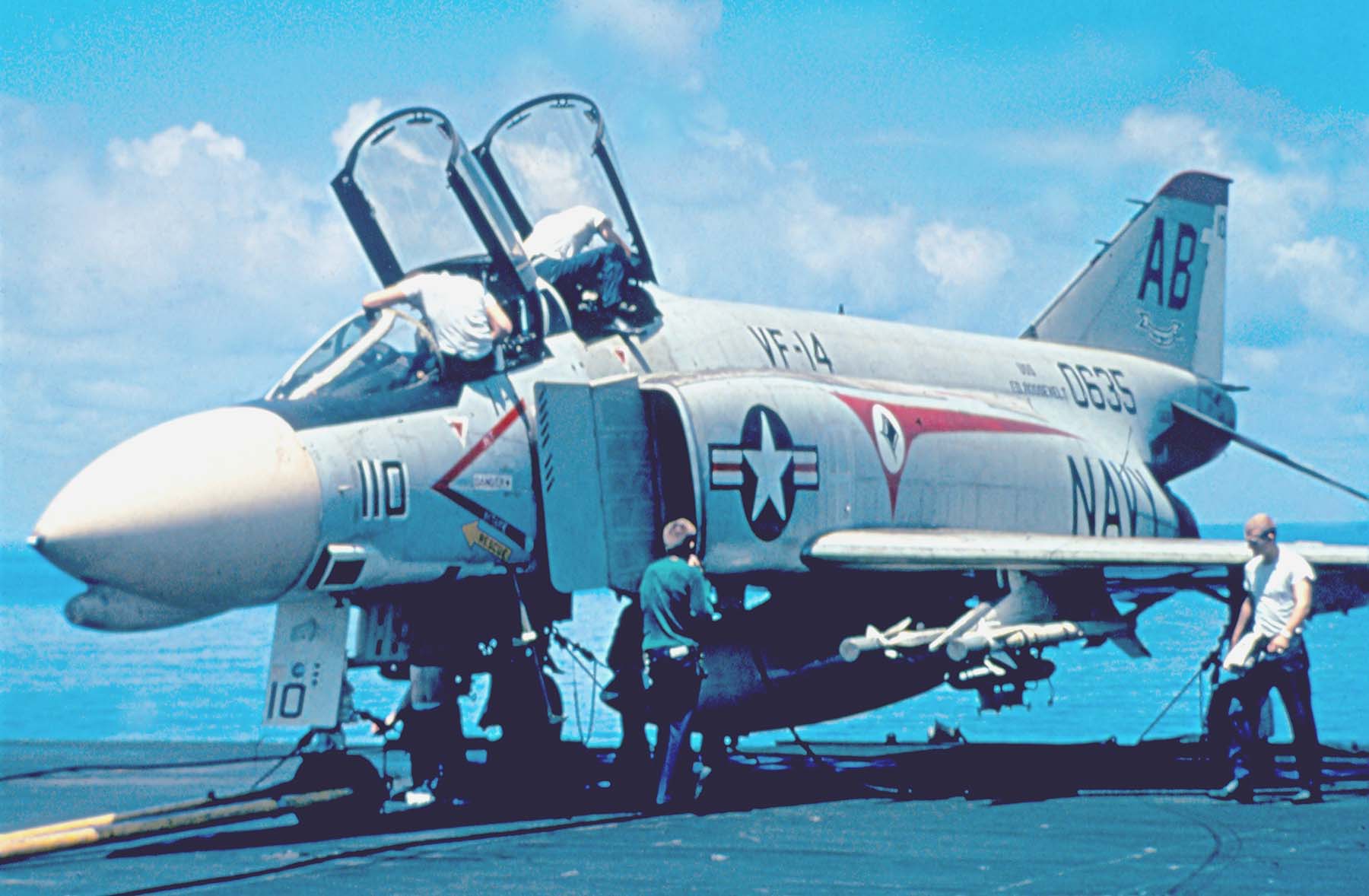
Throughout its service, the F-4B Phantom II was constantly upgraded to maintain its technological edge. Improvements in avionics, weapons systems, and structural modifications allowed it to serve in various conflicts well into the 1970s and 1980s. Its export success was equally remarkable, with allied nations around the world operating the Phantom II, further extending its legacy and proving its design's universal appeal and reliability in diverse military roles.
Enduring Legacy and Cultural Impact
Even after being retired from active US service, the F-4B Phantom II continues to captivate the imagination of aviation historians and enthusiasts. Its distinctive silhouette, with its swept wings and twin tails, is instantly recognizable in aviation museums and air shows worldwide. The aircraft represents a pivotal moment in military aviation history, bridging the gap between the jet age's early pioneers and the sophisticated multi-role fighters of today.
The Phantom II's influence extends beyond hardware; it shaped tactics, trained generations of aircrew, and became a symbol of American technological prowess. For those who flew it, the F-4B Phantom II was more than a machine—it was a demanding partner that required skill and precision. Its enduring presence in popular culture and its status as an aviation icon ensure that the legend of the Phantom II will continue to soar in the public consciousness for decades to come.
Conclusion on the F-4B Phantom II
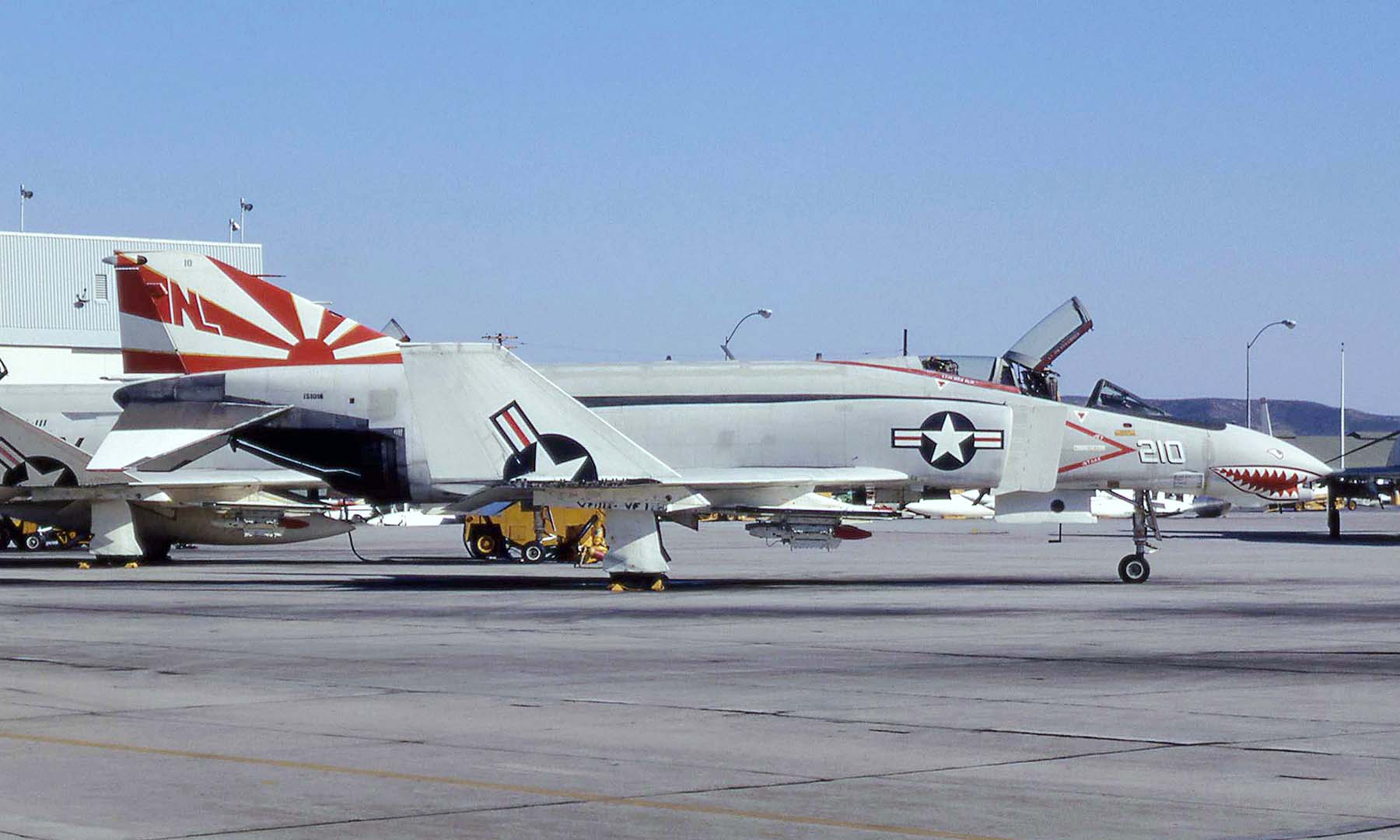
Looking back on the career of the F-4B Phantom II reveals a machine that was as revolutionary as it was reliable. It successfully met the challenges of Cold War naval defense and adapted to the brutal realities of jungle warfare in Vietnam. Its combination of speed, radar capability, and multi-role flexibility set a standard that influenced aircraft design for generations.
The F-4B Phantom II is more than a footnote in aviation history; it is a landmark achievement that pushed the boundaries of what was possible in the sky. From its thunderous takeoffs from carrier decks to its quiet retirement in museums, the Phantom II remains a powerful reminder of an era when engineering ambition knew few limits, securing its place as one of the most celebrated aircraft ever built.
Por que você precisa respeitar o caça F-4 Phantom II
Por que você precisa respeitar o caça F-4 Phantom II - O McDonnell Douglas F4 Phantom II é um caça-bombardeiro e interceptor a ...
